Retrofit guidance for first-time homeowners
Buying your first home is a big step, and retrofit terms can feel confusing fast. This page gives simple guidance so you can compare options, ask better questions, and decide what to do next without guessing.
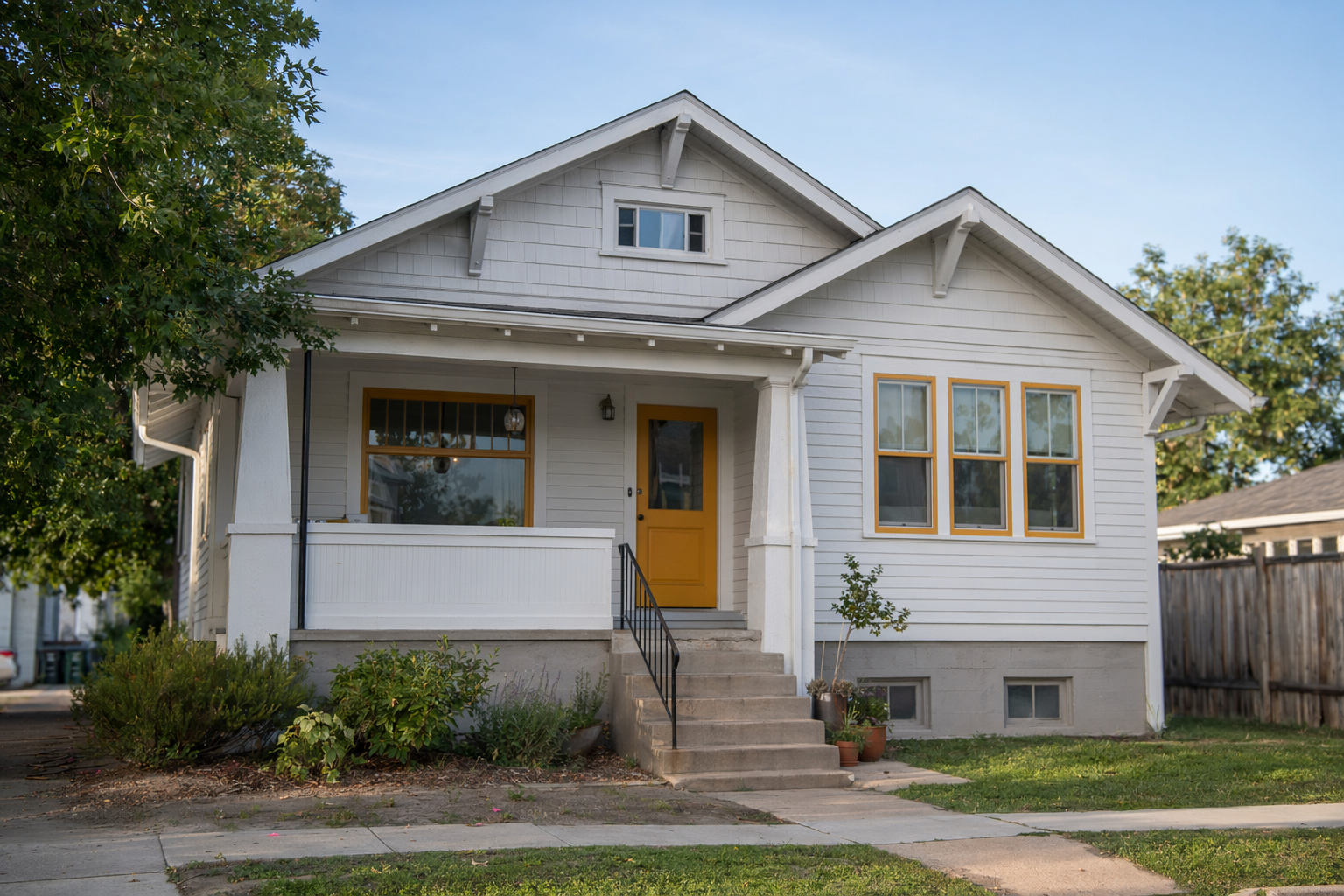
Why first-time homeowners often feel stuck on retrofit decisions
Many first-time homeowners are balancing a mortgage, repairs, insurance questions, and a long list of new responsibilities. When someone mentions seismic or storm retrofit work, it can be hard to tell what is urgent, what is optional, and what should be checked by a licensed professional.
A common problem is that the words sound technical. Terms like foundation anchoring, bracing, cripple wall strengthening, roof tie-downs, or opening protection may be new to you. That does not mean you need to become an engineer before talking to a contractor. It means you need a clear explanation in plain language and a written scope you can compare.
It is also normal to worry about overpaying or agreeing to work you do not fully understand. The safest approach is to slow down, get more than one opinion when possible, and ask each contractor to explain what they observed during the visit. If language is a barrier, you may also want to review help for Spanish-speaking homeowners or Chinese-speaking homeowners.
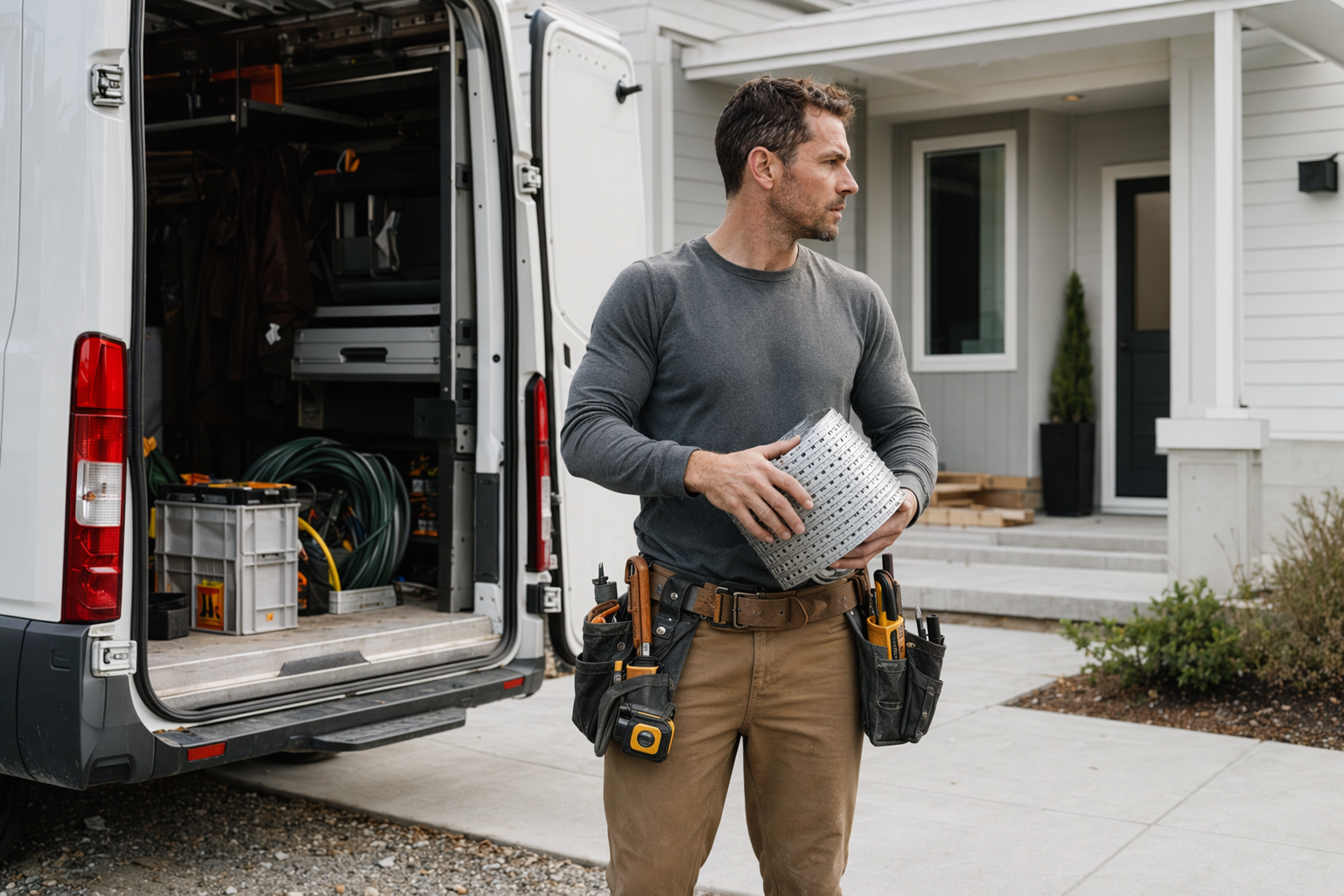
What a retrofit contractor can evaluate during a home visit
During a home visit, a licensed contractor can look at the parts of the house that may affect retrofit options. What they can confirm depends on the home, access, and the type of work they are licensed to perform. In some cases, a contractor may recommend that you also ask a licensed engineer for design or further evaluation.
A typical visit may include looking at visible foundation conditions, crawlspace access, framing connections, signs of past movement or moisture, roof attachment details, garage door openings, or other exposed areas related to quake or storm performance. The contractor can then tell you what work they propose, what they cannot confirm without opening finishes, and whether permits may be needed.
Helpful things to ask during the visit:
- What did you actually observe at my house?
- What work are you recommending, and what is the goal of that work?
- Are there options at different price levels?
- Do you think I should also ask a licensed engineer?
If you want a simpler way to start, you can get matched, free to local contractors and compare how each one explains the same home.
Common upgrade types you may hear about in quake and storm areas
The exact upgrade, if any, depends on the house. A contractor or engineer has to confirm what is appropriate after seeing the home. Still, first-time homeowners often hear the same categories mentioned in earthquake and storm regions.
In earthquake areas, common terms may include foundation bolting, bracing of short wood-framed walls in a crawlspace, hardware that improves connections between framing parts, and limited repairs to damaged or weakened areas. In storm areas, homeowners may hear about roof-to-wall connections, gable-end bracing, garage door reinforcement, wall sheathing improvements, opening protection, or anchoring for attached features.
A few important reminders:
- Not every house needs the same work.
- Older homes may have hidden conditions that change the scope.
- Cost ranges are only typical illustrative ranges, not promises.
For many homes, smaller targeted upgrades may cost less than a full major renovation, but pricing depends on access, materials, permit requirements, and local labor rates. If you are still learning the basics, browsing other homeowner areas can help you understand common concerns before you compare bids.
How to compare bids without getting overwhelmed
The easiest way to compare bids is to line them up by scope, not just by price. A lower number is not always a better deal if one bid includes permits, hardware, cleanup, and patching while another leaves those items out. Ask each contractor to put the same key details in writing.
When you review estimates, look for these points:
- A clear description of the proposed work
- Whether permits are included
- Material and hardware allowances, if any
- What happens if hidden damage is found
- Estimated start time and job duration
- Payment schedule and change-order process
- Cleanup, patching, and disposal responsibilities
It helps to make a simple comparison chart. If one contractor says a certain upgrade is needed and another does not, ask both to explain why in plain language. If the answers still conflict, that may be the right time to ask a licensed engineer for an independent opinion. You stay in control of who to hire, what scope to accept, and when to move forward.
Questions to ask about licensing, insurance, and scope of work
Before signing anything, verify the contractor's license, bond, and insurance yourself through the proper state or local sources. Also confirm that the company name on the bid matches the licensed business name. BedrockMatch can help you connect with contractors, but the homeowner should still do this final check directly.
Questions worth asking include:
- Is your license active and in the right classification for this work?
- Are you bonded and insured, including workers' compensation if required?
- Will your employees do the work, or will you use subcontractors?
- What exactly is included in this price, and what is excluded?
- What written warranty, if any, do you offer on workmanship?
Ask for the full scope in writing before you pay a deposit. Make sure the contract states the work areas, materials or hardware, permit responsibility, payment schedule, and how changes will be approved. If anything sounds vague, ask the contractor to rewrite it in simpler words before you sign.
How permits, timelines, and disruption usually work
Many retrofit projects need permits, but the rules vary by city, county, and scope. A contractor can tell you whether they expect a permit and who will handle the application. If engineering is required, that can add design time before work starts.
For a smaller project with good access, the on-site work may be fairly short. For more complex jobs, especially if repairs are found after opening up part of the structure, the timeline can stretch. Weather, inspection scheduling, material lead times, and local permit backlogs can also affect the calendar.
Disruption depends on where the work happens. Crawlspace or exterior work may be less disruptive than projects that affect walls, ceilings, roofing, or garage areas. Ask these practical questions up front:
- Will I need to move furniture or clear storage?
- Will water, power, or parking be affected?
- Will there be noise, dust, or limited access to part of the home?
- Who handles daily cleanup and final debris removal?
A good contractor should be able to give you a realistic outline, even if the exact schedule may change.
Public programs and financing options to check before you sign
Before signing a contract, check whether any public programs may help with cost. In California, some homeowners may qualify for the Earthquake Brace + Bolt grant, which can provide up to about $3,000 toward certain qualifying seismic retrofits. Some areas may also have FEMA-related hazard mitigation funding or local resilience programs. Eligibility, timing, and available funds change, so always verify current rules yourself.
If you are considering financing, read the terms carefully and compare monthly payment, total repayment, fees, and whether the rate is fixed or variable. Ask the contractor whether financing is optional and whether the cash price is different. Do not feel pressured to sign the same day just because a promotion is ending.
A simple checklist before you commit:
- Compare at least two written scopes if possible.
- Check grants or mitigation programs before paying a deposit.
- Verify license, bond, and insurance directly.
- Confirm permit responsibility and timeline in writing.
- Keep copies of the contract, payment receipts, and approved changes.
If you want introductions to local contractors while keeping the choice in your hands, you can get matched, free.
Always verify a contractor's license, bond, and insurance, and confirm the scope and price in writing before any work starts.