Help for Homeowners With Older Raised Foundation Homes
Older raised foundation homes can be good candidates for seismic or storm-related upgrades, but the right work depends on how the house was built and what a licensed professional sees on site. This page explains what homeowners often notice, what contractors commonly check, and how to compare options without pressure.
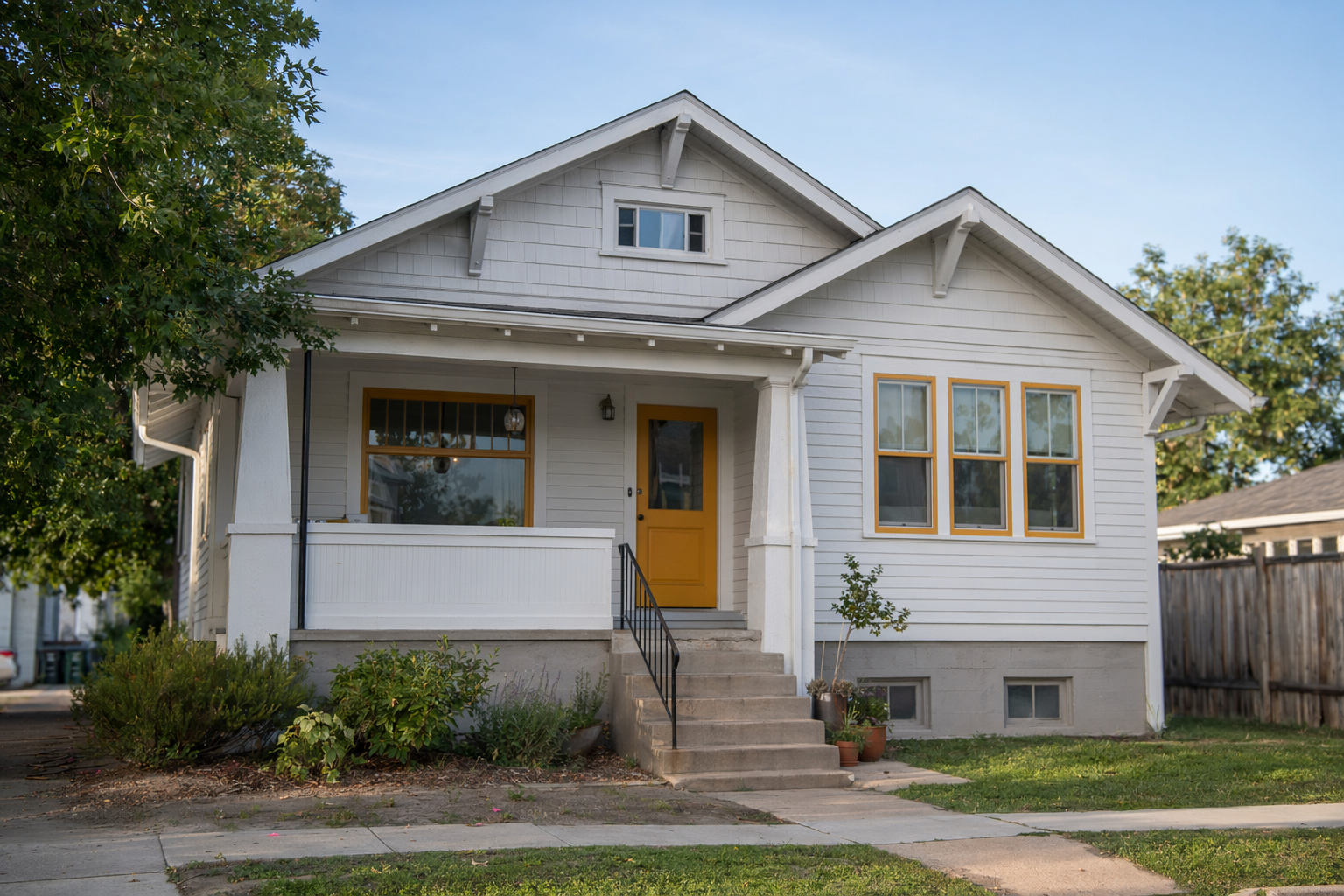
Why older raised foundation homes get extra attention
Many older homes with a raised foundation were built before current fastening and bracing practices became common. In some houses, the wood framing, cripple walls, posts, piers, or connections between the house and foundation may be limited compared with newer construction. That does not mean every older home needs the same work. It means a contractor or licensed engineer may want a closer look.
Raised foundations also make the under-floor area easier to inspect than a slab home. That can help a contractor see how the home is supported, whether there is visible movement or moisture damage, and whether access is practical for repairs.
Homeowners often come to this page after comparing different property types in our area guides. If your home also has unusual features such as living space over a garage, that can change what a contractor focuses on during the visit.

Common signs homeowners notice before calling a contractor
Most people do not call because they know a technical term. They call because something feels off, or because they are planning other work and want to understand the foundation first.
Common signs homeowners mention include:
- Floors that feel uneven, sloped, or bouncy in one area
- Cracks in interior wall finishes, especially around doors or windows
- Doors or windows that stick more than they used to
- Gaps near baseboards, trim, or between parts of the house
- Moisture, musty smells, or damaged wood visible in the crawl space
- Older posts, piers, or braces that look improvised or patched
These signs can have more than one cause. Some are related to settling, moisture, past repairs, or age, and some may have little to do with seismic or storm retrofit needs. A contractor can inspect the accessible areas and explain what they see, and a licensed engineer can give design guidance if needed.
What a contractor may look at during an on-site visit
During an on-site visit, a contractor will usually start with the basics: how the house is supported, how the framing connects to the foundation, and whether the crawl space is accessible enough to work in. They may also look for visible damage, rot, rust, past modifications, and signs that water has affected the structure.
A typical visit may include checking:
- Whether the mudsill appears connected to the foundation and how
- Whether there are short stud walls, often called cripple walls, that may need bracing
- The condition of posts, piers, beams, and any added supports
- Access, clearance, and whether utilities or ductwork affect the work area
- Whether drainage or moisture conditions may need attention first
If your house is in a coastal or high-wind area, a contractor may also discuss whether storm-related fastening or opening protection is relevant to your situation. Homeowners in exposed locations sometimes also review coastal and hurricane zone homes before getting estimates.
The visit should end with a clear explanation in plain language. Ask the contractor to show you photos, point out the areas they are concerned about, and explain what is repair, what is upgrade work, and what would require engineering or permits.
Retrofit options you may hear about
The exact scope depends on the house, but older raised foundation homes are often evaluated for improvements that help the structure act more as one connected system. A contractor may talk about upgrades such as foundation bolting, adding plywood bracing at short walls, strengthening connections, or replacing damaged wood members.
You may also hear about work to improve posts and piers, add hardware at key connections, or separate repair work from hazard-mitigation work. In some homes, moisture control, drainage fixes, or access improvements need to happen before or along with structural work.
A few reminders help keep estimates clear:
- Repair and retrofit are not always the same thing
- Not every visible crack or uneven floor means the same upgrade is needed
- Only a licensed contractor or engineer who has seen the property can confirm the right scope
If a contractor recommends a larger package, ask them to break the proposal into parts so you can understand what is essential now, what is optional, and what may depend on permit or engineering review.
How costs, timelines, and access can vary
Costs for older raised foundation homes vary a lot because access and existing conditions matter. A straightforward brace-and-bolt style scope in an accessible crawl space may fall in a typical illustrative range of a few thousand dollars, while broader repair plus retrofit work can be much higher. Homes with tight crawl spaces, moisture damage, old patchwork repairs, limited clearance, or utility conflicts often cost more.
Timeline varies too. Some jobs are completed in a few days once scheduled, while others take longer because of permit review, engineering, material lead times, or related repair work discovered after opening access. If your home has features like a soft first story or living space over parking, that may change the scope and schedule compared with a simple perimeter crawl space.
Ask each bidder to explain:
- What is included in the base price
- What conditions could change the price after work starts
- Whether permits or engineering are included or separate
- How the crew will access the crawl space and protect the home
Written estimates are important. The homeowner keeps control over who to hire, what scope to approve, and when to proceed. You can get matched, free to compare local contractors, then verify each company's license, bond, and insurance yourself.
Questions to ask before you choose a contractor
A good contractor should be willing to explain the work in simple terms and put the scope in writing. You do not need to know construction jargon to ask useful questions.
Here are practical questions to ask:
- What did you observe on site, and can you show me photos?
- Which items are repair, and which items are retrofit or upgrade work?
- Do you recommend engineering for any part of this job?
- Will permits be needed, and who handles them?
- What assumptions are built into this estimate?
- What could change the price later?
- What is the expected schedule from contract to completion?
- What warranty, if any, applies to workmanship or materials?
It is also reasonable to ask how often the crew works on older raised foundation homes like yours. Compare bids based on the written scope, not just the lowest number. A lower price may leave out access work, wood repair, hardware, cleanup, or permit-related tasks.
Programs and incentives worth checking
Depending on where you live and the type of work proposed, there may be public programs that help with part of the cost. In California, some homeowners may qualify for the Earthquake Brace + Bolt program, which can provide up to about $3,000 toward eligible seismic retrofit work. FEMA-related hazard-mitigation funding may also be available in some areas from time to time.
These programs have rules, funding limits, and eligibility requirements, and not every home or project qualifies. It is best to check current program details directly and ask the contractor whether they are familiar with the application or documentation process.
If you are just starting, gather photos, basic home information, and any prior repair records before requesting bids. That can make the first conversations more useful and help you compare contractors on the same scope.
Always verify a contractor's license, bond, and insurance, and confirm the scope and price in writing before any work starts.