Find retrofit contractors for coastal and hurricane-zone homes
Coastal wind, heavy rain, and hurricane exposure can put different stresses on a home than a typical inland property. If you want local help, BedrockMatch can connect you, free, with vetted contractors who work on retrofit and hardening projects in coastal and storm-prone areas.
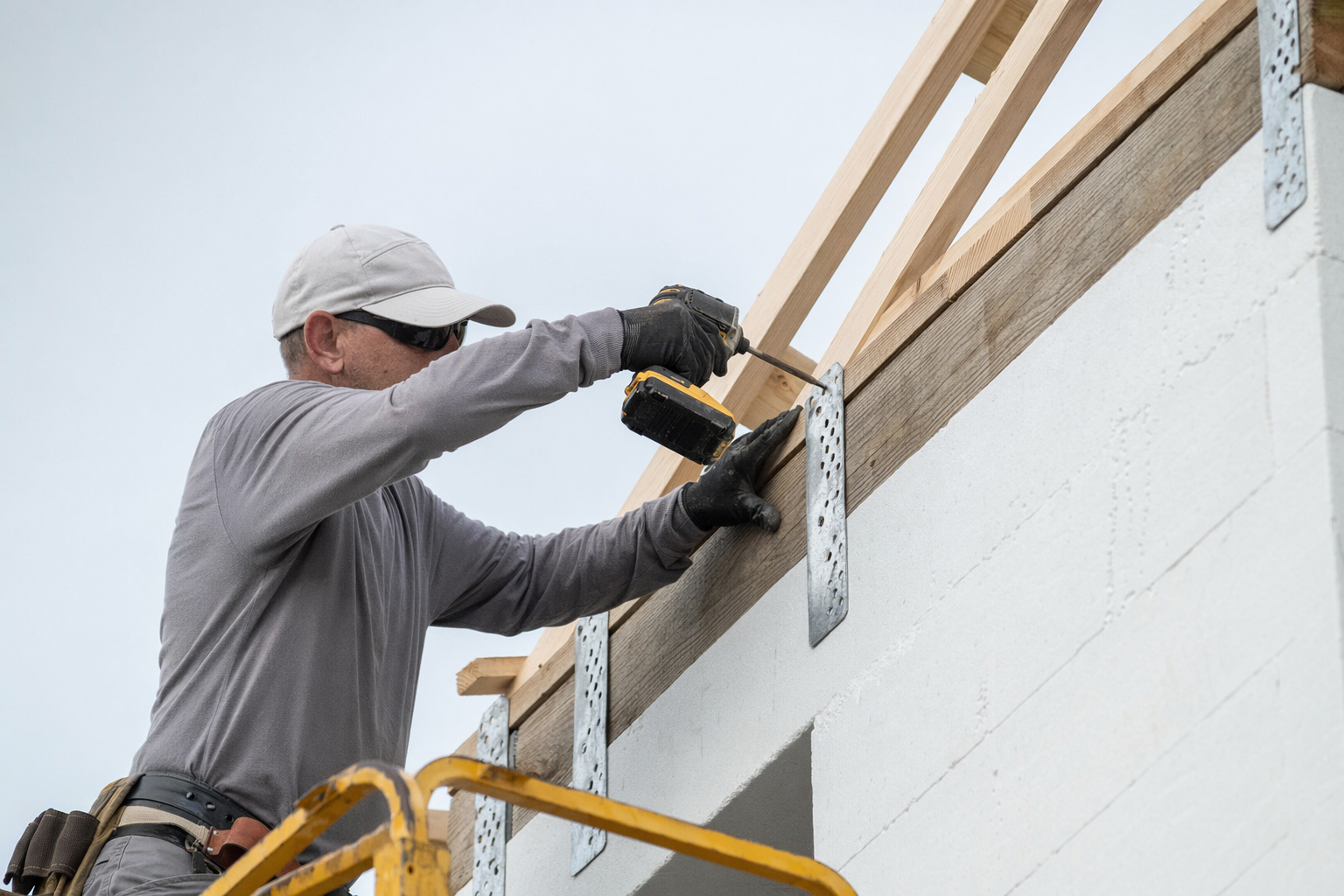
Why coastal and hurricane-zone homes get special attention
Homes near the coast often deal with a mix of risks, not just one. High winds, wind-driven rain, corrosion from salty air, older connections between the roof and walls, and water around foundations can all affect what a contractor looks at during an estimate.
That does not mean every house needs the same work. The age of the home, roof shape, foundation type, crawl space or slab, past repairs, and local permit rules all matter. A licensed contractor can inspect the property and explain what may be worth improving, and if engineering is needed, they can tell you when to ask a licensed engineer.
Many homeowners using this page are buying an older home, planning repairs after a storm, or trying to make future damage less likely. If that sounds like you, you can get matched, free and compare local options without giving up control over who you hire.
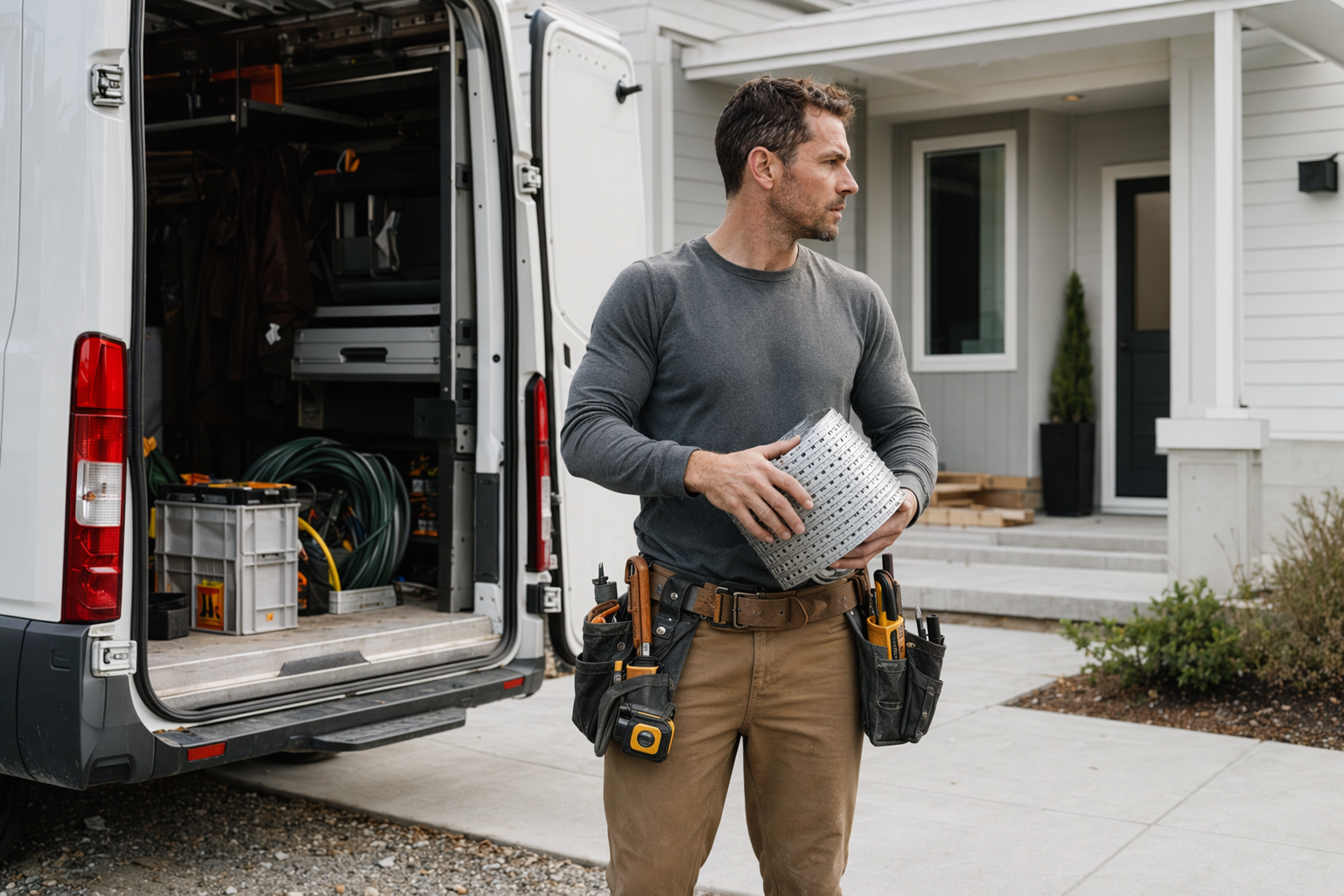
Common retrofit projects homeowners ask about
Homeowners in hurricane and coastal areas usually ask about projects that help the home stay better connected and better protected from water entry. The exact scope depends on the house, but common requests include:
- roof-to-wall connection upgrades such as clips or straps where appropriate
- gable-end bracing or other roof-area reinforcement where a contractor recommends it
- impact-resistant window or opening protection options
- garage door reinforcement or replacement with a wind-rated model
- fastening or replacing roof coverings during a reroof project
- drainage, moisture, or crawl-space improvements around the home
Some owners also ask about tying storm work together with earthquake-related improvements if they live in a mixed-risk area. For example, a contractor might look at foundation attachment or cripple-wall bracing needs during the same visit, but only an on-site professional can confirm what is suitable for your home.
If you are new to home repair in the US, you are not alone. BedrockMatch also helps homeowners who want simpler communication, including many first-time buyers and immigrant families. You can explore other help pages through our area guides if you want support that fits your situation.
How contractor matching works
BedrockMatch is a free matching service for homeowners. You tell us a little about your home, location, and the kind of work you want to discuss. We then introduce you to local contractors who handle retrofit or storm-hardening work in your area.
Participating contractors pay BedrockMatch a flat fee to be introduced. We do not take a percentage of your project cost, and we do not tell you who to hire. You keep control of the process from start to finish.
A typical process looks like this:
- Share your address, home type, and concerns.
- We match you with available local contractors.
- You speak with them directly and book estimates.
- You compare scope, timing, and price.
- You choose a contractor, or choose no one.
Before signing anything, verify the contractor's license, bond, and insurance yourself, and make sure the scope and price are written clearly. If language support matters to your household, ask early whether the contractor can communicate in the language you prefer. Homeowners looking for that kind of support may also want to see our page for Spanish-speaking homeowners.
What to ask before you book an estimate
A short phone call can save time. Before you schedule a visit, ask whether the contractor regularly works on coastal or hurricane-zone homes like yours, and whether they handle the type of project you are considering.
Useful questions include:
- Are you licensed for this type of work in my state or city?
- Have you worked on homes with my roof style, foundation type, or age range?
- Will you look at both wind-related issues and moisture-related issues if needed?
- Do you expect engineering, permits, or specialty inspections for this type of project?
- Can you provide a written scope after the visit?
- What is your current scheduling timeline?
It is also fair to ask what is not included in the estimate. For example, some bids include permit handling, debris removal, painting, or plywood replacement, while others do not. Getting that clear up front makes later comparisons easier.
Costs, timelines, and what can affect them
Costs vary a lot because storm retrofit work can range from one focused upgrade to a larger package of improvements. As a very general illustration, smaller reinforcement or hardware-related projects may sometimes start in the low thousands, while broader work involving roofing, openings, garage doors, or multiple systems can move into much higher ranges. The real price depends on the home's size, condition, access, materials, local labor, permit requirements, and how much hidden damage is found once work begins.
Timelines also vary. A simple project might be scheduled and completed in days or a few weeks, while larger jobs can take longer because of design questions, permit review, product lead times, weather, or the need to combine trades. Coastal work can also face delays when specialized products are backordered during storm season.
A few common cost drivers are:
- taller homes or hard-to-access roofs
- rotten wood or corrosion discovered during demolition
- upgraded windows, doors, or garage systems
- local permit and inspection steps
- combining storm work with other repairs like reroofing
If you are looking for financial help, some homeowners may qualify for public mitigation programs. In California, for example, some homes may qualify for the Earthquake Brace + Bolt grant for certain earthquake retrofits, and in some places FEMA-related hazard-mitigation funding may be available. Always check whether you qualify, because these programs have rules and are not guaranteed.
How to compare bids without getting overwhelmed
When two bids have different prices, it does not always mean one contractor is overcharging. Often, they are pricing different scopes. One may include more hardware, more replacement of damaged materials, permit handling, or stronger product options. Another may be pricing only the minimum work they believe is needed.
A simple way to compare is to line up each bid and look for the same items on each one:
- exact work areas
- materials or product ratings listed
- permit responsibility
- cleanup and disposal
- payment schedule
- start date and estimated duration
- warranty terms, if any
If something is unclear, ask the contractor to explain the bid in plain language. You can also ask them to separate "required repair," "recommended upgrade," and "optional add-on" items so you can understand priorities. That can be especially helpful for first-time homeowners who are comparing contractors for the first time.
Do not feel forced to decide on the spot. Take time to read the written proposal, verify credentials, and make sure everyone in the household understands what is being purchased.
Permits, inspections, and homeowner responsibilities
Many retrofit and storm-hardening projects require permits or inspections, but the rules depend on the city, county, and scope of work. Your contractor can usually tell you what is commonly required in your area, and the local building department can confirm current rules.
As the homeowner, you should make sure key details are handled in writing. That includes who is pulling permits, who will be on site, what products are being installed, what happens if hidden damage is found, and how change orders will be approved.
A good checklist is:
- verify the contractor's active license, bond, and insurance yourself
- confirm the permit plan before work starts
- ask for a written scope and payment schedule
- keep copies of contracts, change orders, and inspection records
- ask what final sign-off or closeout documents you should receive
BedrockMatch does not inspect homes, design retrofits, or approve code compliance. We help you find local contractors to evaluate the property so you can make an informed choice.
Always verify a contractor's license, bond, and insurance, and confirm the scope and price in writing before any work starts.