If Your Home Has a Garage Below the Main Living Area
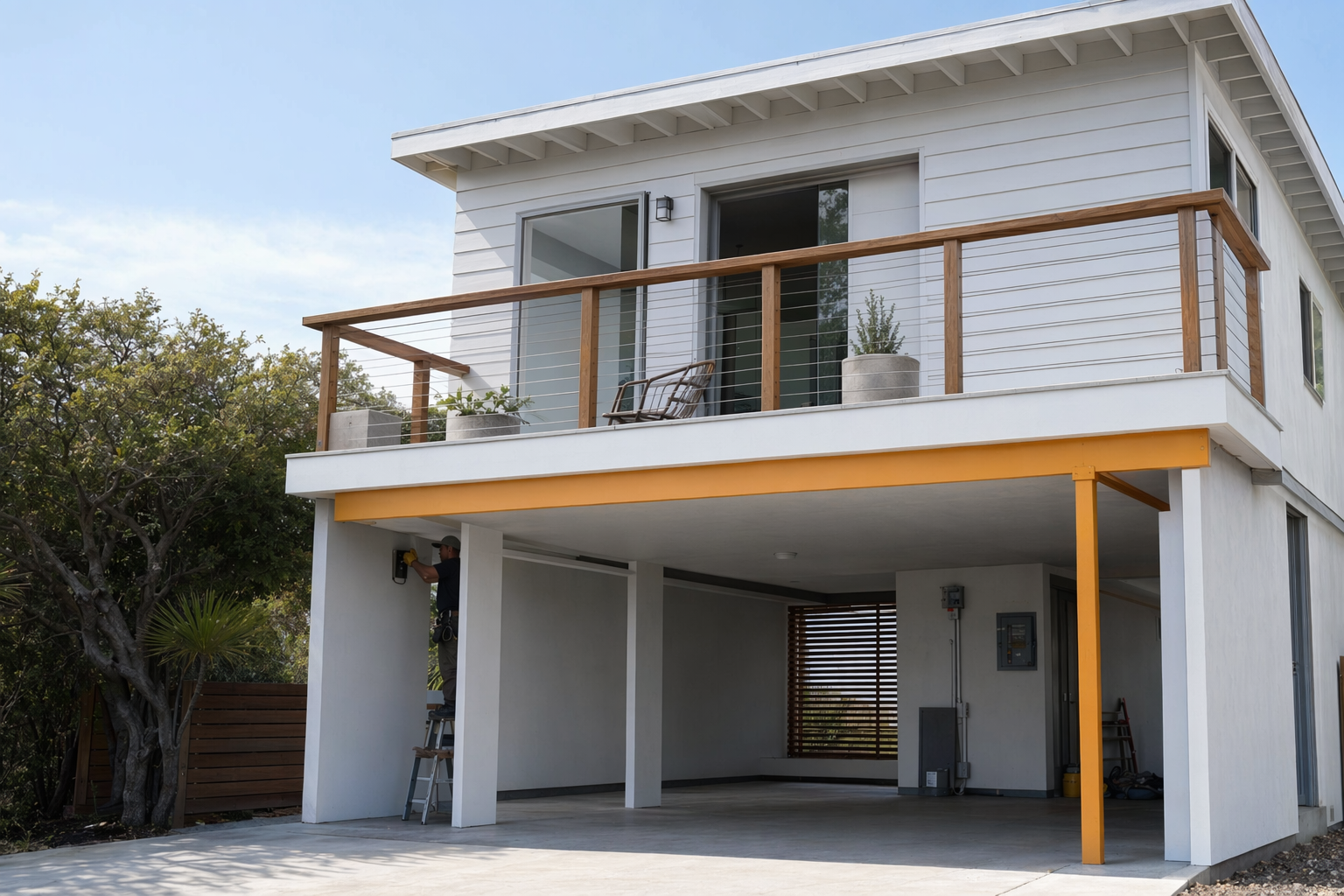
If your home has a garage on the lower level with living space above it, contractors usually look closely at that part of the structure after earthquakes and major wind events. This layout is common and can often be improved, but the right scope depends on the home, the site, and an on-site assessment.
Why this home layout gets extra attention in earthquakes and storms
A garage opening creates a large open area on one side of the house. Compared with a wall that has more framing and sheathing, that open section may have fewer parts helping the home resist side-to-side movement from shaking or strong wind pressure.
When there is living space above the garage, the weight of the upper floor and roof still has to transfer safely down into the foundation. Contractors often pay extra attention to how the framing, wall lines, and connections work together around the garage opening.
This does not mean every home with a garage below the main living area has the same problem or needs the same fix. Older homes, remodels, sloped sites, and homes in coastal or high-wind areas may need a closer look. If your home is also exposed to storm risk, you may want to read about coastal and hurricane zone homes.
Common weak points contractors often check first
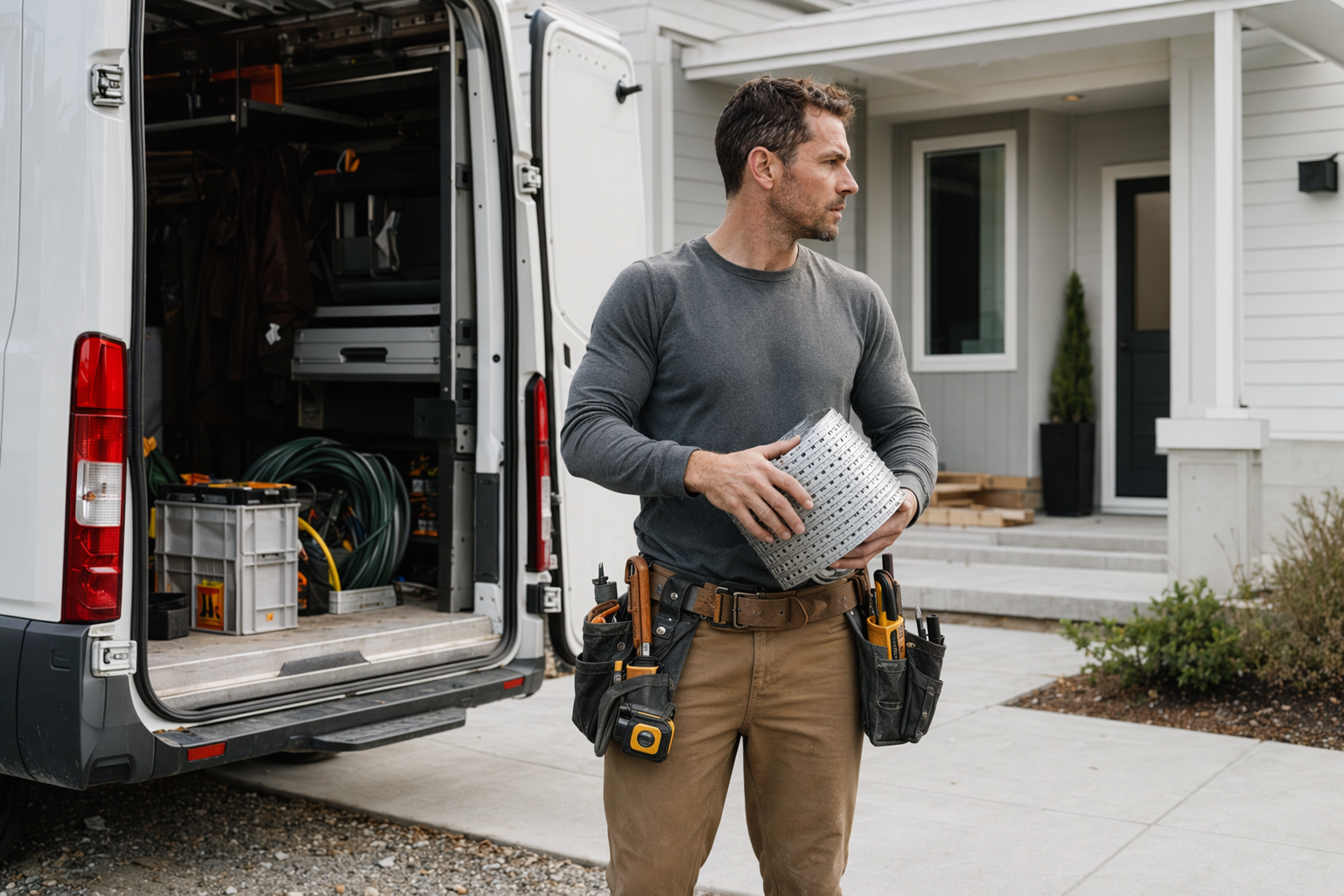
A licensed contractor or engineer will usually start with the most obvious load paths and connection points. They are looking for places where movement, uplift, or racking could happen more easily.
Common items they may check include:
- the walls beside the garage door opening
- how the upper floor is connected to lower walls
- whether framing has adequate sheathing or bracing
- how the structure is attached to the foundation
- signs of past movement, water damage, rot, or impact damage
- whether previous remodel work changed wall layout or openings
They may also note practical issues that affect retrofit work, such as finished drywall, stored items in the garage, water heater location, electrical panels, or limited access to framing. These details can change labor time and cost.
What an on-site retrofit assessment usually includes
A typical on-site visit is part visual inspection, part measuring, and part question-and-answer. The contractor may look at the garage opening, nearby walls, foundation area, crawlspace or basement access if present, and the level above the garage.
They may ask when the house was built, whether there have been additions or garage-door changes, and whether you have seen cracking, sticking doors, or water problems. Photos and measurements are often taken so they can prepare a written scope.
A useful assessment usually includes:
- what conditions they observed
- what work they recommend and why
- whether permits may be needed
- what parts are excluded from the bid
- what access, patching, or finish repair is included
If the contractor believes engineering is needed, they should say so clearly. BedrockMatch is not an engineer or inspector, but we can help you get matched, free with local contractors who work on this kind of home layout.
Typical retrofit options you may hear about
The exact solution depends on the house. After an on-site review, a contractor may talk about adding or improving bracing around the garage opening, strengthening short wall segments beside the door, improving structural connections between framing members, or upgrading how parts of the house are anchored to the foundation.
In some homes, the discussion may include hardware such as hold-downs, straps, anchors, or other connectors. In others, the focus may be on adding engineered wall assemblies or strengthening specific sections that carry loads from the floor above. A contractor can confirm what is appropriate for your home, and if needed they may recommend a licensed engineer.
You may also hear about related work that is not the main retrofit but can affect the project, such as drywall removal and patching, garage storage removal, moving utilities, or repairing damaged wood. For homeowners who are just starting to compare options, our area pages can help you understand common retrofit situations.
Ballpark cost ranges and what can affect the price
Costs vary widely because garage-under-living-space homes can range from a straightforward strengthening job to a more involved engineered project. A typical illustrative range for limited work might start around $3,000 to $8,000, while more complex projects can run $8,000 to $20,000+ depending on design, access, finishes, and local labor rates. These are not quotes or promises.
Price often changes based on:
- size of the garage opening and nearby wall lengths
- age of the home and existing condition of framing
- whether plans or engineering are required
- permit fees and inspection requirements
- drywall, stucco, siding, or finish repair
- electrical, plumbing, or appliance relocation
- whether rot or water damage is found during work
It is normal for contractors to give a range first and then refine the price after a site visit. If you are a newer homeowner, our page for first-time homeowners may help you compare bids more comfortably.
Questions to ask before you compare bids
When two bids look different, the reason is often scope, not just price. Ask each contractor to explain exactly what work is included, what assumptions they made, and what could change after opening walls or exposing framing.
Good questions to ask include:
- What specific areas of the garage and upper level are you addressing?
- Is this bid based on visual review only, or do you recommend engineering?
- Are permits, inspections, and plans included?
- Are drywall, stucco, paint, or trim repairs included?
- What happens if hidden damage or prior unpermitted work is discovered?
- How long will access to the garage be limited?
- What warranty do you offer on your workmanship?
Also ask for the final scope and price in writing. The homeowner keeps the choice of who to hire, and you should verify the contractor's license, bond, and insurance yourself before signing.
How to find and vet local retrofit contractors
Look for contractors who regularly work on seismic or storm-related structural strengthening, not just general remodeling. Experience with garages below living areas can matter because these projects often involve load paths, access limits, and finish repair decisions that need careful planning.
Before hiring, compare at least two or three written bids if possible. Check the contractor's license status, bond, and insurance directly with your state or local agencies, and ask who will pull permits and who will actually perform the work.
A practical checklist:
- confirm license, bond, and insurance yourself
- ask for recent examples of similar retrofit work
- read the written scope line by line
- confirm permit responsibility in writing
- ask how change orders are priced
- do not rely on verbal promises alone
BedrockMatch is a free matching service for homeowners. We are not a contractor or engineer, but we can help you get matched, free with vetted local companies that serve your area.
Always verify a contractor's license, bond, and insurance, and confirm the scope and price in writing before any work starts.