How matching helped a homeowner with a tuck-under garage
A tuck-under garage can make an older home feel harder to understand, especially when one contractor says one thing and another says something else. This composite story shows how one homeowner used free matching to meet local retrofit contractors, compare options, and make a more confident choice.
The situation the homeowner was dealing with
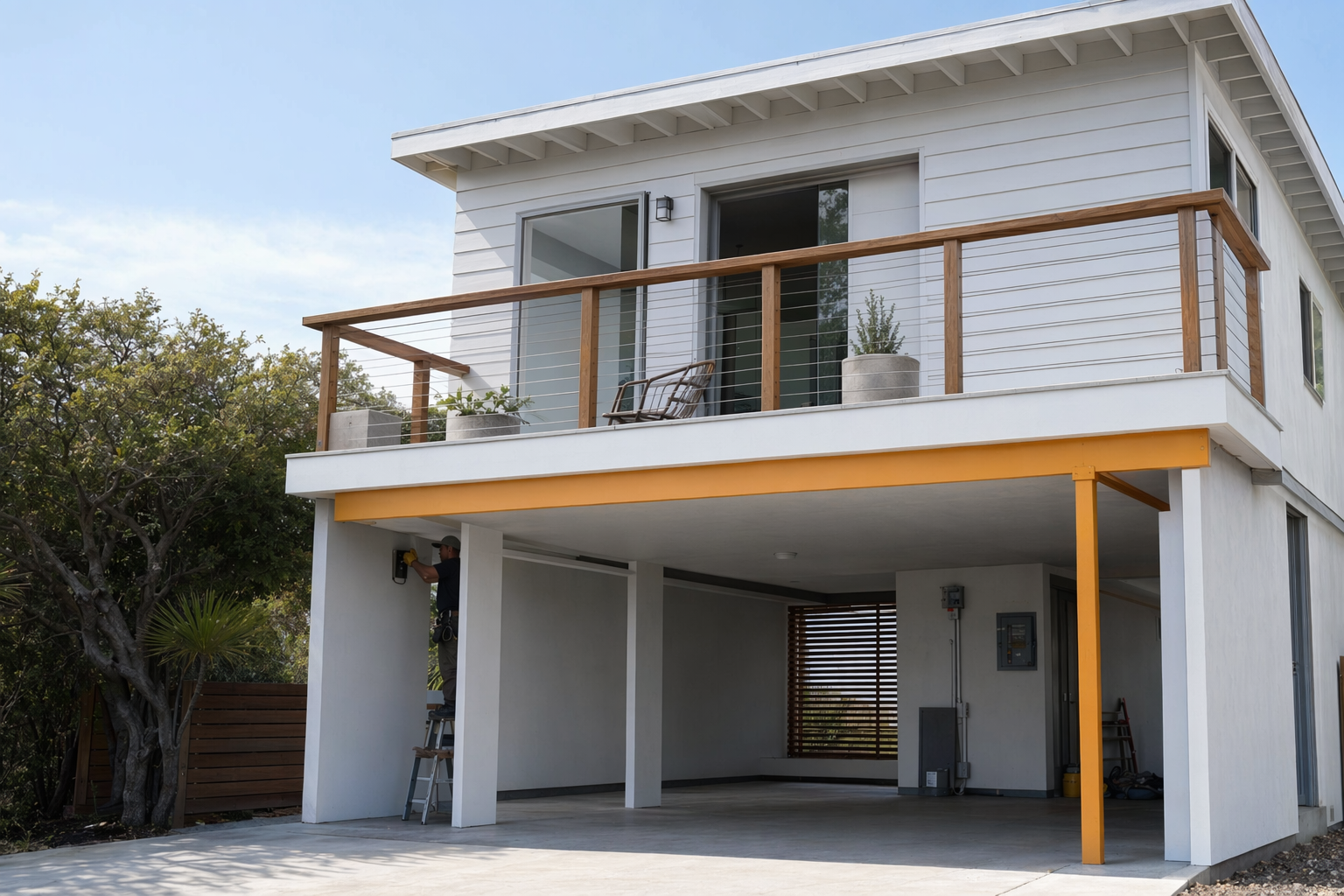
This story is an anonymized composite based on common homeowner situations. The homeowner had an older two-story house in earthquake country with living space above a front-facing garage. The home had been in the family for years, and no one had done major structural work since they bought it.
After a few local earthquakes and more news about older homes with open garage areas, the homeowner started wondering whether the front of the house might be a weak point. They were not looking for anyone to promise that the home would be "safe" in every earthquake. They mainly wanted a clearer explanation of what contractors look for in a tuck-under garage and what a realistic project might involve.
Like many homeowners, they also felt stuck between concern and confusion. Online articles used technical terms, neighbors shared different opinions, and the homeowner did not know whether they needed a small upgrade, a larger retrofit, or just a professional site visit to understand the condition of the house.

Why the tuck-under garage raised questions
A tuck-under garage often means there is a large opening at the ground level with living space above it. Homeowners frequently hear terms like "soft-story" or "weak first story," but those labels can sound more certain than they really are without an on-site assessment.
In this case, the homeowner's questions were practical:
- Was the garage opening part of the concern, or was the issue more about the walls around it?
- Would any work be limited to the front garage area, or could it affect other parts of the house too?
- Would permits, inspections, or temporary disruption be part of the job?
The homeowner did not want a generic sales pitch. They wanted someone local to look at the house and explain, in plain language, what a contractor could confirm on site. BedrockMatch's role was not to diagnose the home. It was to help the homeowner connect with vetted local contractors who work on retrofit projects so they could ask better questions and compare answers.
What the homeowner wanted from a contractor
The homeowner had a simple goal: meet contractors who could inspect the visible conditions, explain possible retrofit approaches, and provide a written scope and price range. Cost mattered, but clarity mattered just as much.
They wanted to compare contractors on a few basics:
- Whether the contractor had experience with older homes and garage-related retrofit work
- How clearly the contractor explained the possible scope
- What the timeline, permit process, and disruption might look like
- Whether the bid was specific enough to compare fairly
The homeowner also wanted to keep control of the decision. That meant no pressure to hire the first company they spoke with. It also meant checking license, bond, and insurance details themselves and asking that any proposed scope and pricing be put in writing.
They were open to hearing about common services such as strengthening around garage openings or related seismic improvements, but they understood that only a licensed contractor or engineer on site could say what made sense for this particular house.
How the free matching process worked
The homeowner filled out a short request describing the house, location, and concern about the tuck-under garage. BedrockMatch then introduced vetted local contractors who serve that area. The matching was free to the homeowner. Participating contractors pay BedrockMatch a flat fee to be introduced, and the homeowner stayed fully in control of who to speak with and who to hire.
After the introduction, the homeowner scheduled visits directly with the contractors they wanted to meet. Some asked for photos before coming out. Others preferred to see the garage, crawlspace, and exterior conditions in person first.
What BedrockMatch did: introduced vetted local contractors so the homeowner could compare options and choose for themselves. If you are in a similar spot, you can get matched, free.
The homeowner liked that the process felt practical instead of pushy. They could ask the same questions to each contractor and listen for differences in scope, timing, and communication style.
What the contractor visit helped clarify
The site visits did not produce one identical answer, but they did make the decision much clearer. The contractors pointed out visible conditions around the garage opening, discussed how lateral bracing might be addressed, and explained where permit review might come into play. One contractor also suggested that if the homeowner wanted a formal engineering opinion, they could ask a licensed engineer for project-specific guidance.
That helped the homeowner separate three different things that had been mixed together in their mind:
- general concern from reading online
- contractor observations from an on-site visit
- engineering confirmation, if needed for final design or permit requirements
The cost discussion also became more realistic. The homeowner received illustrative ranges that depended on final scope, access, finishes, and permit requirements. The smaller end of the discussion was around the mid-thousands for more limited work, while more involved tuck-under garage retrofit projects were discussed in a range that could reach the low five figures or more in some cases. No one could responsibly lock in a final number without a defined written scope.
Just as important, the homeowner learned that retrofit work may reduce some vulnerabilities, but no contractor can honestly promise a house will avoid damage or perform the same way in every earthquake.
How the homeowner compared bids and next steps
Once the written bids came in, the homeowner made a side-by-side comparison. Instead of looking only at the bottom-line price, they reviewed what each proposal actually included and what was still an allowance or assumption.
They focused on:
- whether permit handling was included
- whether finish repair was included or separate
- how the contractor described the garage-area work
- estimated schedule and payment timing
- what exclusions were listed
In this composite example, the homeowner chose a mid-range bid rather than the cheapest one. The selected contractor was not the lowest price, but the scope was easier to understand and the communication felt more careful. The homeowner also appreciated that the contractor did not overpromise outcomes.
The final project cost landed in a typical illustrative range for this kind of work, but it changed somewhat from the first conversation once the written scope and permit-related details were finalized. That is common. Pricing depends on the home's condition, local labor costs, access, finishes, and what the contractor confirms on site.
Before signing, the homeowner verified license, bond, and insurance, then made sure the scope, payment terms, and cleanup expectations were in writing.
What other homeowners can take from this story
A tuck-under garage does not automatically tell you exactly what work is needed, but it is a reasonable reason to ask questions. The most helpful next step is usually not guessing from photos online. It is talking with qualified local professionals who can see the home in person.
A few takeaways from this story:
- Ask for plain-language explanations, not just technical labels
- Compare written scopes, not just prices
- Verify license, bond, and insurance yourself
- Keep expectations realistic about cost, timeline, and outcomes
If you are still early in your research, it may help to read another homeowner story at /stories/ or compare this with an immigrant family using a retrofit grant. Public programs such as California's Earthquake Brace + Bolt grant may help some owners with qualifying work, but eligibility and project rules vary, so check whether you qualify.
This homeowner's outcome was not a guarantee or a perfect formula. It was simply a better decision process: understand the concern, meet contractors, compare bids carefully, and choose the professional and scope that made the most sense for the house and budget.
Always verify a contractor's license, bond, and insurance, and confirm the scope and price in writing before any work starts.