Seismic Retrofit vs. Earthquake Insurance: Which Helps More?
Seismic retrofit and earthquake insurance help in different ways, so the better choice depends on your home, budget, and risk tolerance. One may help reduce some kinds of damage before a quake, while the other may help with certain repair costs after a covered loss, but neither is a complete solution by itself.
What each option does for a homeowner
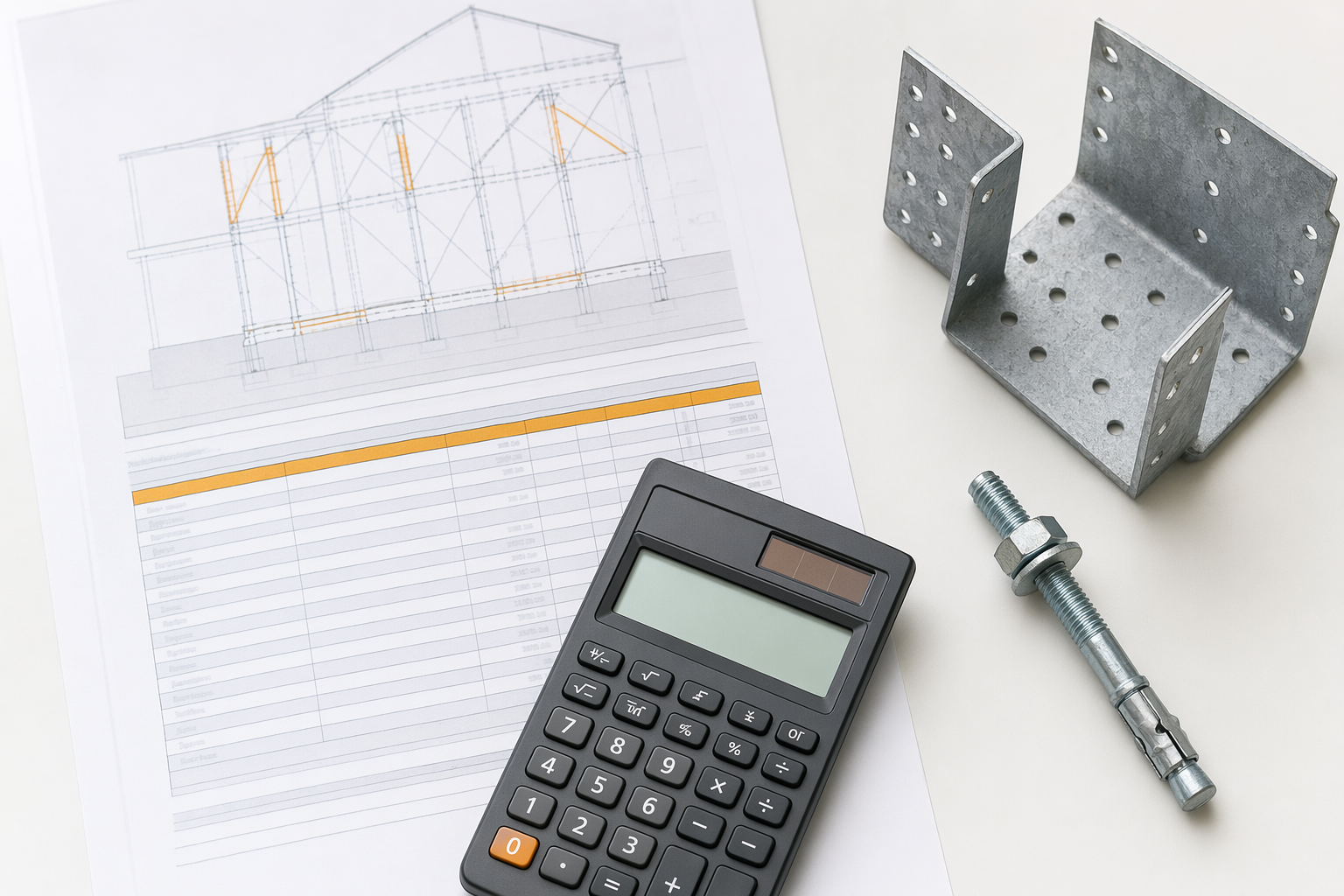
A seismic retrofit is work done to improve how a home is connected and braced, such as foundation bolting, cripple-wall bracing, or other upgrades a contractor may recommend after seeing the property. The goal is to strengthen common weak points, but only a licensed contractor or engineer can confirm what is appropriate for a specific house.
Earthquake insurance is a policy that may help pay for some repair or replacement costs after a covered earthquake loss, subject to the policy terms, deductible, exclusions, and limits. It does not physically strengthen the house before an earthquake happens.
A simple way to think about it:
- Retrofit is about the house itself
- Insurance is about financial protection after a covered event
- Both depend on the details of your home, location, and policy or scope of work
If you are early in your research, it can help to get matched, free with local retrofit contractors while also reviewing your insurance documents.
How the costs usually show up
Retrofit costs are usually a one-time project cost, although the total can vary a lot by home age, foundation type, access, permit requirements, and the amount of work needed. For many houses, basic seismic work may fall in a typical illustrative range from a few thousand dollars to much more if there are major access issues or added repairs. A contractor can confirm the real scope and price in writing after an on-site assessment.
Insurance costs usually show up as an ongoing premium, plus a deductible if you file a covered claim. A lower premium may come with a higher deductible, and a policy that looks affordable at first may still leave a homeowner with a large out-of-pocket cost after a quake.
Homeowners sometimes also compare timing:
- Retrofit often means paying more up front.
- Insurance spreads cost over time through premiums.
- A claim payment, if any, depends on policy rules, covered damage, and the deductible.
If you may qualify for help with retrofit cost, check whether programs such as California's Earthquake Brace + Bolt grant or FEMA hazard-mitigation grants are available in your area. Qualification, funding, and scope rules vary.
Where retrofit may help and where insurance may help
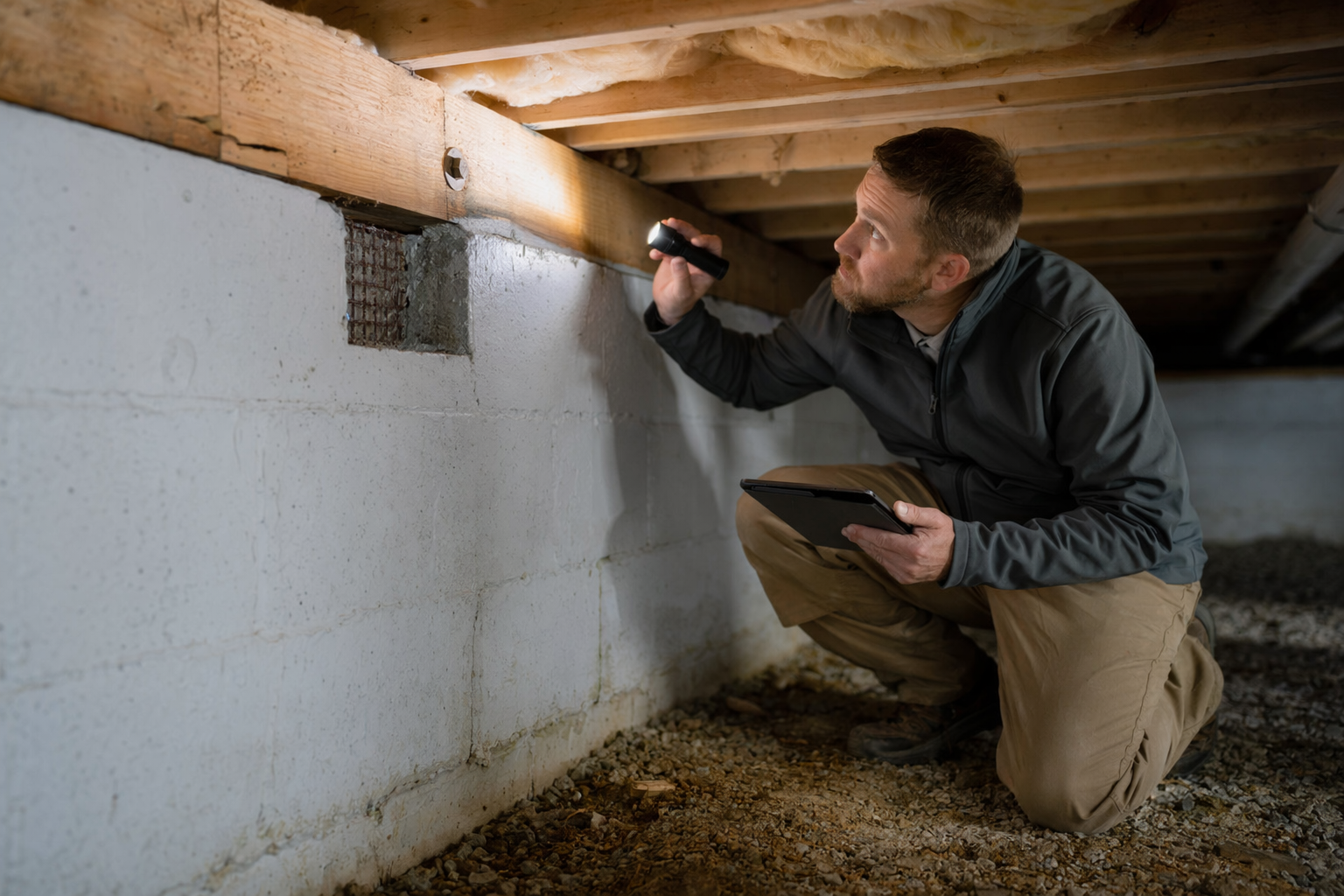
Retrofit may help where the home has common structural weak points that can be improved, especially in older houses with known connection or bracing issues. A contractor might look at items like foundation attachment, cripple walls, or other conditions, but they should be the one to explain what work is recommended and why.
Insurance may help where a covered earthquake causes damage that meets the policy threshold and falls within the policy terms. That can matter if repair costs are very high, but homeowners should read carefully because coverage can be narrower than expected.
In practical terms, each option may help in different situations:
- Retrofit may improve the home's resistance at certain weak points
- Insurance may help with some financial loss after covered damage
- Retrofit does not replace a policy
- Insurance does not replace physical strengthening
If you want to understand how different retrofit methods are compared by homeowners, you may also look at other retrofit comparisons.
Why many homeowners compare both instead of choosing only one
Many homeowners do not see this as a strict either-or decision. They compare both because the two options solve different problems: one aims to improve the building's condition, and the other may help with part of the financial risk after a loss.
For example, a homeowner might decide to do a limited retrofit first because the house has an obvious weakness identified by a licensed professional, then review whether earthquake insurance still fits the household budget. Another homeowner may keep insurance but delay retrofit until they collect bids and understand the scope better. These are personal budgeting choices, not one-size-fits-all answers.
A balanced comparison often includes:
- Age and type of house
- Local earthquake exposure
- Savings available for repairs or deductibles
- Monthly budget tolerance for premiums
- Whether the homeowner plans to stay in the home for years
If you are also weighing whether to hire a professional or attempt work yourself, see DIY vs. licensed retrofit contractor.
Questions to ask before you spend money
Before paying for either option, slow down and ask clear questions. Homeowners sometimes buy a policy they do not fully understand or accept a retrofit proposal without a complete written scope.
For retrofit bids, ask the contractor:
- What exact work is included?
- What is excluded?
- Are permits part of the price?
- What conditions could change the final cost?
- What timeline should I expect?
For insurance, ask the insurer or agent:
- What is my deductible and how is it calculated?
- What damage is covered and not covered?
- Are contents, temporary housing, and detached structures included?
- What limits apply?
Also verify any contractor's license, bond, and insurance yourself, and make sure scope, materials, and payment terms are in writing before you hire anyone.
How to compare quotes, deductibles, and exclusions
Try to compare documents side by side, not from memory. A lower retrofit bid may leave out important items, and a lower insurance premium may come with a deductible or exclusion that changes the value of the policy for your situation.
For retrofit bids, compare whether each contractor is pricing the same scope. One quote may include permit handling, added hardware, limited repairs, or cleanup, while another may not. Ask each bidder to explain the work in plain language and confirm all assumptions in writing.
For insurance, look closely at:
- Deductible amount or percentage
- Dwelling coverage limit
- Personal property coverage
- Loss-of-use or temporary housing coverage
- Exclusions and special limits
It can help to make a simple table with monthly or yearly premium, deductible, major exclusions, and what you would likely pay yourself after a serious event. The same side-by-side method works for retrofit bids too.
When to get local retrofit bids and review your policy
Get local retrofit bids when you own an older home, notice known weak-point terms in your research, are planning other foundation or crawl-space work, or simply want a clearer picture of your options. You do not need to commit just because you ask for estimates. A few written bids can show whether the project is relatively straightforward or more involved.
Review your earthquake policy, or your decision about whether to buy one, when your finances change, when construction costs rise, when you remodel, or when you realize you do not know your deductible or exclusions. These details matter more than the policy name alone.
A practical next step is to do both pieces of homework around the same time: collect local bids and read your policy carefully. BedrockMatch can help you get matched, free with vetted local contractors, while you keep full control over who you contact and who you hire.
Always verify a contractor's license, bond, and insurance, and confirm the scope and price in writing before any work starts.