Foundation bolting vs. a full seismic retrofit: how to compare
Homeowners often hear two terms that sound similar but can mean very different scopes of work: foundation bolting and a full seismic retrofit. This guide explains what each one usually includes, when people start comparing them, and how to review bids without guessing.
What foundation bolting usually covers
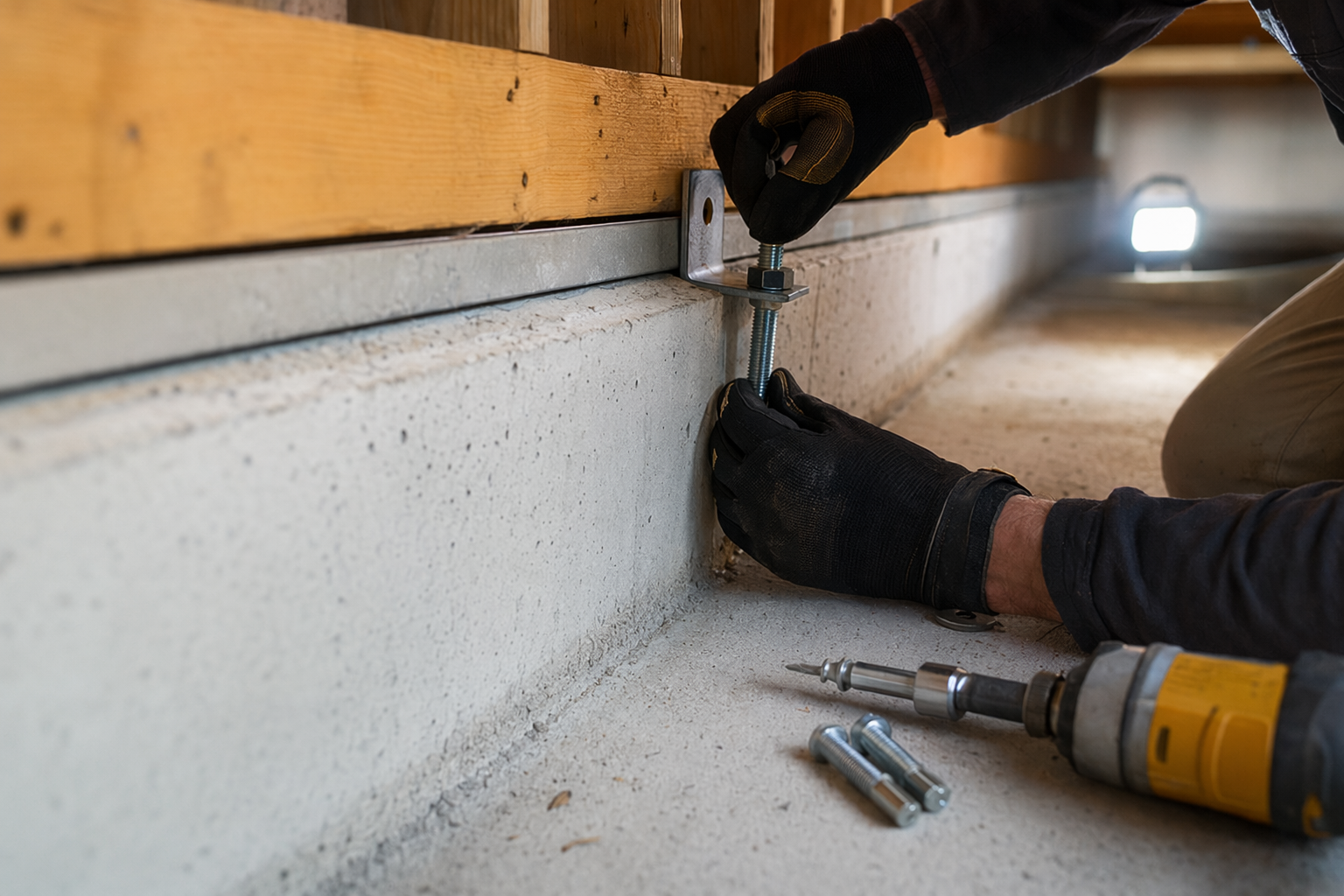
Foundation bolting usually means fastening the wood framing of the house more securely to the concrete foundation. In many older homes, this is discussed along with adding hardware in the crawl space or basement area, but the exact scope depends on what a contractor finds during an on-site inspection.
In plain terms, the goal is often to improve the connection between the house and the foundation. A contractor may talk about anchor bolts, sill plates, access in the crawl space, and whether existing materials are in good enough condition to receive new hardware. If there is damage, rot, or poor access, the work can become more involved.
What it usually does not mean is "every seismic issue in the house is solved." Foundation bolting is often one part of a broader plan, not always the whole plan. A licensed contractor or engineer can confirm whether foundation bolting alone matches the conditions of your home.
Homeowners often choose bolting as a starting point when:
- the house is older and has limited anchorage
- they want to address a known weak connection at the foundation
- they are trying to compare a smaller scope with a more complete retrofit
What a full seismic retrofit may include
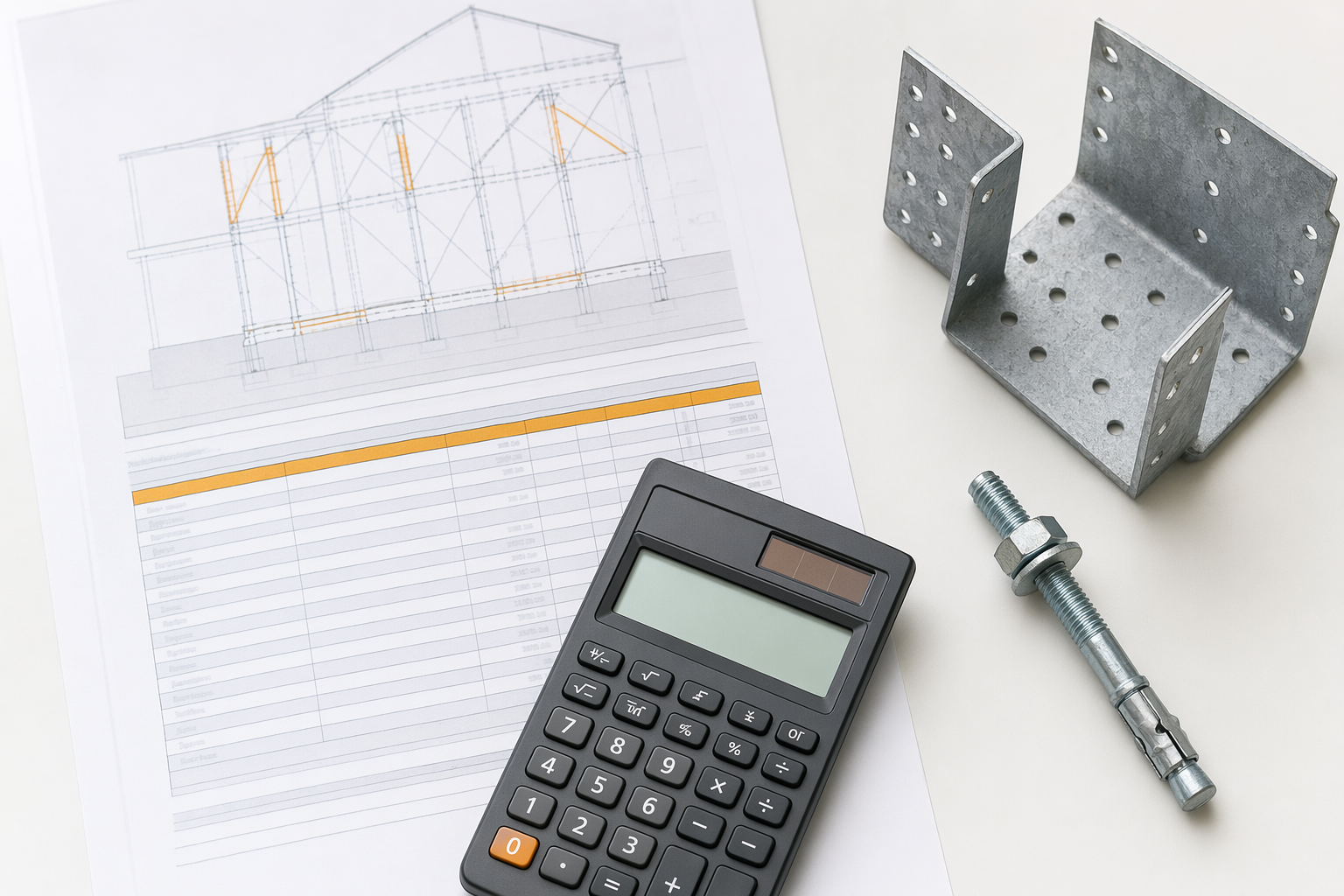
A full seismic retrofit may include foundation bolting, but it often goes beyond that. Depending on the house, the contractor may recommend additional bracing, reinforcement around cripple walls, connection upgrades, or other measures intended to improve how the home transfers movement forces during an earthquake.
The key word is may. There is no single package that fits every house, and BedrockMatch does not decide what your home needs. The right scope depends on the age of the home, foundation type, crawl-space conditions, previous remodels, and what a licensed professional sees on site.
Some homeowners hear "full retrofit" and assume it means a major rebuild. Sometimes it is broader than bolting but still focused work in a crawl space or basement. In other cases, conditions such as deterioration, access problems, or prior unpermitted changes can increase the scope.
If you are still deciding whether to do a limited upgrade or a broader one, it can help to compare this page with DIY vs. licensed retrofit contractor so you know what questions belong with a professional inspection.
When homeowners start comparing the two
Most homeowners start comparing bolting versus a fuller retrofit after one of three things happens: they buy an older home, they get a crawl-space recommendation from an inspector, or they begin thinking about earthquake risk and insurance together. The comparison often starts because one bid sounds simple and another sounds much broader.
Another common situation is resale planning. A homeowner may want to do practical work now but also wants clear paperwork for future buyers. In that case, the question is not only "What costs less today?" but also "What scope is being documented, permitted if needed, and clearly described in writing?"
You may also start comparing after learning about programs like California's Earthquake Brace + Bolt grant, which can offer up to about $3,000 toward qualifying work for eligible homes. Check whether you qualify, and ask the contractor whether their proposed scope aligns with the program rules. Some homeowners also compare retrofit work with insurance choices; this guide may help alongside seismic retrofit vs. earthquake insurance.
Typical cost ranges and what can change the price
For many homes, foundation bolting by itself is often priced lower than a broader seismic retrofit, but the spread can be wide. As a typical illustrative range, homeowners may see simpler bolting projects start in the low thousands, while more complete seismic retrofit scopes can run several thousand dollars more. These are not quotes or guarantees. Actual pricing depends on the home, region, access, materials, permit needs, and repair conditions found during the job.
Price often changes because the work is not just about hardware. The contractor may need to deal with tight crawl spaces, limited clearance, interior obstructions, damaged wood, old utility lines, concrete condition, or cleanup and disposal. Homes on slopes, homes with additions, and homes with difficult access often cost more.
When you review price, separate the bid into parts:
1. inspection and scope
2. materials and installation
3. permits or engineering, if any
4. repair items discovered before work starts
5. optional upgrades versus required base scope
A low number is not always the better value if the scope leaves out important line items. A high number is not automatically better either. Ask each contractor to explain what is included, what is excluded, and what could trigger a change order later. If you want a few local options to compare, you can get matched, free.
Tradeoffs in scope, disruption, and resale documentation
Foundation bolting can be attractive because it may involve a narrower scope, lower upfront cost, and less disruption. For some homes, that can make it a practical first step. But if the house has other significant weaknesses, a limited scope may not address everything a contractor would want to improve.
A broader retrofit may cost more and can involve more labor, access time, and documentation. On the other hand, a more complete written scope can be easier to explain later to buyers, agents, or inspectors. That does not guarantee a resale premium, but clearer paperwork usually makes the work easier to understand.
Think about these tradeoffs before choosing:
- Scope: what specific areas are included right now?
- Disruption: how many days, what access is needed, and will utilities or storage items need to be moved?
- Documentation: will you receive a written contract, permit information if applicable, photos, and a final invoice showing the completed work?
The best choice is not always the biggest job or the cheapest job. It is the scope that is clearly justified for your house and clearly explained in writing.
Questions to ask each contractor before you decide
Before you sign anything, ask each contractor to explain the scope in simple language. If one company says "bolting only" and another says "full retrofit," ask what conditions they saw that led to that recommendation. You are not asking them to make the same bid. You are asking them to show their reasoning.
Useful questions include:
- What exactly is included in this price?
- What work, if any, do you consider optional?
- What existing conditions could increase the final cost?
- Will permits be pulled if needed, and who handles that?
- What license, bond, and insurance do you carry?
- Will you provide photos or a completion summary?
Also ask whether the contractor expects hidden repairs once access is opened up. Honest contractors usually explain that some conditions cannot be confirmed until work begins. Make sure any possible extra charges are described in writing, with a process for approval before added work is done.
You should always verify a contractor's license, bond, and insurance yourself, and confirm scope, price, and change-order terms in writing. BedrockMatch is a matching service, not a contractor or engineer.
How to compare bids side by side
The easiest way to compare bids is to turn each one into the same checklist. Do not compare only the total price. Compare the scope line by line so you can see whether you are looking at the same job or two very different jobs.
Create a simple table with these columns:
1. work included
2. materials and hardware
3. permits or engineering listed
4. estimated timeline
5. exclusions
6. possible change-order triggers
7. warranty wording
8. total price
Then ask each contractor to fill any gaps. If one bid is vague, that is important information. Clear writing often tells you as much as the number itself. For more comparison guides, see all compare articles.
If you feel stuck, pause before signing. A good next step is to collect two or three written scopes that describe the work in plain language, then review what is actually different between them.
Always verify a contractor's license, bond, and insurance, and confirm the scope and price in writing before any work starts.