Soft-story steel frame vs. plywood bracing: how homeowners compare the options
For many soft-story homes, bids often mention either a steel frame or plywood bracing. Both are common retrofit approaches, but they solve the problem in different ways and can affect cost, layout, and construction time differently.
Why these two soft-story retrofit options get compared
Homeowners usually compare these two options when the ground floor has large openings, like parking, garage doors, or wide entry areas, and the upper floor has living space above. In that situation, a contractor may be looking for ways to strengthen a weaker first level without changing more of the house than necessary.
A steel frame is often discussed when owners want to keep a wide opening as open as possible. Plywood bracing is often discussed when there is enough wall area to add stronger wood-sheathed panels. The right fit depends on the building's layout, existing framing, and local engineering requirements, so only a licensed contractor or engineer can confirm what is workable after an on-site review.
If you are still comparing project scope, it can help to look at related tradeoffs like foundation bolting vs. full retrofit and other topics in the comparison library.
How a steel moment frame works in broad terms
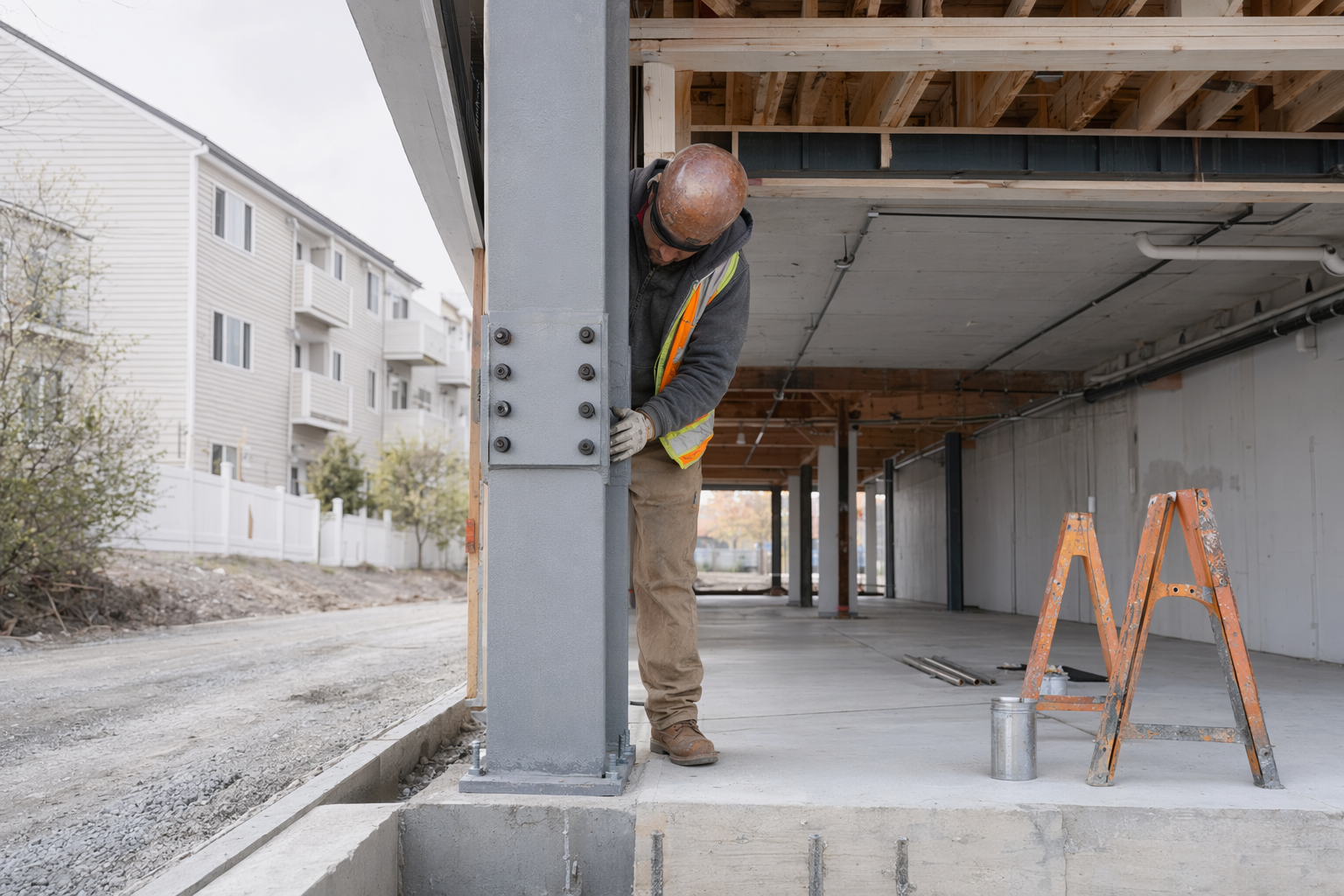
In broad terms, a steel moment frame uses heavy steel columns and a beam to create a rigid frame around an opening. The goal is to help that open area resist side-to-side movement better during earthquake shaking.
Homeowners often hear about this option for tuck-under parking or garage areas where closing in the opening would be inconvenient. A steel frame can allow a contractor to keep a larger clear span than many wood-braced solutions.
What homeowners usually notice is that this approach may involve:
- steel fabrication and delivery
- new footings or foundation work below the frame
- welding or bolting during installation
- more coordination with plans, permits, and inspections
That does not mean it is automatically better. It simply means it is one common way contractors address a soft-story opening when preserving access or parking matters.
How plywood bracing works in broad terms
Plywood bracing uses wood structural panels attached to framing to create stronger wall sections. In broad terms, these braced wall areas help the lower level act more like a stiff, supported box instead of a weak open story.
This option is often considered when there is enough wall length available to build proper braced sections. For example, a contractor may look at side walls, short wall segments near openings, or other locations where wood framing can be strengthened.
Homeowners often like plywood bracing because the materials and installation can be more familiar and sometimes less expensive than a steel frame. But it usually needs usable wall space. If your lower level is very open, a contractor may say plywood alone is limited or may need to be combined with other work.
Because details matter, ask the bidder to show where the braced panels would go and how that would affect storage, parking, doors, windows, or access.
Typical cost ranges, construction time, and day-to-day disruption
Costs vary a lot by region, permit requirements, foundation conditions, finish repairs, and whether the job is a simple opening or a more complex multi-part retrofit. As a very broad illustrative range, homeowners may see plywood-based soft-story work starting in the low thousands to mid five figures, while steel frame projects can land in the mid five figures or higher when engineering, fabrication, concrete, and finish work are included. These are not quotes or guarantees. A local contractor can price your actual layout.
Construction time also varies. A simpler plywood bracing job may move faster if access is straightforward and there is limited finish repair. A steel frame job may take longer because of measurement, fabrication, scheduling, concrete work, and installation steps. Permitting can also affect the overall calendar for either option.
Day-to-day disruption depends on where the work happens. Homeowners commonly ask about:
- parking or garage access during the job
- noise from demolition, drilling, or fastening
- dust and cleanup needs
- whether utilities or storage areas will be temporarily affected
- patching and repainting after structural work
Ask each bidder for a written scope with an estimated start window, work days on site, and what parts of the home will be off-limits during construction. If you are weighing very large work against a bigger reset, you may also want to read about retrofitting vs. rebuilding an old home.
Space, parking, openings, and design tradeoffs homeowners notice
The biggest real-life difference many homeowners notice is how each option uses space. A steel frame may preserve a wider opening, which can matter for parking, turning, storage access, or a garage door. Plywood bracing usually takes up some wall width, so it can reduce how open the lower level feels.
That said, a steel solution may introduce large visible columns or beams, and the foundation work below it can be significant. Plywood bracing can be easier to blend into existing framed walls, but only if there is enough room to create effective braced sections.
Common tradeoffs homeowners ask about include:
- clear width for cars or larger vehicles
- door and window placement
- storage layout
- future remodeling plans
- appearance after repairs are complete
A useful way to compare bids is to ask each contractor for a simple sketch showing the finished opening size, the location of new structural elements, and any areas that will no longer be usable the same way as before.
What can affect which option a contractor may propose
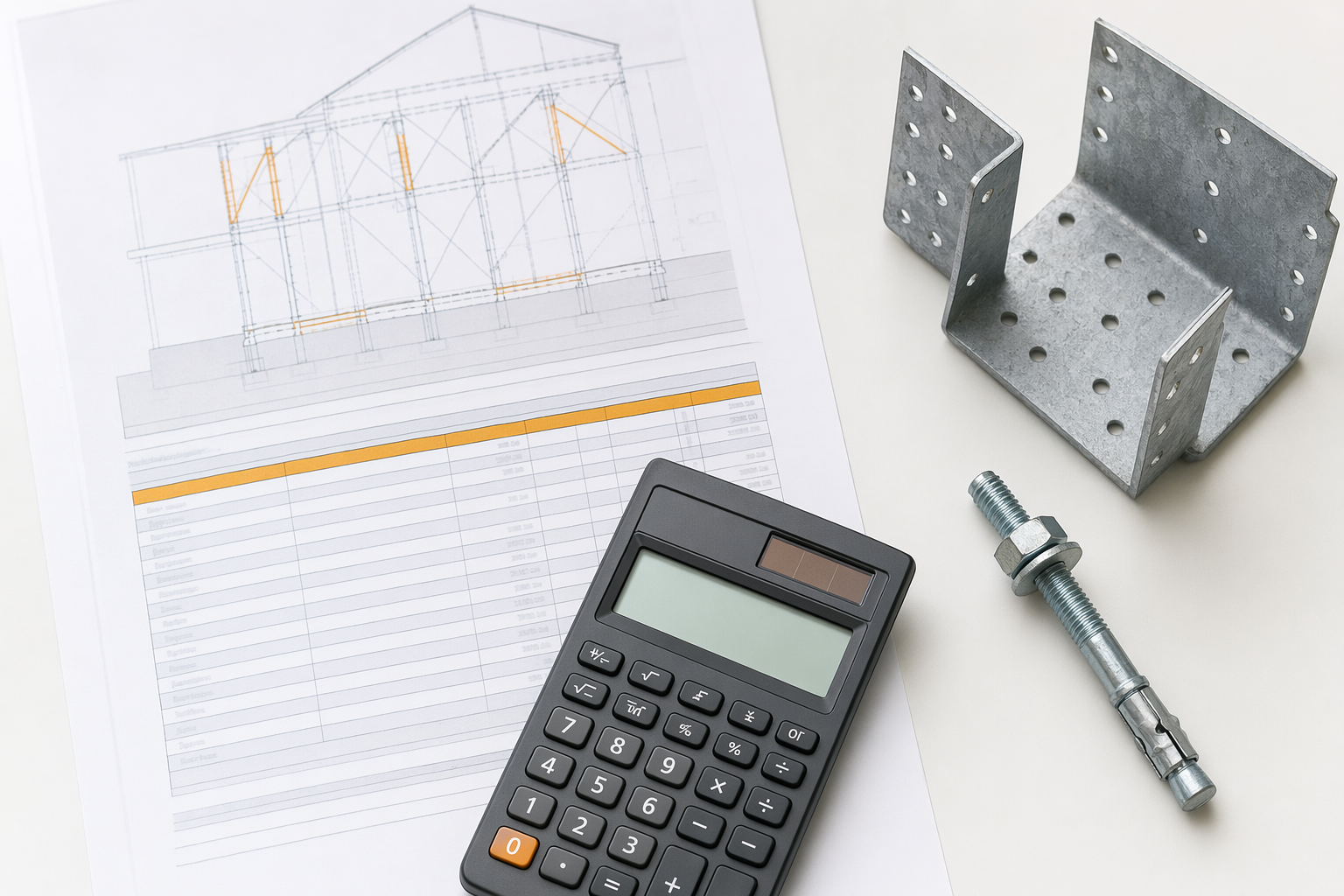
The proposal is usually driven by the building, not just by preference. Contractors and engineers may look at the size of openings, the number of stories above, the condition of existing framing, foundation capacity, access for equipment, and whether there is enough wall length for bracing.
Local permit requirements and engineering calculations can also shape the recommendation. In some homes, one approach may be more straightforward. In others, bidders may propose different solutions because they are making different assumptions about layout, finish repair, or how much of the lower level should stay open.
Before deciding, ask each bidder to explain in plain language:
- why this option fits your layout
- what assumptions were made about the existing structure
- whether new concrete or footing work is included
- what finish restoration is included or excluded
- whether a licensed engineer will be involved
If one bid is much cheaper, that does not automatically make it wrong or right. It may simply include a smaller scope. The safest comparison is line by line, in writing.
Questions to ask before you choose a bid
A good bid should help you understand not just price, but also scope, disruption, and what the finished space will be like. You do not need to be an expert to ask clear questions.
Try asking:
- What exactly will be added or changed on the lower level?
- Will this option reduce my parking width or usable storage area?
- What concrete, demolition, patching, and painting are included?
- Who prepares the plans, and who handles permits and inspections?
- What is the expected timeline from contract to completion?
- What items could increase cost after work starts?
- What warranties apply to workmanship or materials?
Also ask for license, bond, and insurance details, and verify them yourself. Make sure the final contract states the scope, payment schedule, exclusions, and change-order process in writing.
When you are ready to compare local bids, you can get matched, free with vetted contractors. BedrockMatch is a flat-fee matching service paid by participating contractors for introductions, and the homeowner keeps full choice over who to contact or hire.
Always verify a contractor's license, bond, and insurance, and confirm the scope and price in writing before any work starts.