Should You Retrofit or Rebuild an Old Home?
For many older homes, the real choice is not simply “fix it or tear it down.” It is whether targeted upgrades can make practical and financial sense for your goals, or whether starting over is the better fit for the home, budget, and amount of work needed.
Start with the decision you are actually making
A lot of homeowners ask, “Should I retrofit or rebuild?” A more useful question is: What problem am I trying to solve? You may be comparing safety concerns, repeated repair costs, layout problems, permit issues, or the condition of the foundation, roof, and walls.
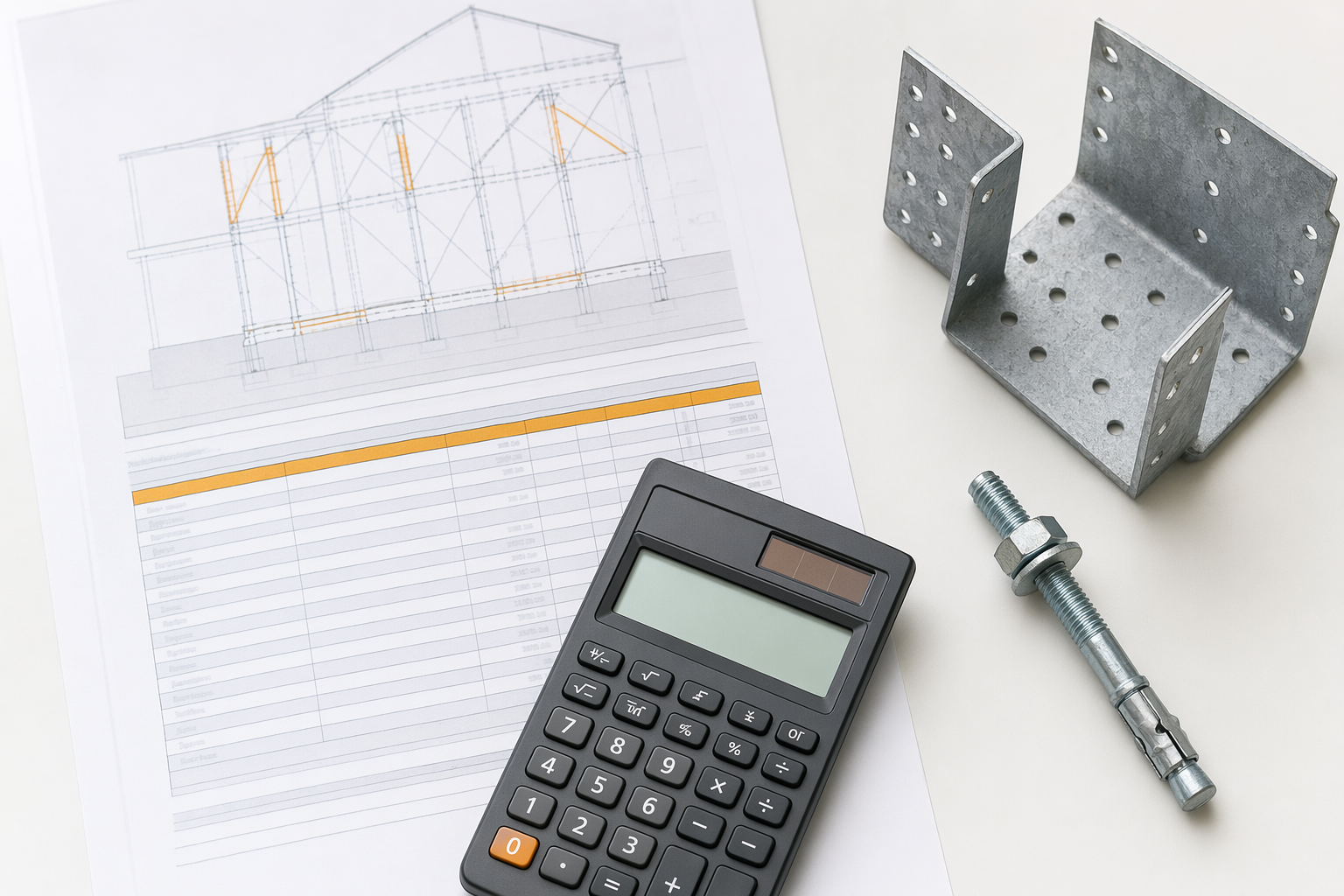
In many cases, rebuilding is not the alternative to one small repair. It is the alternative to a larger package of work that may include seismic or storm upgrades, foundation repair, drainage work, roof replacement, and interior renovation. A licensed contractor or engineer can help confirm what is cosmetic, what is deferred maintenance, and what affects the structure.
Before you compare prices, write down your priorities:
- stay in the same location
- keep the original house if possible
- reduce future repair risk
- improve comfort and layout
- limit out-of-pocket cost now
- finish the project faster
If you are still deciding what level of work to compare, it can help to review related options like foundation bolting vs full retrofit so you are not comparing a small retrofit to a full rebuild without realizing it.
When retrofitting may make more sense
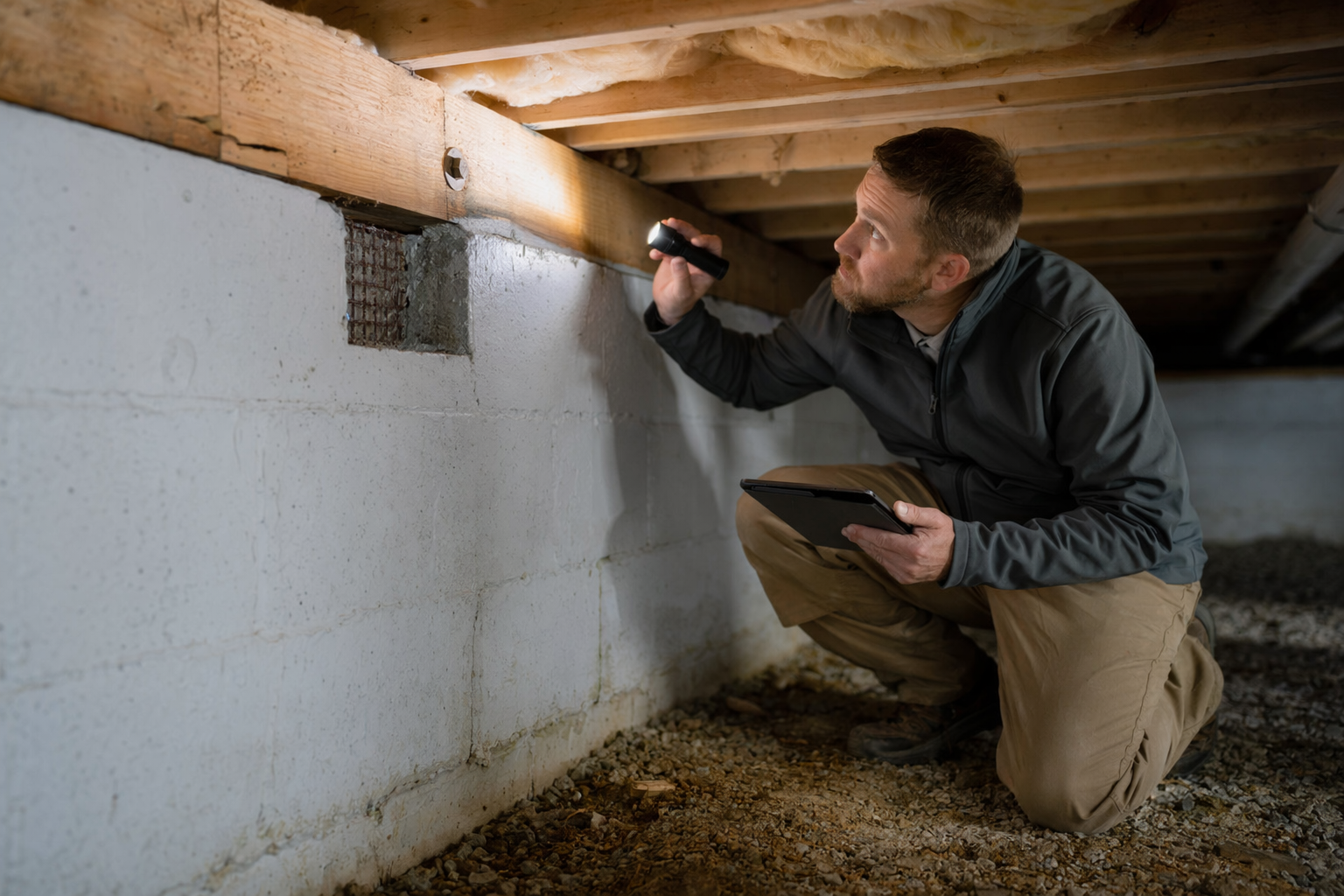
Retrofitting may be worth looking at when the home is basically usable and the main concerns are specific weaknesses, not total failure. Typical examples include an older raised-foundation house that may benefit from foundation bolting, bracing around a crawl space, roof tie-down improvements, or other targeted work a contractor can confirm after an on-site review.
This path often makes sense when you want to keep the house, avoid a long move-out, or protect recent investments like a newer kitchen, windows, or roof. It can also be easier emotionally for families who want to preserve the character of an older home.
Retrofitting may be more practical if:
- the foundation and framing are repairable
- the house meets your space needs with only minor layout changes
- local rules make rebuilding slow or expensive
- you want to phase the work over time
A retrofit is still construction, and older homes can hide surprises. But compared with a rebuild, the scope can be narrower and the permit process may be more manageable, depending on the city and the work involved.
When rebuilding may be worth considering
Rebuilding may deserve a closer look when the house has multiple major problems at once. For example, a homeowner may be facing severe foundation damage, extensive rot or water intrusion, outdated systems, poor layout, and high renovation costs that keep growing each time another issue is opened up.
A rebuild can also make sense when the existing home no longer fits the household and a major addition would be nearly as disruptive as starting over. In some areas, rebuilding may give you more flexibility for modern layouts, energy upgrades, and easier long-term maintenance, though local rules can limit what is allowed.
Questions that can point toward rebuilding include:
- Are you fixing structural issues plus most of the house anyway?
- Would a major remodel still leave you with an old floor plan you do not like?
- Will the cost of repair and renovation approach the cost of a replacement home on the same site?
- Can you handle the timeline, permits, and temporary housing if needed?
Rebuilding is usually the bigger step. It often brings higher design costs, more permits, longer timelines, and more decisions. It may still be worth it, but it should be compared against a real retrofit scope, not a guess.
Cost ranges, timelines, and day-to-day disruption
Costs vary a lot by region, home size, access, and what is discovered after work begins. As a very general illustration, a targeted retrofit such as bolting and bracing may run from a few thousand dollars to the low five figures, while broader structural and storm or seismic upgrade packages can go much higher. A rebuild usually starts far above that and can move into the hundreds of thousands depending on design, demolition, site conditions, and finishes.
Timelines are also very different. A smaller retrofit may take days to a few weeks once permits and scheduling are ready. A larger upgrade package can take longer. A rebuild often takes many months when you include design, approvals, demolition, construction, and final inspections.
Day-to-day disruption matters just as much as price:
- Will you need to move out?
- Will utilities be shut off?
- Can work happen from the crawl space or exterior?
- How much dust, noise, and access limitation should you expect?
If budget is your main concern, ask contractors to separate must-do work from optional improvements. You can also compare the cost of retrofit work with the cost of simply transferring risk through coverage by reading seismic retrofit vs earthquake insurance, but insurance and construction solve different problems.
Permits, inspections, and financing questions to ask
Permits can affect both cost and timing. Some retrofit projects are relatively straightforward to permit, while major remodels and rebuilds may trigger more reviews, more drawings, and more inspections. Requirements are local, so ask the city or county building department what approvals are typically needed for your type of project.
It is reasonable to ask a contractor what permits they expect, who will pull them, and what inspections are common. If engineering is needed, ask when a licensed engineer would become part of the process. BedrockMatch is not a contractor or engineer, so the right next step is getting project-specific guidance from licensed professionals.
Financing questions to ask early:
- Can the work be phased in a useful order?
- What deposit and payment schedule is proposed?
- Are there lender requirements for permits or inspections?
- What costs are allowances versus fixed prices?
- What happens if hidden damage is found?
You can also check whether you qualify for public programs such as California's Earthquake Brace + Bolt grant, which may offer up to about $3,000 toward qualifying retrofit work, or FEMA hazard-mitigation programs in some areas. Eligibility and funding are not guaranteed, so confirm current rules before you plan around them.
How to compare bids without getting overwhelmed
The easiest way to get confused is to compare bids that are pricing different scopes. One contractor may price only bolting. Another may include cripple wall bracing, hardware upgrades, permit handling, and repair of damaged wood. A rebuild proposal may or may not include design fees, demolition, utility work, or finish materials.
Ask every bidder to break the project into clear parts and to put exclusions in writing. If possible, compare at least three categories: structural work, permit/engineering-related costs, and repair or finish work after the structural portion is complete.
Use a simple checklist:
- exact scope of work
- permit responsibility
- start and completion window
- payment schedule
- change-order process
- cleanup and repair responsibilities
- license, bond, and insurance details
You do not have to figure this out alone. A free matching service can help you talk to local contractors who handle retrofit work so you can compare approaches and pricing side by side. If you want to start there, get matched, free.
What to do next before you choose
First, gather facts before making a big decision. If possible, get one or two on-site opinions focused on the existing home's structural condition and one discussion about what a rebuild path would involve in your area. The goal is not to get pushed into one answer. The goal is to compare realistic options.
Second, ask each professional the same basic questions: What is the minimum practical scope? What is the likely full scope? What would make you recommend a larger project? What hidden conditions could change the budget? That helps you compare answers fairly.
Finally, keep control of the decision. Verify each contractor's license, bond, and insurance yourself, and confirm scope, price, and warranty terms in writing before you hire anyone. If you want to explore nearby retrofit specialists first, you can start at compare or request introductions through get matched, free.
Always verify a contractor's license, bond, and insurance, and confirm the scope and price in writing before any work starts.