Retrofit permits and engineering plans for homeowners
Permits and engineering plans can feel confusing, but they are a normal part of many retrofit projects. This guide explains when they may come up, what they usually cover, and how to ask clear questions before you hire anyone.
Why permits and plans matter in a retrofit project
A permit is the city or county's way of checking that work is reviewed and documented. For many homeowners, permits also matter later if they sell the home, refinance, or file certain insurance or grant paperwork. The exact permit rules depend on your location and the type of work proposed.
Engineering plans are drawings or calculations prepared by a licensed professional when the local building department or contractor says they are needed. They can help explain the scope, materials, and connection details, but only an on-site assessment can show what is appropriate for a specific house.
For homeowners, the practical reason this matters is simple: scope, price, and approval are easier to compare when the paperwork is clear. If you are still learning the basics, start with what seismic retrofitting is before reviewing permit or plan requirements.

When a permit may be required
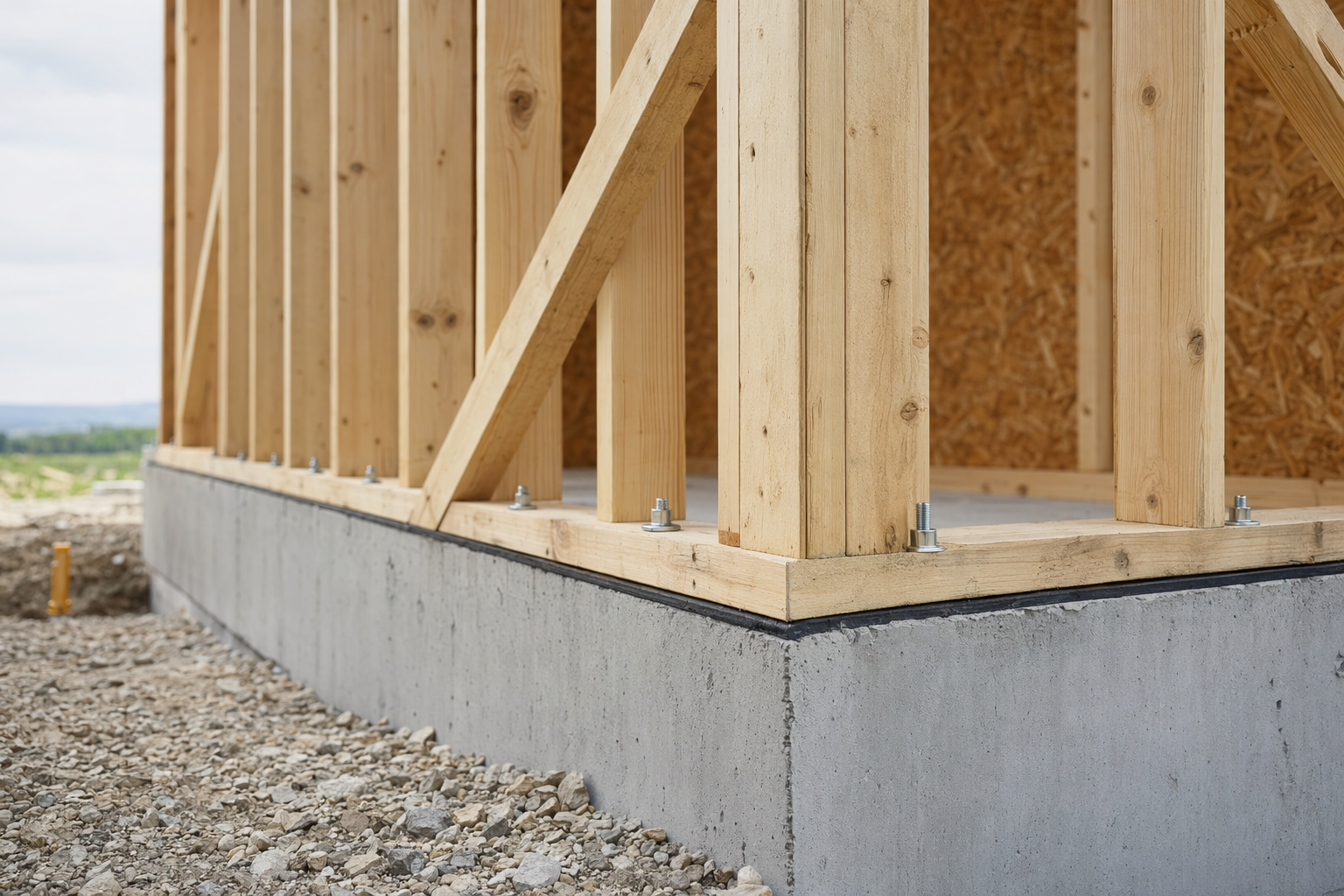
A permit may be required when retrofit work changes or adds structural connections, such as foundation anchorage, bracing, cripple wall work, hold-downs, or other reinforcement. In many areas, permit requirements are stricter when the work affects load paths, framing, or foundation attachments. Storm-related upgrades can also require permits, depending on the scope and local rules.
Some small repair items may be handled differently from a full retrofit, but homeowners should not guess. A licensed contractor can tell you what permit they believe is required, and your local building department can confirm the rule for your address.
Common situations where a permit may come up include:
- Foundation bolting or anchor installation
- Bracing or reinforcing short stud walls in a crawl space
- Adding hardware that connects framing to the foundation
- Replacing or altering structural members as part of the retrofit
Whether any of this applies to your home depends on an on-site assessment. BedrockMatch can help you get matched, free with local contractors so you can compare what each one says about permits.
When engineered plans may be requested
Not every retrofit needs custom engineered plans. In some cities, a contractor may be able to use a standard prescriptive detail or an established permit path for certain qualifying homes. In other cases, the building department may ask for plans stamped by a licensed engineer before issuing the permit.
Engineered plans may be requested when the home has unusual conditions, previous additions, mixed materials, visible settling, a complex foundation, steep-site conditions, or a scope that goes beyond a simple standard retrofit. If there are questions about the structure, a contractor may recommend that you ask a licensed engineer for an evaluation.
A few practical examples:
1. The house has been remodeled several times and the framing is hard to verify.
2. The crawl space is limited and access is difficult.
3. The planned work includes more than basic bracing or anchorage.
4. The local building department will not approve the proposed scope without calculations.
If grant funding is part of your plan, check whether you qualify and ask whether the program has documentation requirements. In California, some homeowners may qualify for the Earthquake Brace + Bolt grant, which can provide up to about $3,000 toward qualifying work.
What the permit process usually looks like
The process usually starts with a site visit. A contractor looks at the foundation, crawl space or basement, framing access, and any conditions that may affect scope. If engineering is needed, the contractor may coordinate with an engineer, or you may hire one separately.
After the scope is defined, someone prepares the permit application and supporting documents. That may include a written scope of work, drawings, product information, site photos, and contractor license information. The city or county reviews the application, asks questions if needed, and then issues the permit when the submittal is accepted.
Once the permit is issued, the work is scheduled. Inspections typically happen during the job and sometimes at the end. The exact number of inspections depends on local rules and the scope.
A typical flow looks like this:
1. On-site assessment
2. Scope and bid
3. Plans or standard details, if required
4. Permit application and plan check
5. Work is performed
6. Building department inspection and sign-off
Homeowners should ask who is responsible for each step. Do not assume the contractor is handling permits or engineering unless that is written clearly in the contract.
Typical costs, timelines, and paperwork
Costs vary by region, home type, and scope. As a typical illustrative range, permit fees for a straightforward retrofit may run from a few hundred dollars to over $1,500 in some areas, while engineering plans can range from several hundred dollars to a few thousand dollars when custom design is needed. Those are not promises or quotes for your home.
Timelines also vary. Some permits are issued relatively quickly, while others take several weeks or longer if plan review is backed up or revisions are requested. Engineering can add time, especially if site measurements, revised details, or extra review are needed.
Paperwork often includes:
- Contractor license details
- A written scope of work
- Plans or standard details, if required
- Permit application forms
- Inspection record or final sign-off
- Change orders if the scope changes after opening walls or entering the crawl space
If you are budgeting, ask for permit and engineering charges to be shown separately from construction labor and materials. If you are also wondering about possible insurance effects, read does retrofitting lower home insurance? for a careful overview. Savings, if any, are not guaranteed and depend on the insurer and policy.
How to compare bids that include permits or engineering
Two bids can look very different even when the work sounds similar. One contractor may include permit handling, engineering coordination, and inspections in the price. Another may exclude some or all of those items and list them as homeowner responsibilities. The lower number is not always the lower total cost.
Ask each bidder to break out the proposal in a way you can compare line by line. You want to know whether the scope, paperwork, and approval steps are actually the same.
Helpful items to compare:
- Is permit application included?
- Are permit fees included, estimated, or excluded?
- Are engineered plans included, allowed as an allowance, or excluded?
- Who responds to plan-check comments from the city?
- Who attends inspections or corrects inspection items if needed?
- What happens if hidden conditions change the scope?
You should also verify the contractor's license, bond, and insurance yourself. Before you choose, make sure the final written contract states who is responsible for permits, plans, inspections, repairs related to access, and any extra charges.
Questions to ask before you sign a contract
Before signing, slow the process down enough to make sure you understand the paperwork. A clear contractor will usually answer these questions in plain language and put the answers in writing.
Ask questions like:
1. Based on your site visit, do you think a permit is required for this scope?
2. If yes, who will prepare and submit the permit application?
3. Do you expect engineered plans will be required, and if so, who hires the engineer?
4. Are permit fees and engineering fees included in this price?
5. If the city asks for revisions, who pays for them?
6. How many inspections do you expect, and who coordinates them?
7. What hidden conditions could increase the price after work starts?
8. Will I receive copies of the permit, approved plans, and final inspection record?
If the answers are vague, ask for a revised written proposal before you sign. You can also review more homeowner resources in our guides.
Always verify a contractor's license, bond, and insurance, and confirm the scope and price in writing before any work starts.