What Seismic Retrofitting Means for a Homeowner
Seismic retrofitting means improving parts of a house so it is better connected and better supported during earthquake shaking. For a homeowner, it usually starts with learning what your home has now, then asking a licensed contractor or engineer to assess whether upgrades make sense for your specific house.
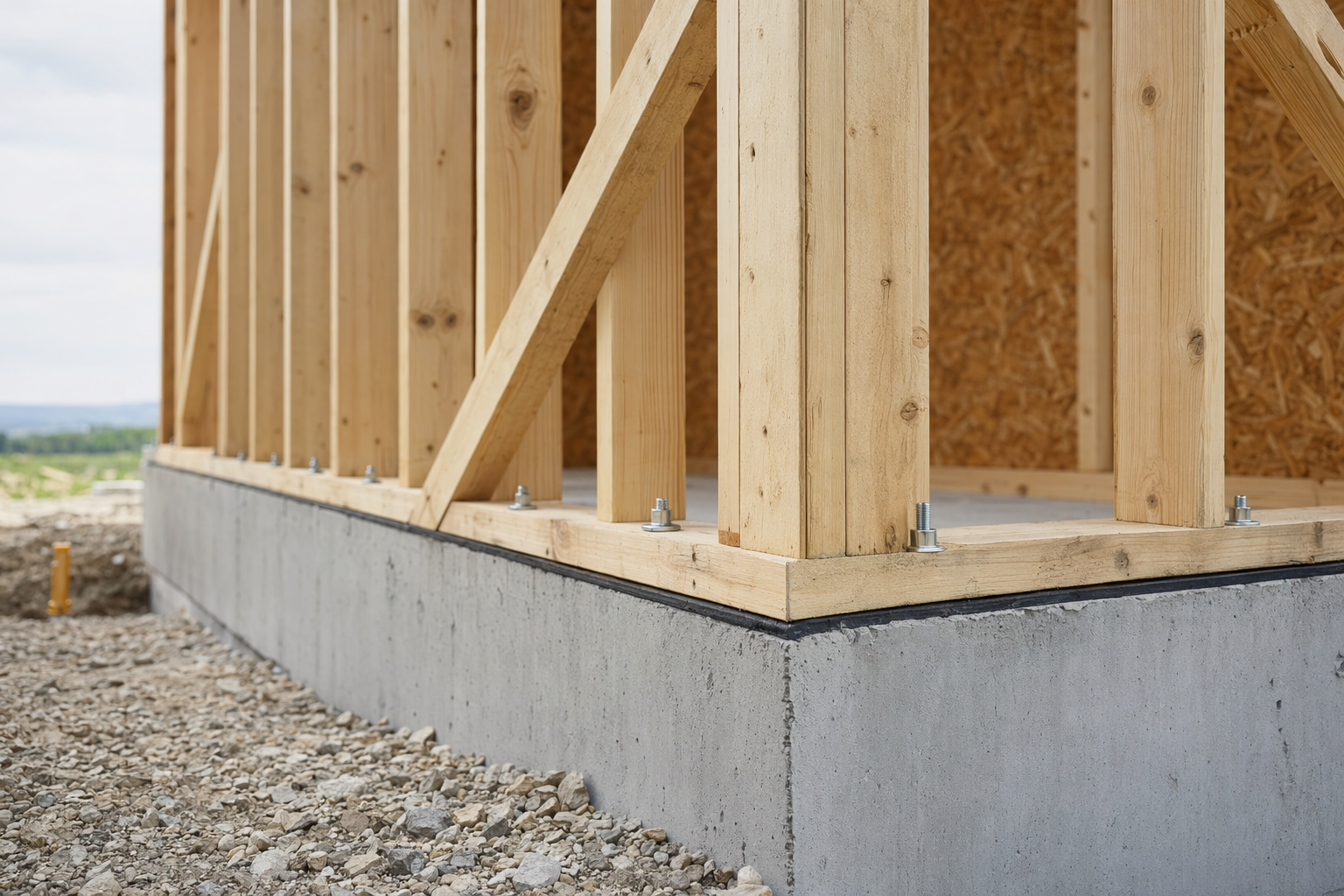
What seismic retrofitting is in plain language
Seismic retrofitting is work done to help a home hold together better during an earthquake. In simple terms, it often means strengthening the connection between the wood frame, the foundation, and other key parts so the house is less likely to shift out of place when the ground moves.
This is not one single repair and it is not the same for every house. A contractor may talk about bolting, bracing, reinforcing cripple walls, or other upgrades depending on the home's design, age, foundation type, and condition. Whether any of this applies to your property can only be confirmed after an on-site assessment.
For homeowners, the main practical question is usually: "What weak points does my house have, if any?" A licensed contractor or engineer can inspect the crawl space, foundation area, framing connections, and other visible conditions, then explain what options may be available.
If you are just starting, it can help to read more guides first and then get matched, free when you are ready to speak with local contractors.

Why older homes are often discussed in retrofit conversations
Older homes come up often because many were built before modern earthquake-focused practices became common in some areas. That does not automatically mean an older home needs retrofit work, and it does not mean a newer home has no weak points. It simply means age is one clue that a contractor may look at more closely.
In many older houses, the issue people talk about is not the whole house being "bad." It may be one or two specific connection points, such as how the house is attached to the foundation or whether a short wood-framed wall in the crawl space has enough bracing.
Homes are discussed case by case because construction varies a lot. Two houses built in the same year on the same street can still have different foundations, additions, repairs, or previous upgrades.
Common reasons a house gets flagged for a closer look include:
- older construction date
- raised foundation or crawl space
- unbraced cripple walls
- signs of past settling, moisture, or wood damage
- additions or remodels that changed the original structure
A licensed professional can tell you what they actually see at your home. BedrockMatch does not inspect homes or decide what work is needed.
Common types of seismic retrofit work homeowners may hear about
Homeowners often hear a few repeat terms in retrofit discussions. One common example is anchor or foundation bolting, which refers to adding or improving the connection between the house framing and the concrete foundation. Another is cripple wall bracing, which means strengthening short framed walls in a crawl space so they are less likely to rack or collapse during shaking.
Some homes may also need hardware, plywood panel reinforcement, hold-downs, or repairs to damaged wood before any retrofit can be completed. In other homes, a contractor may say that a different approach is more appropriate, or that further engineering review is needed.
Typical terms you may hear include:
1. foundation bolting
2. cripple wall bracing
3. sill plate repair or replacement
4. connector and hardware upgrades
5. limited framing reinforcement
These are examples, not a checklist for every house. A contractor can confirm whether they apply to your home after seeing the property in person. If you want a cost overview before meeting anyone, see this seismic retrofit cost guide.
How a contractor evaluates a home before suggesting options
A good contractor usually starts by looking at the home's basic structure rather than jumping straight to a price. They may inspect the crawl space, foundation walls, sill plate, access conditions, visible framing, and any signs of rot, termite damage, or past movement. They may also ask when the home was built, whether it has had additions, and whether there are existing plans or past permits.
The goal of this visit is to identify visible conditions and explain possible scopes of work. In some cases, the contractor may be able to propose a straightforward retrofit. In other cases, they may recommend that you ask a licensed structural engineer for plans or further review, especially if the home has unusual conditions, heavy damage, a steep slope, or a more complex foundation.
During an evaluation, homeowners can ask:
- What visible weak points do you see?
- What work are you recommending, and why?
- Is this based on a standard retrofit scope or do you suggest engineering?
- Are there repair items separate from the retrofit itself?
- What access, cleanup, and patching are included?
Ask for the proposed scope in writing. That makes it easier to compare bids fairly and avoid confusion later.
Typical costs, timelines, and what affects the price
Costs vary by region, home size, access, condition, and scope. As a typical illustrative range, some straightforward seismic retrofit projects may fall around a few thousand dollars, while more involved work can run higher if there is limited crawl-space access, damaged wood, engineering, permit complexity, or additional repairs. The only reliable number is the written estimate for your own house.
Price often changes based on practical site conditions, such as whether workers can move easily in the crawl space, how much hardware or plywood is needed, and whether old damage must be repaired first. Homes with additions, partial retrofits, or unusual foundations may also cost more.
Timelines are also variable. A simple job may take only a few working days once permits and scheduling are ready, while more complex work can take longer. Weather, inspection timing, and contractor availability can affect the calendar.
Factors that commonly affect price include:
- size and layout of the home
- crawl-space height and access
- foundation type and condition
- wood rot, termite damage, or moisture issues
- whether engineering is required
- permit fees and local inspection steps
- regional labor and material costs
For a broader overview of price ranges and what drives them, visit the seismic retrofit cost guide.
Permits, inspections, and questions to ask before hiring
Many retrofit projects require permits, but rules depend on your city or county and on the exact scope of work. The contractor should explain whether they expect permits, who will pull them, and whether inspections are part of the process. If engineering is needed, ask who provides the plans and whether that cost is included in the proposal.
Before hiring anyone, verify the contractor's license, bond, and insurance yourself. Also ask whether the written estimate clearly separates retrofit work from unrelated repairs, because that helps you understand what you are paying for.
Useful questions before signing:
- Will you pull the permit, if required?
- What exactly is included in the contract price?
- Are repairs, debris removal, and cleanup included?
- Will there be change-order charges if hidden damage is found?
- What inspection steps should I expect?
- What warranty, if any, applies to workmanship?
Keep copies of the contract, permit paperwork, scope, and final invoice. Homeowners should confirm scope and price in writing and keep control over who they hire.
How to compare estimates and check funding programs
When comparing estimates, do not look only at the bottom-line price. First check whether each contractor is bidding the same scope. One estimate may include permit handling, plywood, hardware, cleanup, and minor repairs, while another may leave some of those items out. A lower price is not always a better value if major items are missing.
It helps to compare bids side by side using a short checklist:
1. exact scope of work
2. permit responsibility
3. materials and hardware included
4. repair items excluded or included
5. timeline and payment schedule
6. whether engineering is required
You can also ask whether there are public programs that may help offset part of the cost. In California, some homeowners may qualify for the Earthquake Brace + Bolt grant, which can provide up to about $3,000 toward qualifying work. FEMA-related hazard-mitigation funding may also exist in some situations. These programs have rules and are not guaranteed, so check whether you qualify before relying on them. For more details, see the Earthquake Brace + Bolt grant guide.
If you want to speak with local contractors after doing your homework, you can get matched, free. BedrockMatch is a flat-fee matching service for contractors and does not take a percentage of your project cost.
Always verify a contractor's license, bond, and insurance, and confirm the scope and price in writing before any work starts.