Seismic Retrofit Cost Guide: What Homeowners Should Expect
Seismic retrofit costs can vary a lot, so most homeowners want to know what they may be paying for before they call anyone. This guide explains the usual parts of an estimate, typical price ranges, and how to compare bids, while keeping in mind that only an on-site assessment can confirm what applies to your home.
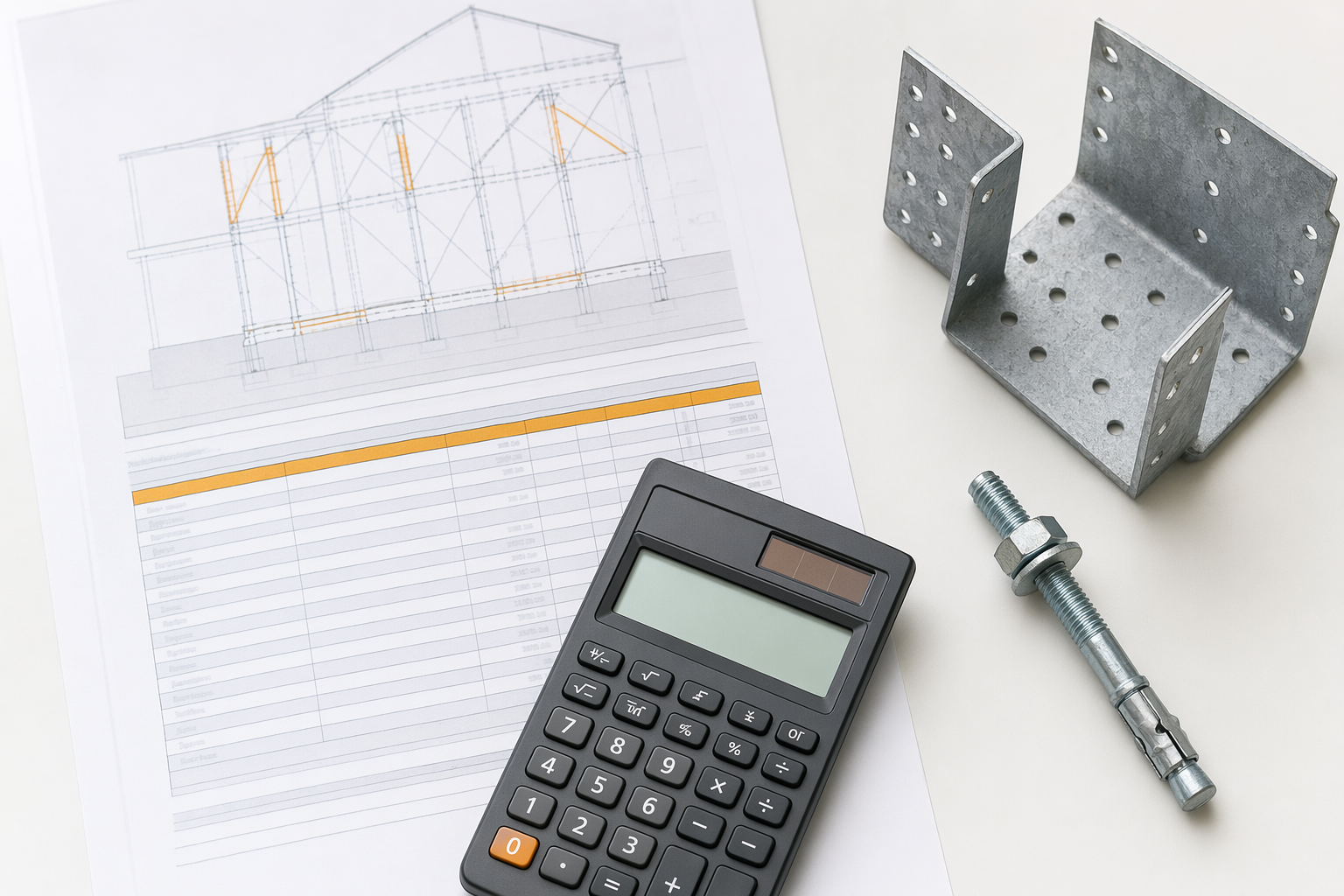
What a seismic retrofit cost estimate usually includes
A seismic retrofit estimate is usually more than one line with a total price. In many cases, it includes labor, materials, basic hardware, and the contractor's time to access the crawl space or perimeter, measure conditions, and explain the proposed work.
For homes that may be good candidates for common upgrades such as foundation bolting, bracing short cripple walls, or adding approved connectors, the estimate often separates the work into parts. That makes it easier to see what you are paying for and compare one bid to another.
A clear estimate may include:
- the scope of work the contractor proposes
- materials and hardware
- labor
- permit or plan costs, if needed
- cleanup and debris disposal
- any repair work tied to existing damage or access issues
If you are still figuring out whether retrofit work may apply to your house, start with a general overview like how to tell if your home needs a retrofit. A contractor or licensed engineer can confirm the right scope only after seeing the home in person.

Typical price ranges for common retrofit scenarios
Prices vary by region, contractor, access, and the condition of the home, so these are typical illustrative ranges, not promises. A simple project on a smaller home with good access may cost much less than a larger home with damage, tight crawl space conditions, or added repair needs.
For a straightforward wood-frame home with a raised foundation, homeowners may hear rough starting ranges such as:
- basic foundation bolting or anchor work: about $3,000 to $7,000
- bolting plus bracing of a short cripple wall: about $5,000 to $15,000
- more involved work with repairs, added connectors, or difficult access: $10,000 to $25,000+
Some homes fall outside these ranges. For example, hillside homes, homes with additions, older foundations in poor condition, or homes needing masonry or concrete repair can cost more. If the home has unusual framing or signs of past movement, a licensed engineer may need to prepare plans before a contractor can price the work accurately.
The best way to turn a rough range into a useful number is to get site-specific bids. You can get matched, free with local contractors, then compare written scopes instead of guessing from internet averages.
What can make the price go up or down
The same type of retrofit can cost very different amounts from one house to another. The biggest cost drivers are usually the size of the home, how easy it is to reach the work area, and whether the contractor finds damage or conditions that need repair before retrofit hardware can be installed.
Costs may go up when:
- crawl space access is very tight or unsafe
- the foundation shows cracking, moisture damage, or deterioration
- old framing needs repair before bracing can be added
- the home has multiple levels, additions, or an irregular layout
- permits, plans, or engineering are required
Costs may stay lower when the home has a simple layout, a raised foundation, good crawl space access, and no major repair issues. In some cases, homeowners save money by handling small preparation steps themselves, such as clearing storage around access points, but you should ask the contractor what they want done and what should be left alone.
Be careful with very low bids. A low number is not always a bargain if important items are missing, if permit costs are excluded, or if the scope is too vague to show what will actually be installed.
How foundation type, access, and condition affect cost
Foundation type matters because it affects what work is practical and how long it takes. Many retrofit conversations focus on homes with a raised foundation and crawl space, where contractors may install anchor bolts, plywood bracing, or other approved connectors if the home and foundation are suitable. A slab-on-grade home may involve a different approach, and in some cases the work may be limited or not typical for a standard retrofit package.
Access also changes price. A crawl space with enough room to move and work safely is faster and less labor-intensive than a very low crawl space with pipes, ductwork, or debris in the way. If crews need extra digging for access, moisture control, or temporary supports, labor costs may increase.
Condition is just as important. If the sill plate, framing, or concrete is damaged, the contractor may need to repair those areas before any strengthening work can be attached properly. That is why online price lists can only be rough guides. The actual scope depends on what is visible once a qualified professional inspects the home.
If you want more background before collecting bids, browse other homeowner resources in our guides. They can help you understand terms, but they do not replace an on-site assessment.
Permits, plans, and other fees homeowners may see
Many homeowners focus on the construction number and forget the extra line items that can appear around the job. Depending on your city, county, and the type of work proposed, you may see permit fees, plan preparation, engineering review, inspection coordination, and documentation costs.
Common extra costs may include:
- building permit fees
- engineering plans or calculations, if required
- city or county inspection fees
- concrete or framing repairs discovered during the work
- pest, moisture, or drainage corrections that are outside the retrofit scope
Some contractors include these items in one total price, while others list them separately. Neither format is automatically better, but you should ask what is included and what is not. If engineering is needed, ask whether that cost is part of the bid or billed separately by a licensed engineer.
If you are in California, check whether you qualify for help through the Earthquake Brace + Bolt grant guide. Programs and eligibility can change, and not every home qualifies, but it may help offset part of the cost for eligible work.
How to compare contractor bids without guessing
Try to compare scope to scope, not just total to total. One bid may look cheaper because it excludes permits, repairs, disposal, or hardware details. Another may be higher because it includes engineering coordination or a broader repair allowance.
When you review bids, look for these basics:
1. A written description of the proposed work
2. The materials or hardware being installed
3. Whether permits are included
4. Whether repair work is included or only listed as possible extra cost
5. Estimated schedule and payment terms
6. Warranty information, if any, in writing
It also helps to ask each contractor the same questions. For example: What conditions could change the final price? What is excluded? Will you photograph the work area before and after? Can you explain why this scope fits my home? A contractor should be able to answer in plain language.
Before you sign anything, verify the contractor's license, bond, and insurance yourself, and make sure the final scope and price are in writing. You stay in control of who you hire and whether you move forward.
Ways to budget for the work and check for assistance
If retrofit work is recommended after an on-site assessment, homeowners often pay using savings, a home-improvement loan, or a broader repair budget when combining the work with foundation repair, drainage improvements, or other updates. The right approach depends on your finances, timeline, and the amount of work actually proposed.
A few practical budgeting steps can help:
- get two or three written bids with similar scope
- ask which items are required now and which may be optional or separate
- confirm whether repair contingencies could increase the total
- ask about payment timing instead of assuming all money is due upfront
You can also check whether public assistance programs may apply. In California, some homeowners may qualify for Earthquake Brace + Bolt assistance, and in some areas there may be FEMA-related hazard-mitigation programs. Check whether you qualify, but do not count on funding until you confirm eligibility, timing, and rules.
Choosing a contractor is not only about price. Ask direct questions before deciding: How often do you do this kind of work? What permits do you expect? What conditions might change the scope? Will all terms be written clearly before work starts? Those answers can matter as much as the number at the bottom of the page.
Always verify a contractor's license, bond, and insurance, and confirm the scope and price in writing before any work starts.