A Homeowner’s Guide to Hurricane and Wind Retrofits
Strong wind can damage a house by finding its weakest connection points, from the roof down to the foundation. This guide explains the upgrades homeowners often hear about, what they typically cost, and how to compare contractors without guessing.
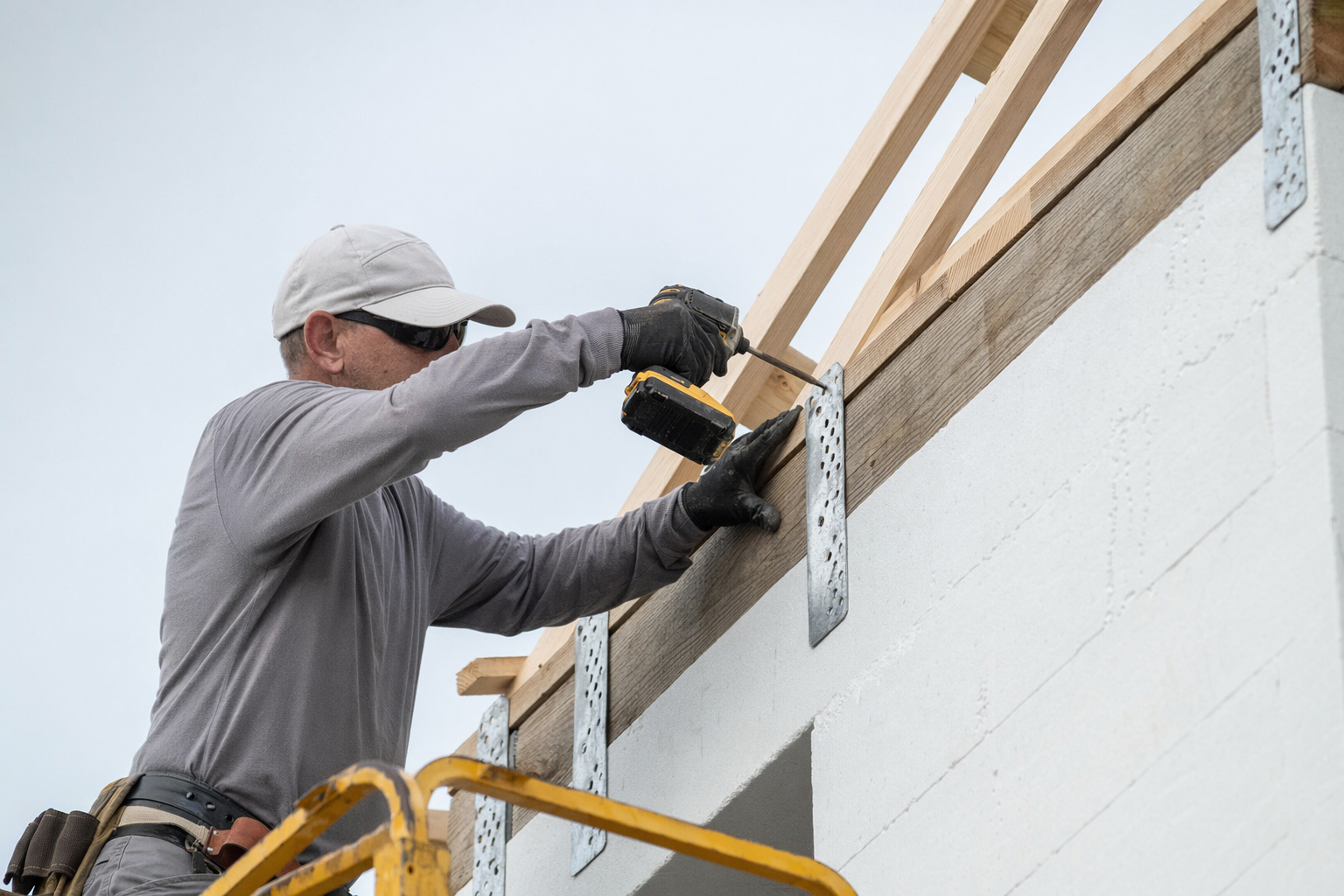
How wind retrofits help protect a home
A wind retrofit is a group of improvements that help the main parts of a house stay better connected during high winds and wind-driven rain. The idea is simple: roof, walls, floors, openings, and foundation should work together so one weak area is less likely to lead to bigger damage.
Contractors often describe this as improving the home's load path, meaning the way wind forces travel through the structure. That can include stronger roof fastening, added connectors, better attachment at wall and floor framing, and protection at openings such as garage doors or windows. Which upgrades make sense depends on the home's age, design, roof shape, local weather exposure, and current condition.
Not every house needs the same work. A licensed contractor or engineer can confirm what applies after an on-site assessment. If you are still learning about retrofit options in general, our full guides hub can help you compare topics before you request bids.

Common weak points contractors often check
When a contractor evaluates a home for hurricane or wind retrofit work, they usually look for places where wind can lift, push, or pull materials apart. Older homes may have fewer connectors than newer homes, and even newer homes can have wear, water damage, or past repairs that affect performance.
Common areas they may inspect include:
- Roof covering condition and how the roof deck is attached
- Roof-to-wall connections, including clips or straps where visible or accessible
- Gable ends and other wall areas that may need added bracing
- Garage doors, entry doors, and large openings
- Windows, shutters, and other opening protection options
- Soffits, vents, and places where wind-driven rain can enter
- The condition of anchors and framing connections lower in the house
A contractor may also ask about prior storm damage, leaks, or remodeling. That matters because hidden damage can change the recommended scope. If your home has unusual framing, additions, or older permit history, you may also want to read about retrofit permits and engineering plans, since some projects need plans or extra review.
Popular retrofit upgrades homeowners may hear about
Homeowners often hear about a few common upgrade categories. One is improving roof attachment, which can include re-nailing or otherwise reinforcing the roof deck when appropriate. Another is adding or upgrading roof-to-wall connectors so the roof framing is better tied into the walls below.
Opening protection is another common category. Depending on the home, a contractor may discuss impact-rated products, shutters, stronger door hardware, or garage door reinforcement. In some cases, contractors also recommend bracing for gable ends or improvements that help reduce water intrusion around vulnerable edges and penetrations.
You may hear about upgrades such as:
- Roof deck fastening improvements
- Hurricane clips or straps at roof framing connections
- Gable-end bracing
- Garage door reinforcement or replacement
- Window or opening protection systems
- Improvements to soffits, vents, and flashing details
These are examples, not a checklist for every house. A licensed local contractor can confirm what is practical for your home and budget after seeing the property. Some homeowners also ask whether earthquake work and wind work overlap; sometimes planning overlaps, but the scope is different. If your home has other structural concerns, you can get matched, free to talk with local contractors.
Typical cost ranges and what affects price
Costs vary a lot because wind retrofit work is usually a package of smaller or larger upgrades, not one standard job. As a typical illustrative range, some homeowners may spend a few thousand dollars on targeted improvements, while broader projects that involve roofing work, multiple openings, or major connector upgrades can run into the tens of thousands. The real price depends on the home, region, materials, access, and whether repairs are needed first.
A few examples of what can affect price:
- Home size and number of stories
- Roof shape, slope, and material type
- Whether work is easier during a roof replacement
- Number of garage doors, windows, or large openings
- Hidden damage, rot, or moisture problems found during the job
- Permit, engineering, and inspection requirements in your area
Ask each bidder to separate base scope from optional items. That makes it easier to compare prices line by line instead of comparing one big number to another. If a contractor mentions grants or incentive programs, treat them as possible help, not a promise. For earthquake work, California's Brace + Bolt program may help some homeowners pay for qualifying retrofits, and FEMA hazard-mitigation programs may sometimes apply to certain hazard-reduction projects. Check whether you qualify and confirm current rules directly with the program.
How to compare bids and ask better questions
A good bid should clearly describe what the contractor plans to do, what materials or connectors are included, who handles permits, and what is excluded. The lowest bid is not always the best value if the scope is vague or leaves out important items that may later become change orders.
When you compare estimates, ask each contractor the same questions:
- What exact weak points did you find on-site?
- Which upgrades are included in the base price?
- What optional work do you recommend, and why?
- Will permits or engineering be required for this scope?
- What could change the price after work begins?
- How will you document the completed work?
It also helps to ask for the payment schedule, expected start date, estimated duration, and cleanup responsibility. Get the final scope and price in writing before work starts. The homeowner keeps control over who to hire, and you should verify the contractor's license, bond, and insurance yourself.
Permits, timing, and preparing for the project
Some wind retrofit projects are simple, while others require permits, product approvals, or engineering. Requirements vary by city, county, and the exact scope. A licensed contractor can tell you what is commonly required locally, and your building department can confirm the current rules.
Timing often depends on roofing schedules, weather, permit review, and product lead times. If the work involves the roof or exterior openings, many homeowners prefer to plan before storm season instead of waiting for an emergency repair. If your project needs drawings or a permit package, that usually adds time at the front end. Our guide to retrofit permits and engineering plans explains the process in plain language.
Before work starts, ask how to prepare the home. You may need to move cars, clear attic access, protect items near garage walls, or plan for noise and short periods when parts of the exterior are open. If you work from home or have tenants, discuss the schedule early so everyone knows what to expect.
How to choose a licensed local contractor
Choose a contractor who regularly works on wind or storm-related retrofits in your area, not just general repairs. Local experience matters because materials, permitting, inspection practices, and common house types can differ a lot from one region to another.
Before you sign, take a few practical steps:
- Verify license status with your state licensing board
- Confirm bond and insurance directly, not only from a business card or ad
- Ask whether the company uses employees, subcontractors, or both
- Review the written scope, payment terms, and warranty language carefully
- Make sure permit responsibility is clearly listed in the contract
You do not need to figure this out alone. BedrockMatch is a free matching service for homeowners, and participating contractors pay a flat fee to be introduced. You keep the choice of who to speak with and who to hire. If you want to compare local options, you can get matched, free.
Always verify a contractor's license, bond, and insurance, and confirm the scope and price in writing before any work starts.