How do I prepare my home for a hurricane?
Hurricane preparation usually starts with the parts of the home most exposed to wind and rain. A simple walk-around, basic maintenance, and a licensed contractor’s on-site assessment can help you decide what makes sense for your home.
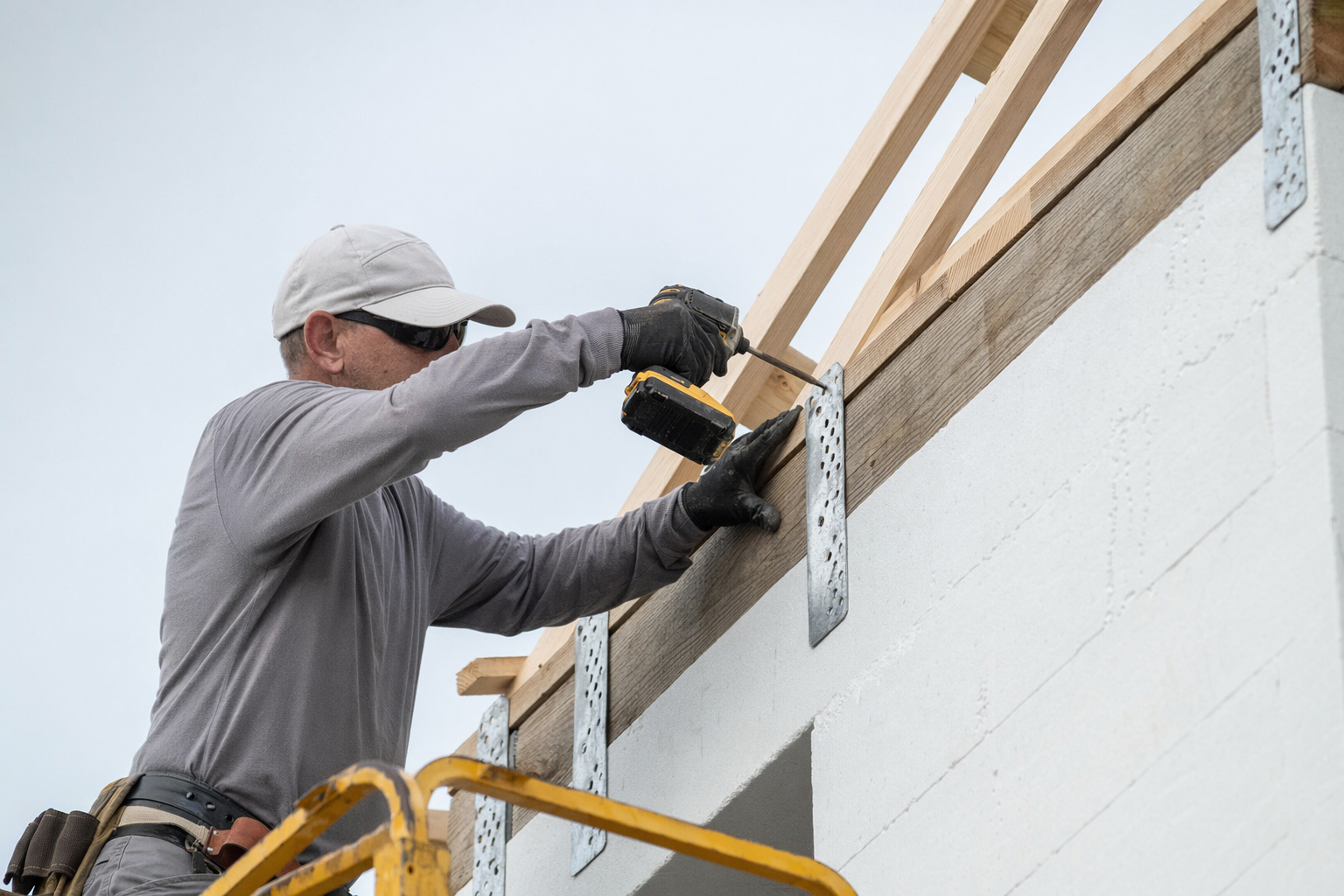
Start with the biggest exterior weak points
Begin outside and look for places where wind or water could get in first. Common areas homeowners check are loose roofing materials, damaged siding, gaps around openings, and anything that looks rotten, cracked, or poorly attached.
Also look at the connection points between major parts of the house, such as the roof edge, porch covers, attached carports, and exterior stairs or railings. Whether any repair or retrofit work applies to your home depends on its age, design, condition, and local wind exposure, so a contractor can confirm what is worth addressing after an on-site visit.
A practical first checklist:
- Pick up or tie down loose exterior items
- Note visible damage with photos
- Clear obvious debris near doors, vents, and drains
- Write down questions before speaking with a contractor
If you want help finding a local pro, you can get matched, free.

How windows, doors, and the roof are commonly checked
Windows and doors are commonly checked for cracked panes, worn seals, loose frames, damaged weatherstripping, and hardware that does not close firmly. Garage doors also matter because large openings can be vulnerable in strong wind if the door, tracks, or framing are weak.
For the roof, homeowners often look for missing or lifted shingles, rusted flashing, soft spots, clogged valleys, and loose soffits or fascia. If water has already stained ceilings or attic areas, that is worth documenting too.
A licensed contractor may recommend repairs or upgrades based on what they see on site. BedrockMatch cannot tell you which specific improvement your home needs, but a contractor can explain the scope, expected steps, and whether related work is needed first.
If language is a concern, see how do I find a retrofit contractor who speaks my language?.
What to do in the yard, garage, and around outdoor items
Outdoor items can become hazards during a storm. Patio furniture, grills, potted plants, trash bins, ladders, and tools should be stored inside or secured before severe weather arrives. Trim dead branches if you can do so safely, and keep tree limbs away from the roof when possible.
In the garage or shed, organize chemicals, fuel, and heavy tools so they will not tip or spill. If you have a generator, store it safely and follow the manufacturer's instructions. Never run a generator indoors or in an attached garage.
Quick tasks that often help:
1. Bring in loose yard items
2. Move valuables off the floor in the garage
3. Check fences and gates for loose sections
4. Make sure outdoor drains are not blocked
These are good maintenance steps, but they do not replace a professional assessment if you have signs of damage or long-deferred repairs.
Simple steps to help with water entry and drainage
Water causes a lot of storm damage even when wind damage looks minor. Clean gutters, downspouts, and nearby drains so water can move away from the house. If you can do it safely, make sure downspouts discharge away from the foundation and that leaves or mud are not blocking flow.
Check around doors, windows, vents, and utility penetrations for visible gaps or failed sealant. Indoors, move important items off the floor in areas that have leaked before, and know where your main water shutoff is.
If your property has repeated drainage problems, standing water, or past flooding, ask a licensed contractor to look on site. They can tell you what maintenance, repair, or drainage work may be appropriate. Costs vary widely by home and scope, so any online price range is only illustrative. For general budgeting context, you can read how much does a seismic retrofit cost, but hurricane-related work may involve different materials and pricing.
How to get your family supplies and documents ready
Home preparation is not only about the building. It also helps to get your family ready in case you need to shelter in place or leave quickly.
A basic supply plan often includes:
- Water and shelf-stable food
- Medications and a simple first-aid kit
- Flashlights, batteries, chargers, and cash
- Pet supplies if needed
- Copies of IDs, insurance papers, and home records
Keep photos or video of each room, plus the exterior, in case you need records later. Store digital copies of important documents where you can access them away from home. If English is not your first language, write your emergency contacts and key information in the language that is easiest for your household.
When to ask a licensed contractor for an on-site assessment
Ask for an on-site assessment if you see active leaks, roof damage, soft or rotted exterior materials, loose doors or windows, recurring water intrusion, or damage after a recent storm. This is especially important if your home is older or if a previous repair was never completed.
A licensed contractor can inspect conditions in person and explain what repairs or retrofit options may fit your home. If engineering is needed, ask whether a licensed engineer should be involved. BedrockMatch is a matching service, not a contractor or engineer, so we do not diagnose homes or recommend a specific fix.
You can also ask whether any public program or mitigation funding may apply in your area. For other hazards, programs such as California's Earthquake Brace + Bolt and some FEMA mitigation grants may help eligible homeowners pay part of qualifying work, so check whether you qualify. Availability and eligibility depend on the program and your property.
How to compare estimates and verify license, bond, and insurance
When you get estimates, ask each contractor to describe the scope in writing. The lowest price is not always the best value if materials, preparation, cleanup, permits, or warranty terms are different.
Compare estimates line by line:
- What work is included and excluded
- Materials and product details
- Estimated schedule
- Permit responsibility, if required
- Payment timing and change-order process
Before hiring anyone, verify the contractor's license, bond, and insurance yourself with the appropriate state or local sources, and ask for proof. Make sure the final contract clearly states the scope, price, and who is responsible for any follow-up items. If you want a starting point, visit Help or get matched, free.
Always verify a contractor's license, bond, and insurance, and confirm the scope and price in writing before any work starts.