How much does a seismic retrofit cost for a home?
For many homes, a seismic retrofit costs a few thousand dollars, but the real price depends on the house, foundation, access, and what a licensed contractor finds on site. This page gives typical ranges so you can budget and ask better questions before you choose who to hire.
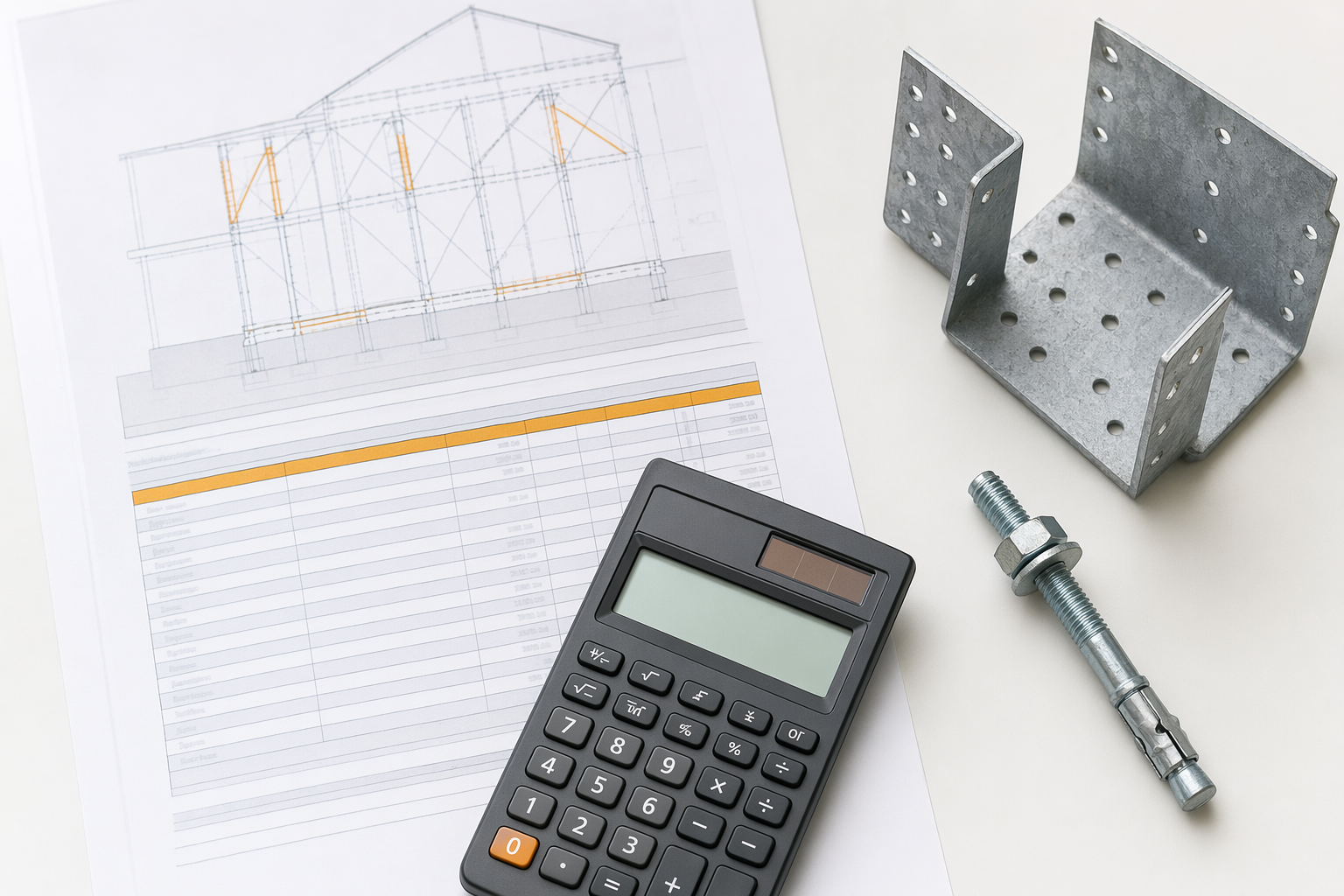
Typical seismic retrofit cost ranges for homes
A typical illustrative range for a basic residential seismic retrofit is about $3,000 to $10,000+, depending on the home, region, and scope. Smaller jobs with good access may land near the lower end. Older homes, taller cripple walls, limited crawlspace access, or added repair work can push the price higher.
Many bids are built from a few common pieces of work, such as foundation bolting and cripple wall bracing. Some homes may need only one of these items, while others may need a broader scope. Whether this work applies to your home can only be confirmed after an on-site assessment by a licensed contractor or engineer.
If you are just starting, use ranges as a planning tool, not a promise. Two homes on the same street can price very differently because of age, layout, foundation condition, and permit requirements.

What can make the price go up or down
The biggest cost drivers are usually the size and layout of the house, how easy it is to reach the work area, and how much labor the crew needs to safely complete the job. A house with a tight crawlspace, uneven floor framing, or blocked access often costs more than a house with open access and a simple foundation line.
Other common price factors include:
- home size and foundation perimeter
- crawlspace height and working conditions
- number of anchor bolts, plates, and connectors needed
- condition of existing wood and concrete
- local labor rates, permit fees, and inspection requirements
- whether finish materials must be removed and restored
A contractor can confirm what affects your home after looking at the site. If you are comparing bids, ask each company to explain why their price is higher or lower so you are comparing scope, not just totals.
Common retrofit items that may appear in a bid
A seismic retrofit estimate may include several line items. The exact list depends on the house and on what the contractor or engineer finds during the inspection.
Common items include:
- anchor or expansion bolts to connect the wood framing to the foundation
- sill plate hardware and washers
- plywood bracing for cripple walls
- framing connectors, hold-downs, or other approved hardware
- permit and inspection coordination
- debris removal and basic cleanup
Some bids bundle everything into one total, while others break out materials, labor, permit costs, and optional repairs. If the estimate is hard to read, ask for a simpler version in plain language. You can also review more homeowner cost topics in our help center.
When extra repairs or upgrades can add cost
Retrofit work sometimes uncovers conditions that were not obvious before the crew opened access or got into the crawlspace. For example, there may be rot, moisture damage, termite damage, cracked concrete, or previous work that does not match the current plan. Those items can add cost because they must be repaired before or during the retrofit.
Other upgrades may be optional rather than required. A homeowner might choose to improve drainage, replace damaged vents, or do related crawlspace work while the area is already open. That can be efficient, but it changes the budget.
Ask the contractor to separate base retrofit cost from possible extra repair cost. It also helps to ask what conditions could trigger a change order and how pricing for added work will be approved in writing before anything extra starts.
How to compare estimates without missing key details
The lowest number is not always the best value if the scope is unclear. A clear estimate should say what work is included, what is excluded, who handles permits, and what happens if hidden damage is found.
When you compare bids, check these points:
- exact scope of work and hardware planned
- permit responsibility and inspection process
- cleanup, patching, and access restoration
- allowance for change orders or unexpected repairs
- payment schedule and estimated timeline
- license, bond, and insurance information
You stay in control of who to hire. Before signing, verify the contractor's license, bond, and insurance yourself, and make sure scope and price are confirmed in writing. If you want to speak with local companies, you can get matched, free.
Ways to check for grants or other financial help
Some homeowners may qualify for outside help, but funding is never guaranteed. In California, you can check whether you qualify for the Earthquake Brace + Bolt program, which may offer up to about $3,000 toward certain qualifying retrofits. In some areas, FEMA-related hazard-mitigation funding may also exist through local or state programs.
A good first step is to ask the contractor whether your home type may fit a known program and then verify details with the program itself. You can also check city, county, or state websites for current rules, deadlines, and income or location requirements.
If a grant applies, ask how the work must be documented and whether the contractor has experience following that process. Even then, plan your budget carefully until you confirm you qualify and receive written program information.
Questions to ask a local contractor before you decide
Before you choose a contractor, ask direct questions in plain language. A careful contractor should be able to explain the proposed work, the likely timeline, and any limits of the estimate without pressuring you.
Useful questions include:
- What exactly are you proposing to do at my home?
- What did you see on site that led to this scope?
- Does this price include permits, inspections, and cleanup?
- What extra conditions could raise the price later?
- Will you provide the full scope and payment schedule in writing?
- Who should I contact if I have questions during the job?
If answers are vague, keep looking. It is reasonable to get more than one estimate, especially when scope differs. The goal is not to find a promised outcome, but to understand the work, the price, and your choices clearly.
Always verify a contractor's license, bond, and insurance, and confirm the scope and price in writing before any work starts.