How much does a soft-story retrofit cost for a home or building?
Soft-story retrofit costs can vary a lot because the price depends on the building’s size, layout, existing condition, and what a licensed contractor or engineer finds on site. For many homeowners and small building owners, the most useful starting point is to understand the common cost ranges and what should be listed in the bid.
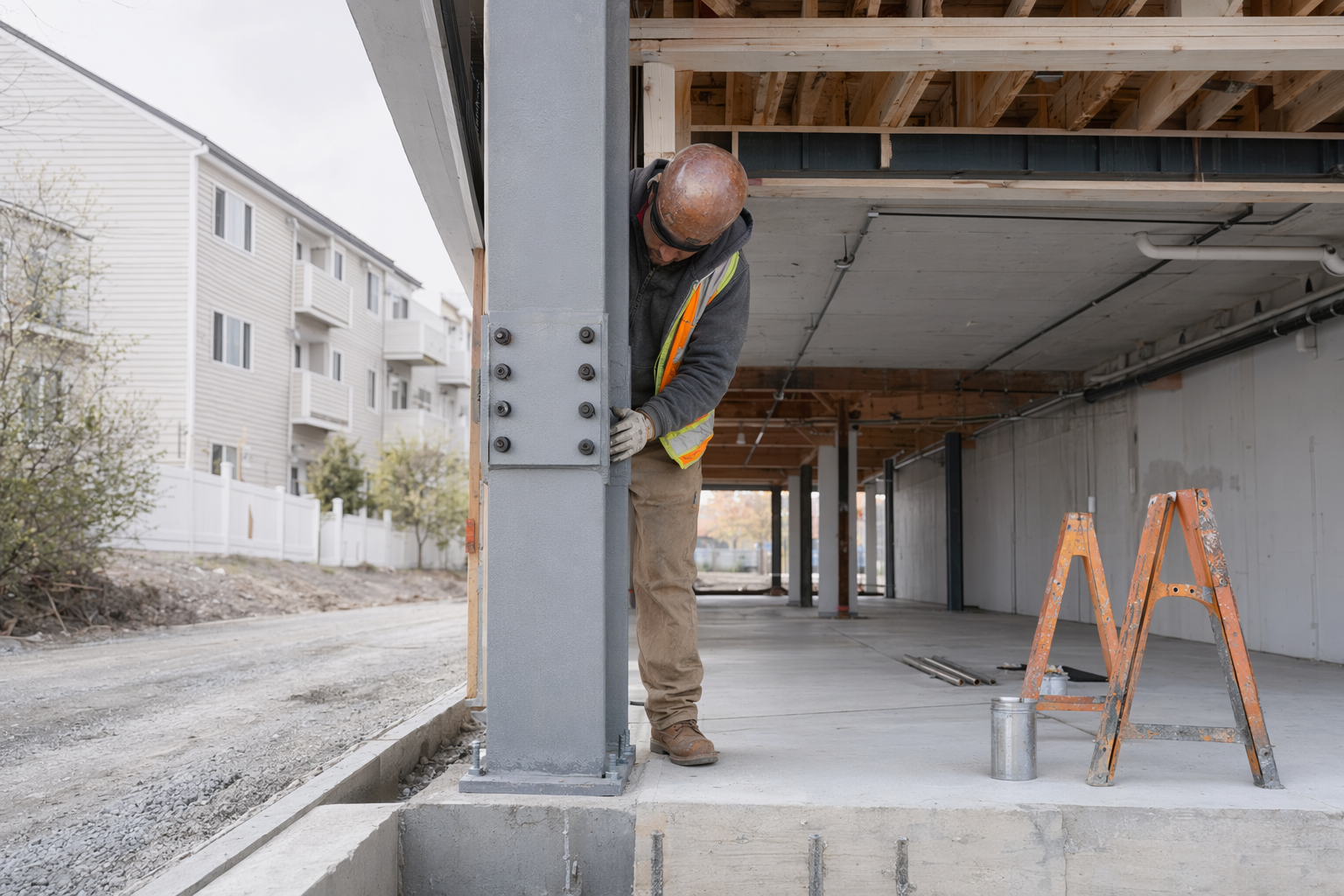
Typical soft-story retrofit cost ranges
A typical illustrative range for a soft-story retrofit is often from about $15,000 to $60,000+ for smaller residential properties, with larger or more complex buildings sometimes costing more. The final number depends on the home or building, the city, the permit process, and the type of strengthening a contractor or engineer recommends after an on-site assessment.
In many cases, the lower end applies to simpler layouts with easier access and less added structural work. The higher end is more common when the open lower level needs major reinforcement, when finishes must be removed and repaired, or when engineering and permit requirements are more involved.
If you are not sure whether your property even fits the definition of a soft-story condition, ask a licensed contractor or structural engineer to evaluate it in person. If your concern is a different type of earthquake work, you may also want to read what is foundation bolting.

What makes the price go up or down
The biggest cost drivers are usually how much reinforcement is needed and how hard the work is to install. A contractor is pricing labor, materials, access, equipment, and the time needed to coordinate permits and inspections.
Common factors that can change the price include:
- how open or weak the lower level is
- whether new steel frames, posts, beams, or plywood shear walls are needed
- the condition of the existing framing and foundation
- how easy it is to reach the work area
- local labor and permit costs
- whether electrical, plumbing, or finish work must be moved and restored
Older buildings can cost more if hidden issues appear after walls or ceilings are opened. That does not always happen, but it is smart to ask each bidder how they handle change orders and unexpected repairs.
How building size and layout affect cost
Size matters, but layout matters just as much. A smaller building with a very open parking level may need more concentrated strengthening than a larger building with more existing walls and better load paths.
Features that often affect price are:
- Number of stories and units
- Width of open garage or parking openings
- Whether the work is at the front only or in multiple areas
- Ceiling height and access for equipment
- Need to protect occupied spaces during construction
For single-family homes, this kind of work is less common than simpler seismic improvements, but some hillside, tuck-under garage, or specially designed homes may still need an evaluation. Whether it applies to your property can only be confirmed with an on-site assessment.
What may be included in a contractor bid
Bids do not always include the same items, so two prices can look far apart even when the contractors are proposing similar work. Ask for a written scope that explains exactly what is included, what is excluded, and what could change the cost later.
A bid may include:
- demolition or opening walls
- structural hardware, steel, anchors, or shear wall materials
- labor for installation
- basic site protection and cleanup
- inspection coordination
- patching of some removed finishes
A bid may not include engineering, permit fees, plan revisions, painting, flooring replacement, stucco repair, or utility relocation unless those items are clearly listed. Before you sign anything, confirm the full scope and total price in writing, and verify the contractor's license, bond, and insurance yourself. If you want to compare local options, you can get matched, free.
Permit, engineering, and repair costs to ask about
These extra costs can be substantial, so ask about them early. Some projects need structural plans and calculations from a licensed engineer, plus city permit fees and inspection steps that are separate from the construction price.
Ask each bidder these practical questions:
- Is engineering included, or separate?
- Are permit fees included, or estimated only?
- What finish repairs are included after the structural work?
- If hidden damage is found, how will extra work be priced and approved?
- Will the property remain occupied during the work?
It can also help to ask for an estimated schedule, because time affects temporary parking, access, and tenant or household disruption. If your main concern is storm protection rather than earthquake retrofit, a separate guide like how much do hurricane straps cost may be more relevant.
How to compare estimates without getting overwhelmed
Start by comparing scope before price. A lower number is not always the better value if it leaves out engineering, permit handling, finish repair, or important parts of the strengthening plan.
A simple way to compare bids is to make a checklist with these columns:
- structural work proposed
- engineering included or not
- permit handling included or not
- finish repairs included or not
- allowance for unknown conditions
- estimated start and completion timing
- payment schedule
If two estimates are very different, ask each contractor to explain the reason in plain language. You stay in control of who to hire, and it is reasonable to ask questions until the scope is clear. For more general homeowner answers, you can also browse help topics.
When to ask whether grants or local programs apply
Ask about financial help before you commit, especially in cities or states with active seismic safety programs. Some public programs may help with certain retrofit work, but availability changes and eligibility rules can be strict.
For example, California’s Earthquake Brace + Bolt program may offer up to about $3,000 toward qualifying seismic retrofit work for some homes, and some FEMA-supported hazard-mitigation programs may also exist in certain areas. These programs do not apply to every property or every type of retrofit, so the safe approach is to check whether you qualify.
A contractor or local building department may be able to point you toward current programs, but confirm the details directly with the program administrator. Do not assume a grant will cover the work unless you have written approval.
Always verify a contractor's license, bond, and insurance, and confirm the scope and price in writing before any work starts.