How much does cripple wall bracing cost for a home?
Cripple wall bracing is often priced as part of a seismic retrofit, but the cost can vary a lot from one house to another. The only reliable way to know whether it applies to your home, and what it may cost, is an on-site assessment by a licensed contractor or engineer.
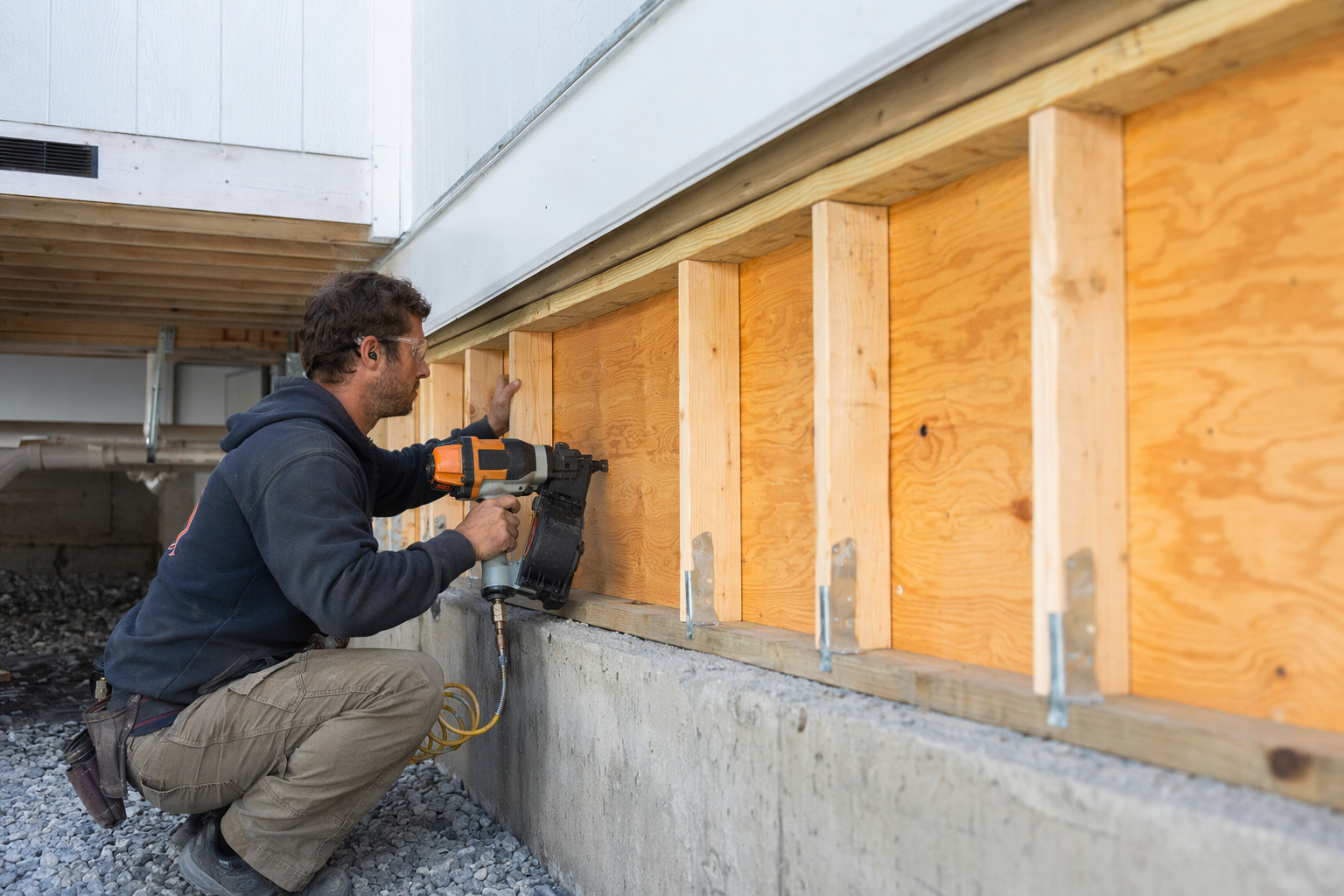
Typical cost range for cripple wall bracing
For many wood-frame homes, a typical illustrative range for cripple wall bracing work is about $3,000 to $10,000+. Some smaller, simpler jobs may fall below that, while larger homes, difficult access, or added foundation work can push the price higher.
A quote may be lower if the crawl space is easy to reach and the work area is short and straightforward. It may be higher if the home has a tall cripple wall, a long perimeter, signs of past damage, or other retrofit items that need to be done at the same time.
If you are budgeting for a broader retrofit, it can help to compare this with other common projects, like soft-story retrofit cost or hurricane strap cost. But for your own home, treat all numbers as examples until a contractor measures the actual conditions.

What changes the price from one home to another
The main cost drivers are usually the size of the house, the height and length of the cripple wall, and how easy it is for workers to get into the crawl space. Labor time matters a lot. A tight, damp, cluttered, or low crawl space can take much longer to work in.
Other things can also affect price:
- Whether the framing is in good condition or needs repairs first
- Whether foundation bolting or connector hardware is added at the same time
- Local labor and permit costs
- Whether there are plumbing, duct, or electrical lines in the work area
Not every older house has a cripple wall, and not every house with one needs the same scope of work. A licensed contractor can confirm what is present and whether bracing is being recommended as part of a larger retrofit.
What work may be included in the quote
A cripple wall bracing quote often includes labor, plywood or other approved sheathing, framing fasteners, and basic connector hardware. It may also include layout, limited prep, cleanup, and photos or notes for permit closeout if required in your area.
Some contractors bundle this work with related seismic items, such as anchoring the wood frame to the foundation. Others list each item separately. Ask for the scope in writing so you can see exactly what is included.
A written estimate may cover:
- Access to the crawl space
- Bracing materials and installation
- Hardware and fasteners
- Permit handling, if offered
- Cleanup and debris removal
If a quote looks low, check whether it leaves out permits, repairs, or other important items. A cheaper estimate is not always the lower final cost.
Costs that can show up in addition to bracing
Bracing alone is not always the full job. During an on-site inspection, a contractor may find water damage, dry rot, termite damage, old plumbing conflicts, or foundation issues that should be addressed before or during the retrofit. Those items usually cost extra.
Homeowners also sometimes pay separately for:
- Permit fees and city processing charges
- Engineering, if required by the local jurisdiction or requested by the homeowner
- Repairs to damaged framing
- Post-work access door changes or minor finish repairs
That does not mean your home will need all of these items. It just means the final price can change after the conditions under the house are verified. If you want a clearer budget, ask the contractor which costs are fixed and which are only allowances or possible add-ons.
How to compare contractor estimates fairly
When you compare bids, try to compare the same scope, not just the bottom-line price. Two estimates can look far apart because one includes permits, cleanup, and hardware while the other does not.
Ask each contractor to list the same basics in writing:
- The exact work area and linear footage, if they measure it that way
- Materials and hardware to be installed
- Whether permits are included
- What repairs are excluded
- Estimated schedule and payment terms
It is also smart to verify the contractor's license, bond, and insurance yourself and to confirm final scope and price in writing before work starts. If you want to talk with local companies, you can get matched, free through BedrockMatch. Homeowners do not pay for matching, and you stay in control of who you contact or hire.
Can grants or retrofit programs help with the cost?
Sometimes, yes. In California, some homeowners may qualify for Earthquake Brace + Bolt (EBB), which can provide up to about $3,000 toward qualifying seismic retrofit work. FEMA-related hazard-mitigation programs may also help in some areas. Eligibility, timing, location, and project rules vary, so check whether you qualify before you count on funding.
If you apply for a program, ask the contractor whether the planned work matches the program requirements and paperwork process. Do not assume every home or every quote will qualify.
For more homeowner cost questions, you can also browse the rest of our help center.
When to get an on-site assessment
Get an on-site assessment if your home is older, has a crawl space, or you have been told it may have an unbraced cripple wall. This is especially useful before buying a home, planning other foundation work, or setting a retrofit budget.
An on-site visit helps answer practical questions that online price ranges cannot:
- Does your home actually have a cripple wall?
- How tall and long is it?
- Is the framing in good enough condition for bracing?
- Are permits or engineering likely to be needed?
Because this depends on the real conditions under your house, no website can tell you for sure what your home needs. A licensed contractor, and when appropriate a licensed engineer, can inspect the property and explain your options.
Always verify a contractor's license, bond, and insurance, and confirm the scope and price in writing before any work starts.