How often should you check your home’s retrofit?
Most retrofits do not need constant attention, but they should not be forgotten forever. A simple check after major events and a quick look every year or two can help you notice problems early and know when to call a licensed contractor.
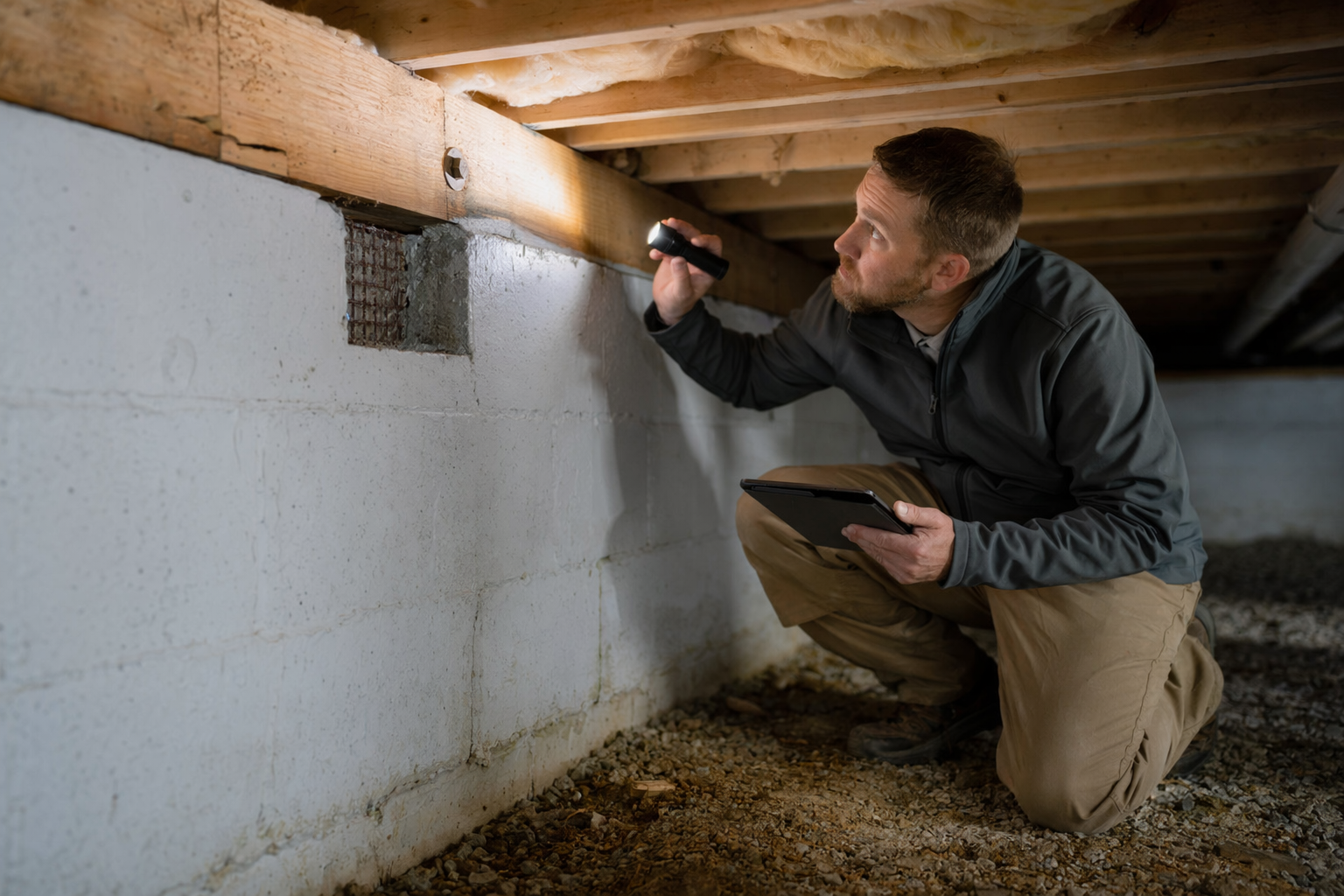
The short answer: check it after major events and on a simple schedule
A practical rule is to look after any earthquake you clearly felt, any strong windstorm, and any period of heavy rain or flooding, then do a routine visual check about once a year. If your home is older, has a crawl space or unfinished garage, or has had water problems before, a yearly check is often easier than trying to remember every few years.
You do not need to become an expert. The goal is simply to notice visible changes like new cracks, loose hardware, rust, rot, or movement. If anything looks different from last time, or if you are not sure what you are seeing, a licensed contractor can inspect it on site.
If you are not sure whether your home has a retrofit at all, or what type it has, get matched, free to speak with local contractors who can explain what is present and what they can confirm in person.

What counts as a “retrofit” in an older home
In an older home, a retrofit usually means added work intended to help the home stay better connected during shaking or storms. Common examples include anchor bolts at the foundation, plywood bracing in a crawl space, connectors that tie parts of the roof or walls together, garage wall reinforcement, or repairs to damaged framing.
Some homes also have drainage, moisture, or foundation-related work that owners think of as part of the retrofit. Whether any of that applies to your home depends on its age, design, condition, and an on-site assessment by a licensed professional.
If you are a homeowner trying to understand possible help with cost, you can also read what retrofit help is there for low-income homeowners. Programs change by location, and in some places you can check whether you qualify for support such as California's Earthquake Brace + Bolt grant or certain FEMA hazard-mitigation programs.
Signs that it may be time for a closer look
A retrofit does not always fail in an obvious way. Sometimes the first clue is a small change that keeps getting worse. If you notice something new, take photos and compare it with older pictures if you have them.
Watch for signs like these:
- New or widening cracks near the foundation, garage opening, or interior corners
- Water stains, standing water, mud, or musty smells in a crawl space or basement
- Rust on metal connectors or bolts
- Wood that looks soft, dark, split, or damaged by pests
- Doors or windows that suddenly stick after a quake or storm
- Loose fasteners, missing hardware, or plywood that is pulling away
These signs do not prove a specific repair is needed. They are reasons to get a closer look from a licensed contractor, who can confirm the cause and recommend the right next step.
When to check after an earthquake, windstorm, or heavy rain
After a noticeable event, do a simple walk-around as soon as it is safe. You are looking for anything clearly new: leaning, shifted materials, fresh cracks, new water entry, or damage around access points like crawl-space doors and garage openings.
A useful timeline is:
- Right away, if safe: quick outside and easy-access visual check
- Within a few days: look in the crawl space, basement, or garage if you can do so safely
- After the ground dries or cleanup is done: check again for hidden moisture, rust, or movement
If there was flooding, major debris impact, or any strong event followed by new damage inside the house, do not rely only on a self-check. A licensed contractor can inspect conditions you may not be able to judge from the surface.
What you can safely look at yourself
Homeowners can usually do a basic visual check in areas that are easy and safe to access. Good lighting, a phone camera, and a simple checklist are often enough. You do not need to touch structural parts or remove finishes.
You can usually look for:
- Visible bolts, plates, brackets, and straps that seem loose, rusty, or bent
- Plywood bracing that looks cracked, wet, or separated from framing
- Obvious water intrusion near the foundation or in a crawl space
- New gaps where framing pieces meet
- Broken vents, access doors, or screens that let in water or pests
Do not crawl into unsafe spaces, pull materials apart, or assume a visible crack means the same thing in every home. If access is limited, conditions are dirty or wet, or you feel unsure, it is better to stop and arrange an inspection.
When to bring in a licensed contractor
Bring in a licensed contractor when you see new damage, repeated moisture, corrosion, movement, or anything you cannot identify with confidence. It also makes sense to call one if you bought an older home and do not have records showing what retrofit work was done, by whom, and when.
Ask for a written scope, price, and explanation of what they observed. You should also verify the contractor's license, bond, and insurance yourself before hiring anyone. The homeowner keeps the choice of who to hire and what work to approve.
If you are helping a family member who rents rather than owns, this related page may help: can a renter ask a landlord to retrofit?.
Keep a simple record of what you see
A small record can make future checks much easier. You do not need a formal report. A phone album, a notes app, or one paper folder is enough if you use it consistently.
Try to keep:
- The date of each check
- A few clear photos from the same spots each time
- Notes on any cracks, moisture, rust, or changes
- Copies of invoices, permits, and contractor recommendations
- Any grant or program paperwork if you applied
This helps you notice changes over time and gives a contractor useful context if you later ask for an inspection. If you want more general homeowner guidance, you can also browse the main help center.
Always verify a contractor's license, bond, and insurance, and confirm the scope and price in writing before any work starts.