What Is a Soft-Story Retrofit Ordinance for Homeowners?
A soft-story retrofit ordinance is a local rule that may require certain buildings with a weak ground floor to be evaluated and, if needed, strengthened. For homeowners, the main question is simple: does your property fall under your city’s rule, and what steps do you need to take next?
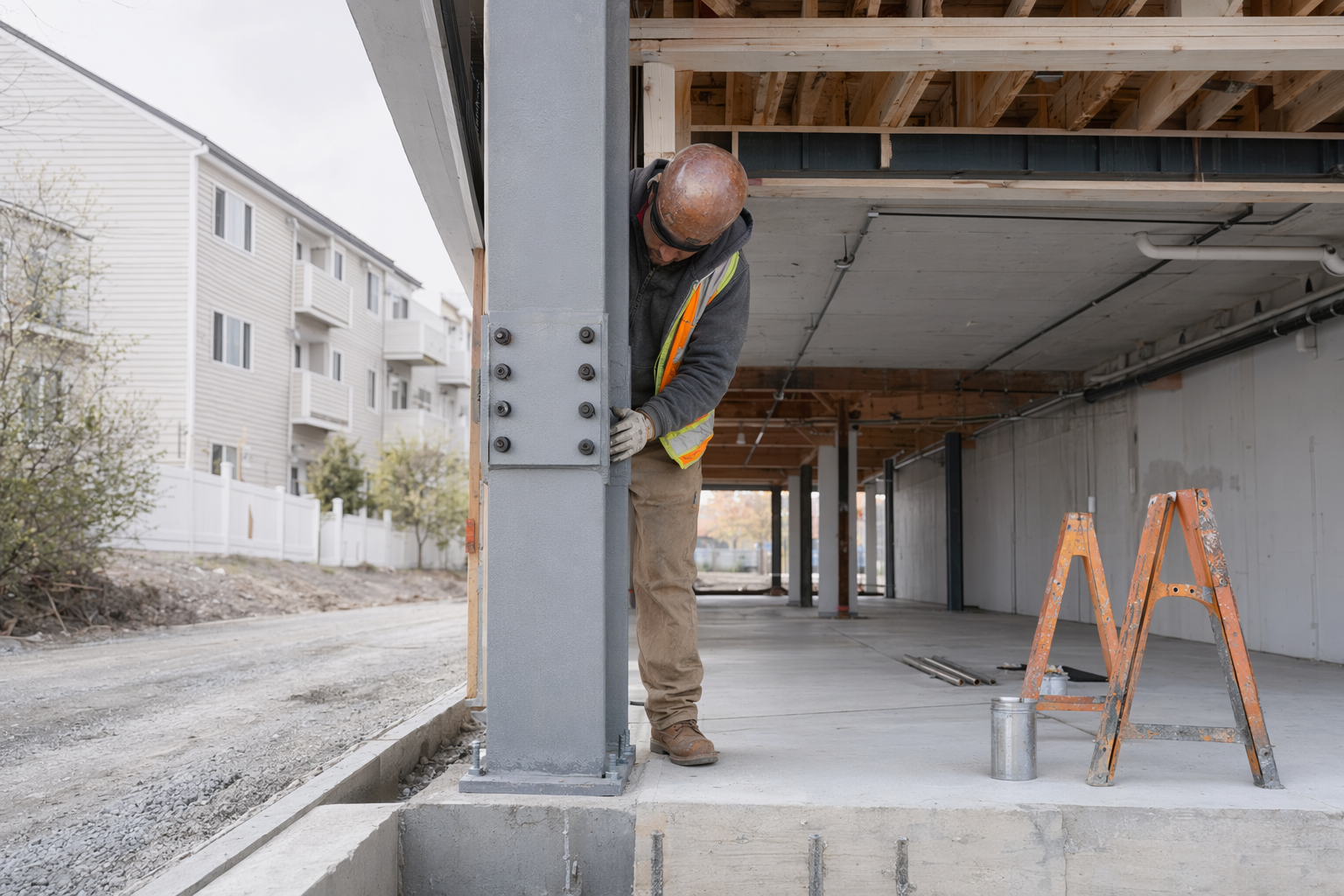
What a soft-story retrofit ordinance means
A soft-story retrofit ordinance is a city or local law about buildings that may have a weaker first level than the floors above. This often happens when the ground floor has large openings, parking, or fewer walls, which can make that level more flexible during shaking.
For a homeowner, the ordinance usually does not mean you should guess what work your building needs on your own. It means the city may require an evaluation, documents from a licensed professional, and possibly construction if the building is found to qualify under the local rule.
Whether this applies to your home depends on your building type, year built, location, and an on-site assessment. A licensed engineer or qualified contractor can confirm what your local ordinance requires for your property.

Which buildings are commonly covered
These ordinances often focus on older multi-unit residential buildings, mixed-use buildings, or buildings with tuck-under parking or large open areas on the first floor. In many cities, single-family homes are not the main target of soft-story laws, but local rules vary.
Buildings commonly reviewed under these ordinances may include:
- Apartments or condos over parking
- Older wood-frame buildings with an open front or weak ground level
- Multi-story homes or small multifamily buildings with large garage openings
- Mixed-use buildings with shops below and housing above
The exact definition depends on your city. If you are unsure, start by reading your notice carefully and ask a local professional who understands the ordinance in your area. If you need help finding someone, you can get matched, free or review more homeowner resources in the help center.
Why cities create these rules
Cities create soft-story rules because some building layouts have shown damage in past earthquakes. The goal is to identify buildings that may need strengthening before a future event, not to promise that any building will be damage-free.
In practical terms, local governments use ordinances to set deadlines, filing requirements, and review steps. This gives owners a process to follow instead of waiting until after an emergency.
A retrofit may help improve how a qualifying building performs in shaking, but the result depends on the building, soil, design, workmanship, and the strength of the earthquake. Only a licensed engineer or contractor can explain what is realistic for your specific property.
What the compliance process often looks like
The process often starts with a city notice. That notice may tell you that your building appears to fit the ordinance and that you must have it reviewed. From there, the city may require plans, permits, and inspections before any work is signed off.
A common sequence looks like this:
- Read the notice and note all deadlines.
- Hire a licensed engineer or qualified retrofit contractor to assess the building.
- Submit required documents or plans to the city.
- Obtain permits if work is required.
- Complete construction and final inspections.
- Keep copies of approvals, permits, and signed paperwork.
Some owners start by speaking with contractors to understand the possible scope, then bring in an engineer if the city requires engineered plans. Rules vary by location, so ask what part of the process the contractor handles and what part must go through an engineer or the city.
Typical costs, timelines, and paperwork
Costs can vary widely. A smaller project with limited strengthening may cost one amount, while a larger multi-unit building with design work, permit fees, and access issues may cost much more. Think of pricing as a typical illustrative range, not a promise. The only reliable number is a written estimate for your specific property after an on-site review.
Timelines also vary. Some owners move from notice to permit quickly, while others need more time for design, financing, tenant coordination, and city review. Delays can happen if plans need revisions or if contractors are booked.
Paperwork often includes:
- The city notice or compliance letter
- Engineering plans, if required
- Permit applications
- Contractor bid or contract
- Inspection records and final approval documents
If your project may qualify for assistance, check whether programs such as California’s Earthquake Brace + Bolt or FEMA-related hazard-mitigation grants apply. Eligibility depends on the property, location, and program rules.
How to talk with local contractors
When you call contractors, tell them exactly what kind of building you have, what the city notice says, and when your deadline is. Ask whether they have experience with this type of local compliance work and whether they can visit the property.
Keep your questions simple and specific:
- Have you worked on soft-story or similar retrofit projects in this city?
- Do you think I need an engineer first, or can you inspect and explain the next step?
- What permits and inspections are usually involved?
- What is included in your written scope and price?
- How long might the project take?
Always verify the contractor’s license, bond, and insurance yourself, and confirm scope and price in writing. You can read more about how to find a licensed retrofit contractor and how to check a contractor’s license.
What to do if you receive a city notice
First, do not ignore it. Missing a deadline can create extra stress, and in some cities it may lead to penalties or other enforcement steps. Read the notice carefully and make a list of dates, documents, and contact information.
Next, gather your property records and start making calls. If the notice is confusing, ask the city which department handles the ordinance and what they need from you. Then speak with licensed local professionals who can assess the building and explain the likely process.
Try this simple plan:
- Save the notice and mark all deadlines on your calendar.
- Take photos of the building areas mentioned, if safe to do so.
- Contact the city for clarification on missing details.
- Get written opinions or bids from qualified local professionals.
- Keep every email, permit, and signed document in one folder.
You still control who you hire and whether you move forward with a particular bid. BedrockMatch can help you compare local options, but you should verify credentials yourself and choose the contractor you trust.
Always verify a contractor's license, bond, and insurance, and confirm the scope and price in writing before any work starts.