Seismic Assessment for Your Home
A seismic assessment is a practical first step if you want to understand how your home may respond in an earthquake and what upgrades a contractor might suggest. It does not tell you exactly what your home needs by itself, but it can help you ask better questions, compare bids, and plan your budget.
What a seismic assessment is and why homeowners get one
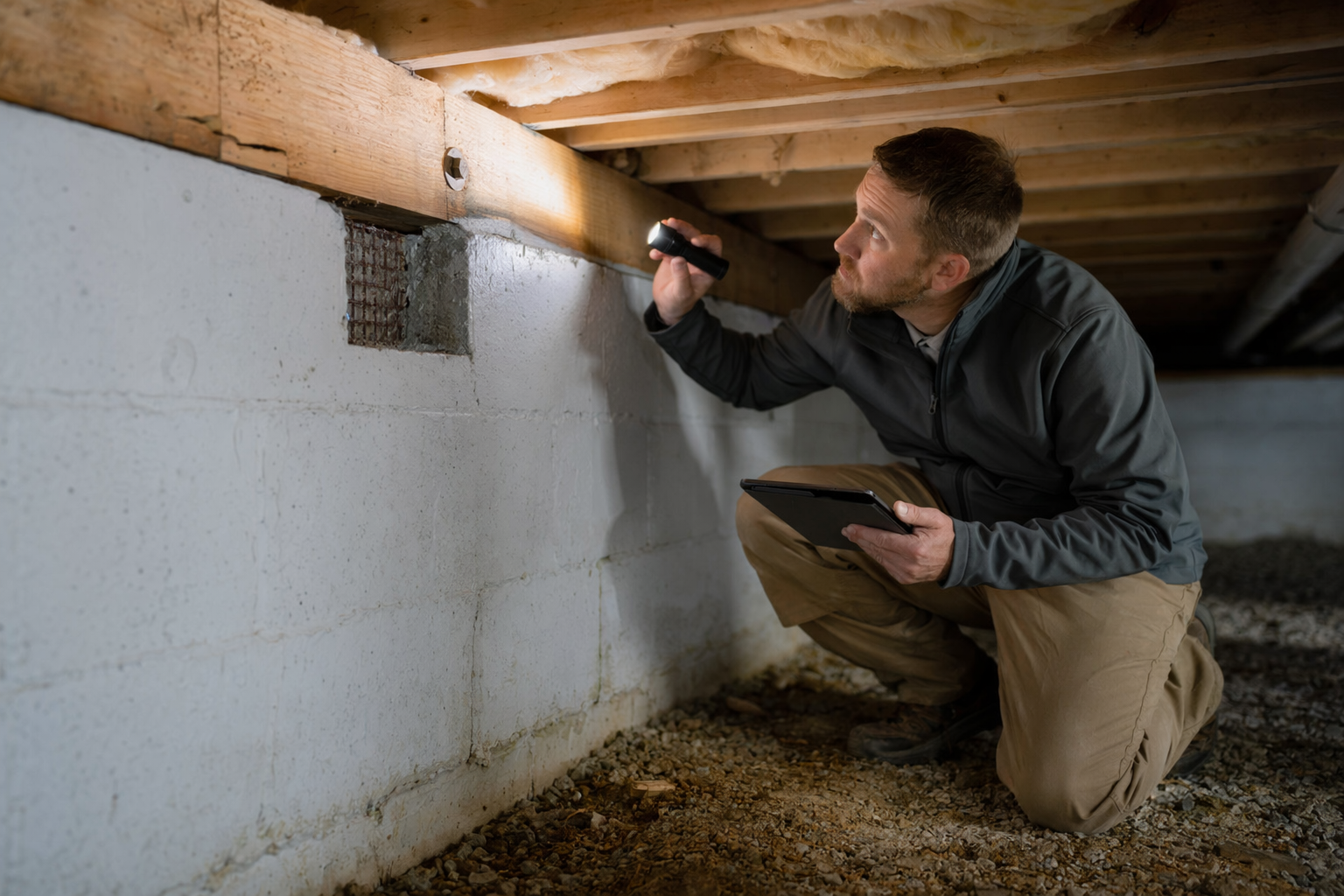
A seismic assessment is a walk-through and visual review of a home's earthquake-related features. Homeowners usually request one when they live in an earthquake-prone area, are buying or renovating an older home, or want to understand whether common retrofit work like foundation bolting or cripple wall bracing may be worth discussing.
The goal is usually information, not a guarantee. An assessment can help identify visible conditions that may affect earthquake performance, but only a licensed engineer or qualified contractor who inspects the home on site can confirm what work, if any, makes sense for that specific property.
Many homeowners get an assessment because they want to:
- understand possible weak points before major repairs
- prepare for contractor estimates
- prioritize work if money is limited
- check whether a public grant program may apply

What an assessor typically looks at around the home
A typical visit focuses on the parts of the home that help transfer earthquake forces to the ground. That often includes the foundation, crawl space or basement, garage area, and the connection points between framing and foundation. The assessor may also note the home's age, shape, slope, additions, and other visible features that can affect retrofit planning.
Inside and outside the home, they may look for signs such as anchor bolts, plywood bracing, post-and-beam supports, older cripple walls, large garage door openings, and cracks or moisture that could affect repair work. In some homes, access is limited, so the review may be based only on what can be safely seen.
What gets checked depends on the house. For example, a raised foundation home may be reviewed differently from a slab-on-grade home, and a hillside house may raise different questions. Whether any retrofit applies to your home depends on an on-site assessment.
Common earthquake weak points that may be flagged
During an assessment, certain conditions are commonly flagged because they are often discussed in retrofit projects. One example is an older raised foundation home that may not be well connected to its foundation. Another is a short wood-framed wall in the crawl space, sometimes called a cripple wall, that may not have enough bracing.
A contractor or engineer may also note large openings, soft-story conditions, unbraced water heaters, deterioration, or previous alterations that changed how the home carries loads. Some homes have additions from different years, which can make the structure less uniform and require closer review.
Common items that may be mentioned include:
- missing or widely spaced foundation anchor bolts
- unbraced cripple walls in a crawl space
- weak connections between wood framing and concrete foundation
- large garage openings with limited lateral support
- older materials, rot, or termite damage that may affect repair scope
Not every flagged condition means major work is needed. It means the issue is worth discussing further with a licensed professional who can confirm scope, code requirements, and price in writing.
What you may receive after the visit
After the visit, you may receive a short summary, photos, notes, or a proposed scope of work if the inspection was done by a retrofit contractor. Some homeowners also receive a list of recommended next steps, such as getting a second bid, improving access to the crawl space, or asking a licensed engineer for a more detailed opinion.
The document may describe visible conditions and possible retrofit options, but the level of detail varies. Some reports are simple and practical. Others are more formal and may include diagrams, measurements, or permit-related notes. Ask in advance what format you will receive and whether the cost of the assessment is separate from any future work.
Helpful items to ask for include:
- photos of the areas reviewed
- a written description of the suggested work
- what assumptions were made because of limited access
- whether permits may be needed
- an itemized estimate if repair work is proposed
How an assessment helps you plan retrofit work and budget
An assessment can help you separate urgent items from optional improvements. That matters because seismic work often comes in phases. A homeowner may start with a basic connection upgrade, then later consider related work if the budget allows. The assessment can also help you compare bids for the same general scope instead of comparing very different proposals.
Costs vary widely by home type, region, access, and repair needs. As a typical illustrative range, a straightforward raised-foundation retrofit may cost a few thousand dollars, while more complex work involving access issues, repairs, engineering, permits, or large openings can be much higher. These are illustrative ranges only, not a quote or promise.
For some homeowners, the assessment shows that the next step is simply getting matched with local companies that do this kind of work regularly. You can review service types on our retrofit services page or get matched, free to compare local options. You still choose who to speak with and who to hire.
If a contractor suggests related repairs beyond seismic work, ask them to separate those costs clearly. That makes it easier to see what is earthquake-retrofit scope and what is general repair or maintenance.
Questions to ask before you hire a retrofit contractor
Before you hire anyone, ask direct questions and get the answers in writing. A good assessment is useful only if you understand what is being proposed, what is included, and what is not included. The homeowner keeps control over the decision and should verify the contractor's license, bond, and insurance independently.
Good questions include:
- What specific conditions did you observe at my home?
- What work do you recommend, and why?
- What parts of the home were not visible or accessible?
- Is engineering needed for this scope?
- Are permits included in your price?
- What repairs are seismic-related and what repairs are separate?
- What timeline, payment schedule, and cleanup are included?
If you get two or three estimates, ask each contractor to describe the scope using similar terms so you can compare them fairly. If something is unclear, slow down and ask again. A clear written scope can prevent confusion later.
Public programs and next steps to explore
Depending on where you live and the type of home you own, public programs may help with part of the cost. In California, some homeowners may be eligible for the Earthquake Brace + Bolt grant, which can offer up to about $3,000 toward qualifying retrofit work. FEMA-supported hazard-mitigation programs may also exist in some areas. Check whether you qualify, because eligibility rules, funding windows, and required work can change.
A practical next step is to gather a few basics before you contact contractors: your home address, year built if known, foundation type, whether there is a crawl space or basement, and a few photos of visible areas. That can make the first conversation easier, especially if English is not your first language.
If you are ready to talk with local companies, BedrockMatch can help you connect with vetted contractors for an introduction at no cost to you. We are a matching service, not a contractor or engineer, so the contractor still needs to assess your home on site and you decide whether to move forward.
Always verify a contractor's license, bond, and insurance, and confirm the scope and price in writing before any work starts.