Do I need a permit for a seismic retrofit?
Many seismic retrofit jobs do need a permit, but not every city handles this the same way. The safest next step is to ask the local building department and have a licensed contractor or engineer explain what applies to your home after an on-site assessment.
The short answer: often yes, but it depends
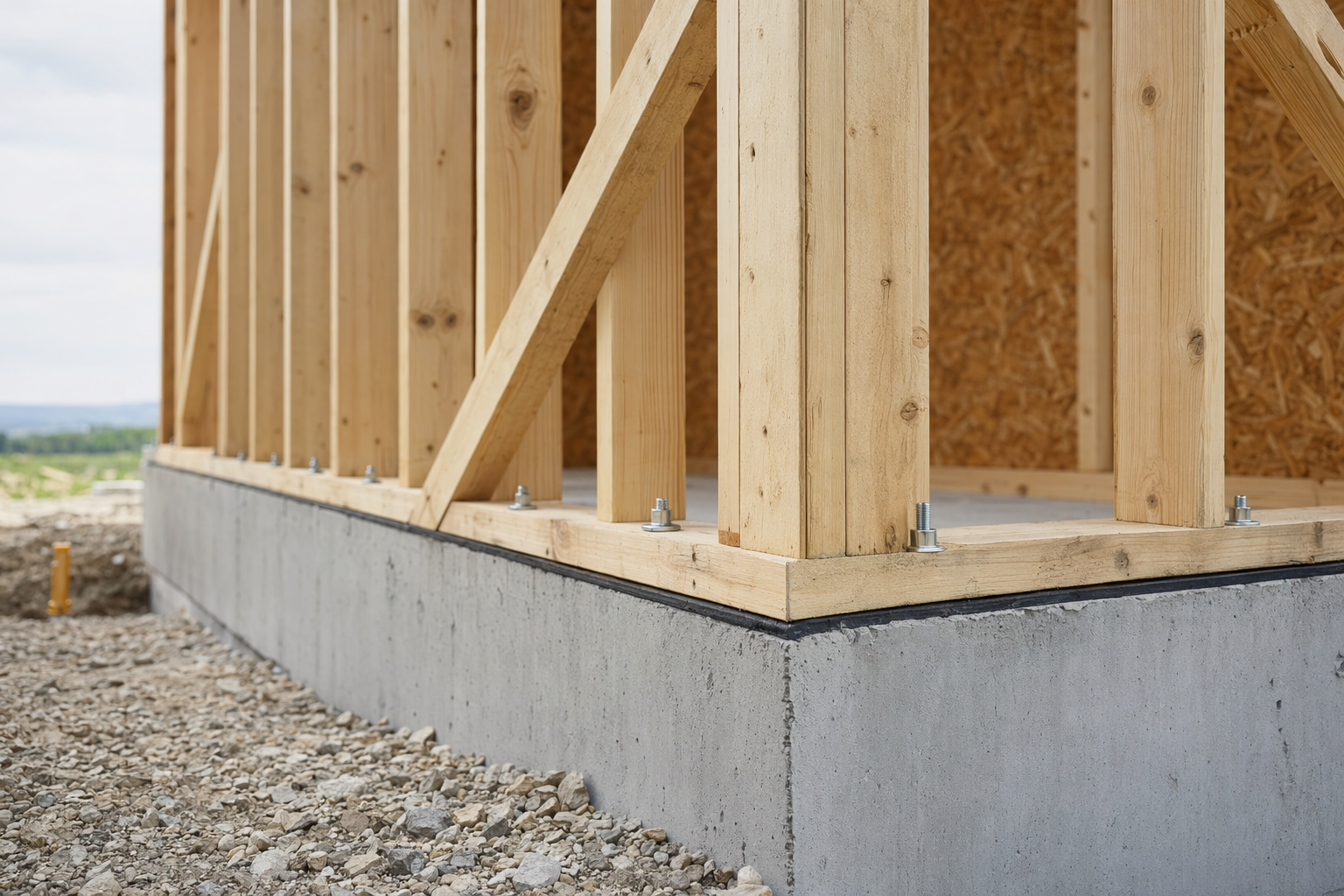
For many common retrofit jobs, a permit is often required. This can include work such as adding or replacing anchor bolts, bracing a cripple wall, strengthening connections, or doing other structural work at the foundation level.
But permit rules are local. The answer can change based on your city, county, the age of the house, and the exact scope of work. A small repair is not always treated the same as a larger structural upgrade.
If you are not sure where to start, a good first step is to ask your local building department and read Do I need an engineer for a retrofit?. A licensed contractor can also tell you whether a permit is typically required for the work they are proposing, but the city or county has the final say.

Why permits are commonly required for retrofit work
Permits are commonly required because retrofit work can affect how the house is connected and supported. Local officials usually want to review plans, confirm the scope, and inspect the work before it is closed up.
A permit can also create a paper trail showing what work was approved and inspected. That may help you keep records for future buyers, lenders, or insurance questions, even though it does not guarantee any specific performance.
Common reasons a permit may be required include:
- Work at the foundation or framing level
- New bolts, brackets, hold-downs, or plywood shear panels
- Changes that need inspection before drywall or finishes are replaced
- Local rules that classify the job as structural work
How permit rules can vary by city, county, and scope
There is no single national rule for retrofit permits. One city may have a standard permit path for common brace-and-bolt work, while another may ask for more drawings, engineering, or separate inspections.
The details often depend on the home and the job. For example, permit requirements may change based on:
- Whether the house has a raised foundation or slab foundation
- Whether there is a cripple wall or crawl space
- The age of the home and any prior unpermitted work
- Whether the contractor is following a standard prescriptive detail or a site-specific engineered design
That is why online advice only goes so far. Whether this type of work applies to your home, and what paperwork is needed, depends on an on-site assessment. If cost is a concern, check whether you qualify for help such as California's Earthquake Brace + Bolt grant or FEMA hazard-mitigation programs in your area.
Who usually pulls the permit: homeowner or contractor
In many cases, the contractor pulls the permit because they are doing the work and will be scheduling inspections. Some homeowners choose to pull it themselves, but that can shift more paperwork and coordination onto the homeowner.
Before you agree to anything, ask who will be listed on the permit application and who is responsible for corrections if the inspector asks for changes. Get that answer in writing in the contract.
A few practical questions to ask are:
- Who is pulling the permit?
- Is the permit fee included in the price?
- Who meets the inspector on site?
- If plans need revision, who handles that?
If you are comparing bids, make sure each contractor is pricing the same permit-related responsibilities. If you want to talk with local pros, you can get matched, free.
What a permit can mean for cost, timing, and inspections
A permit can add fees, paperwork, and waiting time. It can also affect the schedule because some work may need to pause until inspections are passed. That does not mean permitting is bad, only that you should plan for it.
Typical impacts include permit fees, possible plan review fees, inspection scheduling, and extra labor if access or documentation is needed. The amount varies by location and scope. A contractor can explain the likely local process, but exact timing is rarely guaranteed.
For many homes, inspection checkpoints happen before the work is covered up. Ask whether you can stay in the home during the job and how inspections may affect daily life. This page may help: Can I stay in my home during a retrofit?.
Questions to ask before you sign a contract
Before signing, slow down and make sure the permit plan is clear. A short written answer now can prevent confusion later.
Ask these questions:
- Does the proposed scope usually require a permit in this city or county?
- Is the permit included in the bid price, or billed separately?
- Will the contractor provide plans or engineering if the building department asks for them?
- What inspections are expected, and who schedules them?
- What happens if the city requires changes after review or inspection?
- Will I receive copies of the permit card, approved plans, and final sign-off?
Also ask the contractor to identify any assumptions. For example, if hidden damage is found after opening walls or crawl-space areas, the price and permit scope may change. Make sure change-order terms are written clearly.
How to verify license, bond, insurance, and permit status
You should verify the contractor's license, bond, and insurance yourself before work starts. Do not rely only on a business card or verbal promise. Ask for the legal business name and license number, then check the relevant state licensing board and local permit office.
It is also smart to confirm the permit status directly with the city or county. Ask whether the permit has been issued, whether inspections have been scheduled, and whether final approval is still pending.
A simple checklist:
- Confirm the contractor's active license status
- Check bond and insurance certificates
- Match the business name on the contract to the license record
- Ask for the permit number once filed
- Keep copies of inspection records and final sign-off
If you need more general help, visit Help. BedrockMatch is a free matching service for homeowners, and you stay in control of who you speak with and who you hire.
Always verify a contractor's license, bond, and insurance, and confirm the scope and price in writing before any work starts.