Do I need an engineer for a home retrofit?
Not every retrofit starts with an engineer, but some homes do need one. The right path depends on the type of work, your home's condition, and what your city or county requires after an on-site assessment.
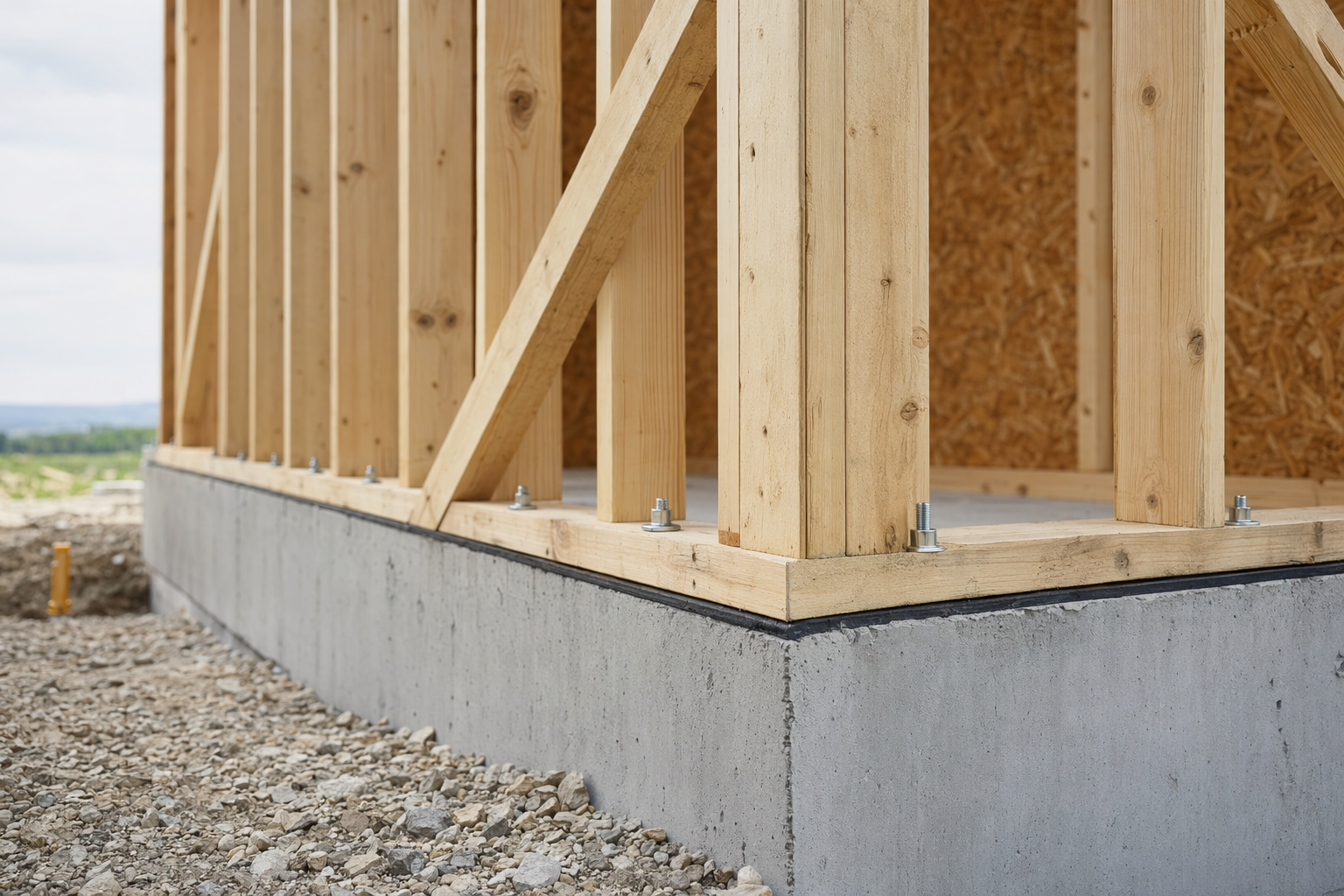
Short answer: sometimes, but not always
For many common retrofit jobs, a qualified contractor may be able to inspect the home, explain the likely scope, and tell you whether engineering is usually part of the process. In other cases, a licensed engineer is brought in to design details, answer permit questions, or review unusual conditions.
The key point is this: no website can tell you for sure what your house needs. Whether this work applies to your home depends on an on-site assessment by a licensed professional. If you are still deciding whether to move forward, this may also help: Is a seismic retrofit worth it?
A simple house with a clear crawl space and straightforward access may be easier to evaluate. An older home with past additions, visible cracking, sloping floors, or foundation changes may need a closer look.

When a contractor may be enough
A contractor may be enough when the work is fairly standard and the local building department allows the contractor to pull a permit using established retrofit details. This is more common for straightforward work such as foundation anchorage or bracing in homes that match typical local conditions.
Examples where homeowners often start with a contractor include:
- Homes with accessible crawl spaces or basements
- Standard wood-frame houses with no major additions or unusual structural changes
- Retrofit scopes that fit common permit templates used by the city
Even then, the contractor should explain what they are seeing and whether engineering might still be needed. You should also verify the contractor's license, bond, and insurance yourself, and ask for the scope and price in writing before you hire anyone. If you want introductions to local companies that handle this type of work, you can get matched, free.
Situations where an engineer is often involved
An engineer is often involved when the house is not a simple, standard case. That can include homes with mixed materials, significant prior remodels, hillside conditions, unusual foundation layouts, or signs that the structure may need custom design rather than a basic prescriptive approach.
You may hear that engineering is recommended when there are questions like these:
- Has the home been added onto or heavily remodeled?
- Is there visible damage, settlement, or movement that needs evaluation?
- Does the local permit office require stamped plans for this kind of work?
- Is the proposed retrofit more complex than basic anchoring or bracing?
This does not mean your project is impossible or that you definitely need a full engineering package. It means a licensed engineer may need to confirm the approach after seeing the property.
What an engineer and a retrofit contractor each do
A licensed engineer and a retrofit contractor have different roles. The engineer may evaluate structural conditions, prepare drawings or calculations if needed, and help answer technical questions for the permit process. The contractor typically inspects field conditions, prices the work, performs the installation, and coordinates the construction side of the job.
In many projects, the contractor is the first person a homeowner talks to. After the site visit, the contractor may say one of three things:
- the job looks standard and can likely move forward without separate engineering
- engineering is recommended before pricing is finalized
- the city may decide whether engineered plans are required
That division of roles matters because BedrockMatch is not an engineer, contractor, or inspector. We help homeowners connect with local retrofit contractors, and those professionals can explain whether engineering is likely for your home after an on-site assessment.
How permits and city requirements can affect the answer
Sometimes the biggest factor is not the house itself, but the permit rules where you live. One city may allow common retrofit work under standard details, while another may ask for engineer-prepared plans for the same type of project.
That is why two neighbors with similar houses may get different answers. Before signing a contract, ask who will handle permitting, whether plans are included, and what happens if the building department asks for engineering after the initial inspection.
If cost is part of your decision, ask whether any local or public funding might help. In some areas, homeowners can check whether they qualify for programs such as California's Brace + Bolt grant or certain FEMA-backed hazard-mitigation grants. These programs are not available for every home or every project, and they are never guaranteed.
What to ask before you hire anyone
A few simple questions can make the process much clearer. Ask them before you choose a contractor or engineer, and get the answers in writing if possible.
Helpful questions include:
- Do you think this home may need an engineer, and why?
- Is your estimate based on a site visit?
- Does your price include plans, permits, and inspections, or are those separate?
- If the city requires engineering later, how will that change the cost and timeline?
- Who will actually do the work, and are they licensed and insured?
If you are worried about the disruption at home, you may also want to read Can I stay in my home during a retrofit?. Different homes and scopes affect how disruptive the work feels.
How to compare estimates without getting overwhelmed
Do not compare estimates by price alone. First, make sure each estimate describes roughly the same scope. One bid may include engineering, permit handling, and inspections, while another only lists the construction work.
When you review proposals, look for these items:
- a clear written scope of work
- whether engineering is included, excluded, or to be determined
- permit responsibility
- estimated timeline
- payment schedule
- warranty terms, if any
If one company says you definitely do not need an engineer and another says you definitely do, ask both to explain why based on the actual site conditions and local permit rules. The homeowner keeps the choice of who to hire, so take your time, verify license and insurance details yourself, and use the estimate that is clearest, not just the cheapest. If you want a broader starting point, you can browse more homeowner answers in our help center.
Always verify a contractor's license, bond, and insurance, and confirm the scope and price in writing before any work starts.