Is a seismic retrofit worth it for your home?
For many homeowners, a seismic retrofit feels worth considering when the cost is manageable compared with the possible mess, downtime, and repair expense after strong shaking. Whether it makes sense for your home depends on the house type, condition, local risk, and what a licensed contractor or engineer finds during an on-site assessment.
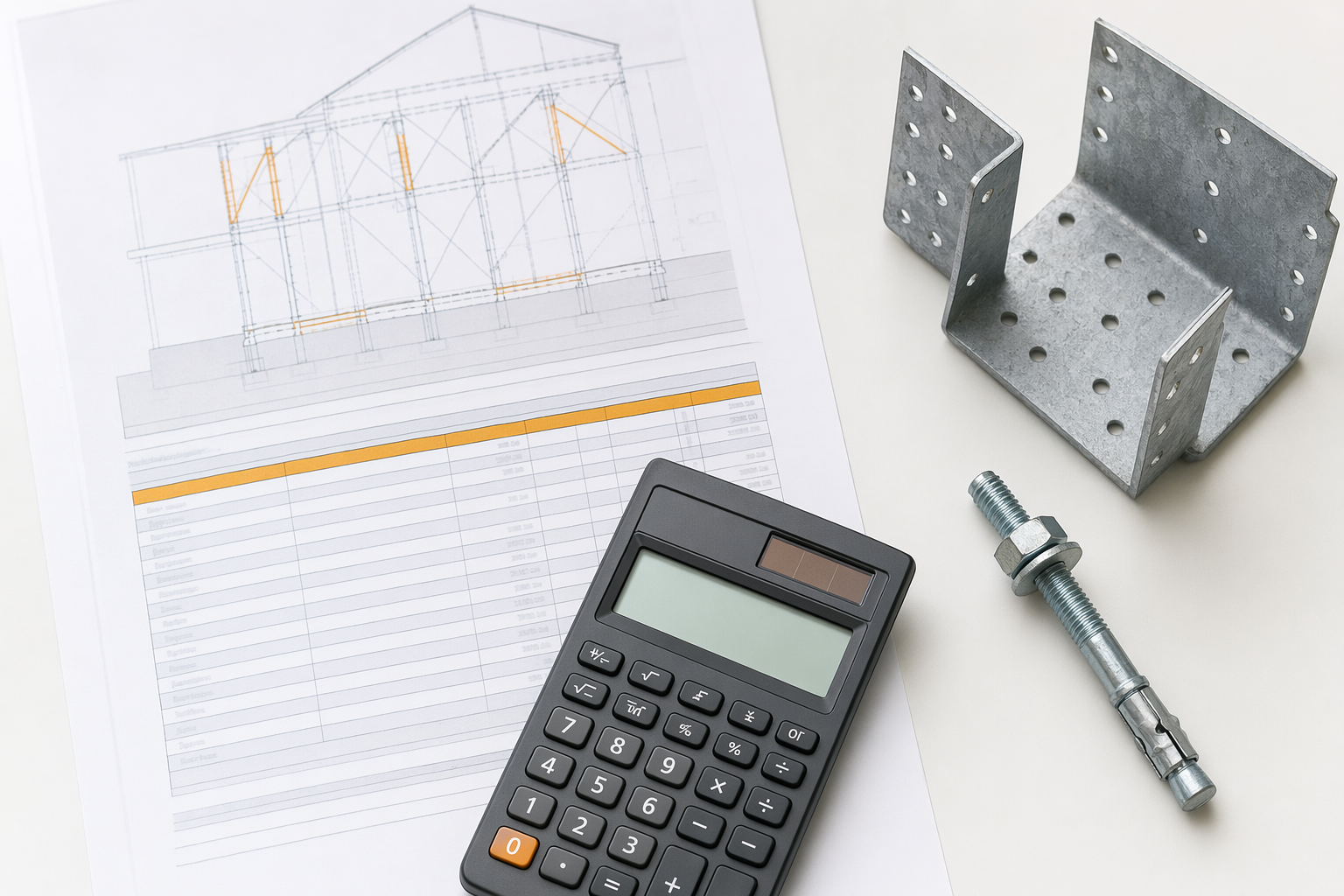
The short answer: when homeowners often think it’s worth it
Many owners decide a seismic retrofit is worth it when they have an older home, a raised foundation, or signs the house may not be well connected to its foundation. A common reason is simple: they want to reduce the chance of major movement at the foundation level during an earthquake, even if no one can promise a specific result.
Homeowners also tend to move forward when the work is relatively modest compared with the cost and disruption of larger repairs later. Typical retrofit costs vary a lot by home, region, and scope, but basic foundation bolting and bracing work is often discussed in the low-thousands to several-thousands range. A contractor can confirm what applies to your house after seeing it in person.
If you are not sure whether your home is a likely candidate, these pages can help you start: how do I know if my house is bolted? and which homes need a seismic retrofit?.

What a seismic retrofit is meant to do
A seismic retrofit is meant to improve how parts of the house are connected, especially around the foundation and crawl space. In many homes, that can include adding anchor bolts, strengthening cripple walls, or improving other connections so the house is less likely to shift off its support during shaking.
That does not mean every home needs the same work, and it does not mean the house will "survive" a major earthquake without damage. The goal is usually to improve the home's resistance to certain common failure points, not to eliminate all risk.
Because homes are built differently, only an on-site assessment can show what work is appropriate. A licensed contractor can explain the scope they recommend, and if the situation is complex, you can ask whether a licensed engineer should review it.
How to weigh cost against potential repair disruption
For many people, the real question is not only "How much does the retrofit cost?" but also "What could repairs look like if the house shifts?" Foundation-related earthquake damage can lead to more than one bill. Owners may face temporary relocation, damaged finishes, utility issues, permit delays, and time away from normal life.
A practical way to think about it is to compare a known project cost with the possibility of a larger, less predictable repair later. No one can tell you exactly what future damage would be, and no retrofit can guarantee a specific savings. Still, many homeowners feel the work is easier to justify when they consider:
- the age and type of the house
- whether there is a crawl space or raised foundation
- how disruptive major repairs would be for their family
- whether they plan to stay in the home for years
If cost is the main concern, ask whether there are phased options and check whether you qualify for programs such as California's Brace + Bolt grant or certain FEMA mitigation programs. Eligibility and funding change, so treat those as possibilities to verify, not promises.
Which homes owners most often ask about
The homes that come up most often are older wood-frame houses with raised foundations, especially when built before modern anchoring practices became common. Soft-story conditions, unbraced cripple walls, and homes that have been moved or added onto also raise questions for owners.
That said, age alone does not decide it. Two houses built in the same decade can be very different because of prior upgrades, soil conditions, additions, or foundation type. That is why general checklists are useful for screening, but not for making a final decision.
Owners commonly ask about:
- pre-1980 homes with crawl spaces
- homes on slopes or with stepped foundations
- houses with garages under living space
- homes with visible older framing in the crawl space
If your house sounds similar, browse the broader help center and then get a site-specific opinion from a licensed professional.
How resale, insurance, and peace of mind fit into the decision
Some owners consider retrofit work because they think ahead to resale. A documented upgrade may be a useful point to discuss with future buyers, but market value depends on many things, including neighborhood, condition, and buyer expectations. It should not be treated as a guaranteed return.
Insurance is similar. A retrofit may matter to some insurers or in some situations, but you should not assume a premium reduction or coverage change. Ask your insurer directly what they recognize and what paperwork they would need.
For many families, the biggest benefit is peace of mind. That is a personal value, not a guaranteed financial outcome. If better connections at the foundation would help you feel more comfortable staying in the home during earthquake season, that can be a reasonable part of the decision.
What to ask a contractor before you decide
Before you sign anything, ask the contractor to explain what they observed, what work they recommend, and why. The explanation should be specific to your home, not a one-size-fits-all sales pitch.
Useful questions include:
- What parts of my home are you planning to strengthen?
- Is this recommendation based on an on-site inspection of the crawl space and foundation?
- Are permits included, if required locally?
- What is excluded from the price?
- Will you provide photos, a written scope, and a timeline?
- Should I also consult a licensed engineer for this house?
Always verify the contractor's license, bond, and insurance yourself, and make sure scope, materials, cleanup, and payment terms are in writing. If you want introductions to local companies that work on this type of project, you can get matched, free.
How to compare bids and next steps
When comparing bids, do not look at price alone. A lower bid may leave out permit handling, hardware details, access work, or repairs needed to complete the retrofit properly. A higher bid is not automatically better either. What matters is whether each contractor is pricing the same scope.
Try this simple process:
- compare written scopes line by line
- ask each contractor to explain differences in plain language
- confirm estimated schedule and payment terms
- verify license, bond, and insurance directly
- keep copies of proposals, photos, and permits
If two bids describe very different work, that is a sign to ask more questions, not to guess. The best next step is usually a clear written proposal and enough information to understand what problem the contractor believes they are addressing in your specific home.
Always verify a contractor's license, bond, and insurance, and confirm the scope and price in writing before any work starts.