Does a home retrofit affect property value?
A retrofit can matter to property value, but usually not as a simple dollar-for-dollar increase. For many homeowners, the bigger benefit is that the home may feel easier to understand, price, and negotiate when buyers ask about earthquake or storm risk.
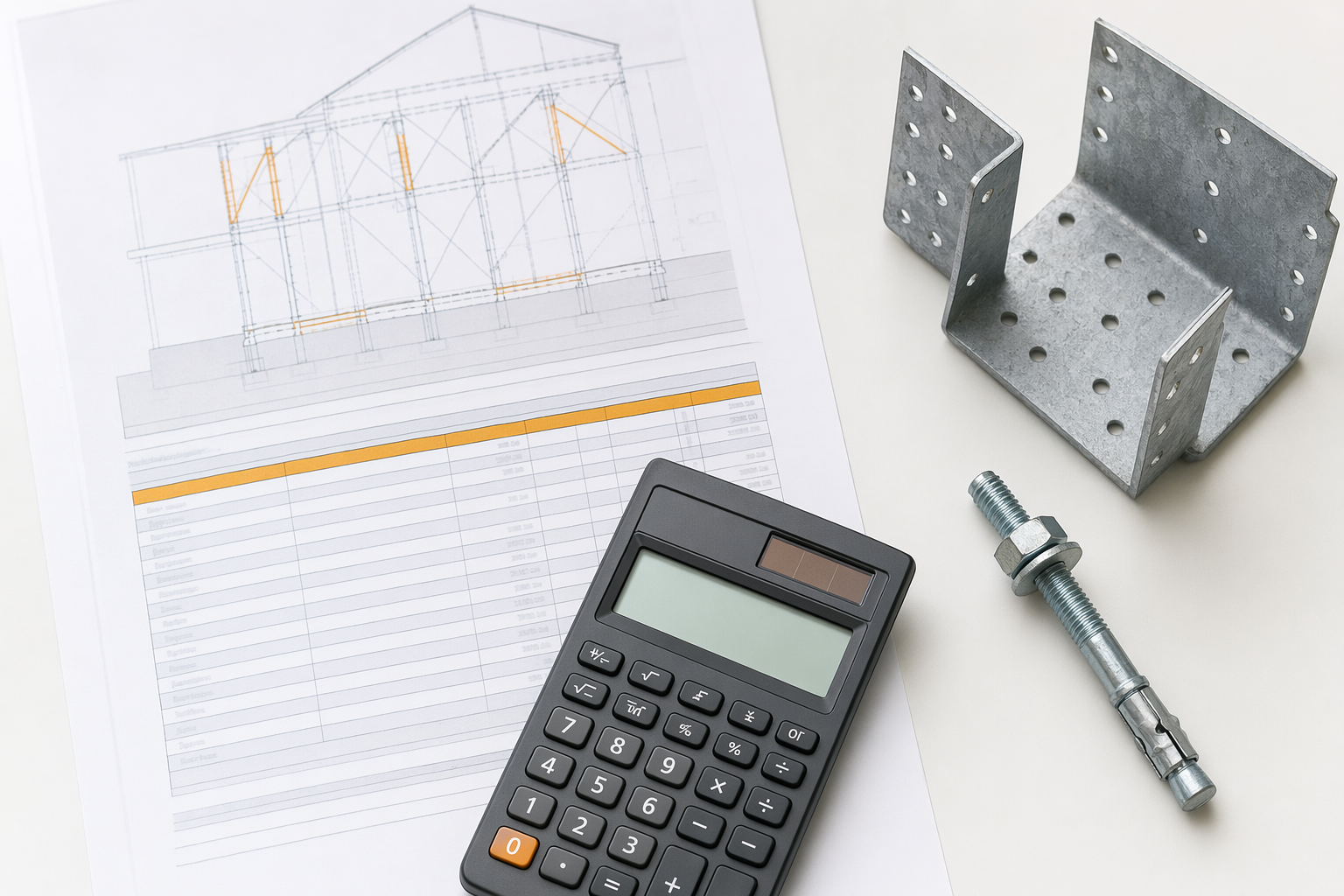
Short answer: it can matter, but not in the same way for every home
Yes, a retrofit can affect property value, but the effect depends on the home's age, foundation type, location, local buyer expectations, and the quality of the work. In some neighborhoods, buyers pay close attention to seismic or storm-resistance upgrades. In others, they may care more about roof age, drainage, or general condition.
It is also important to separate market value from marketability. A retrofit does not always produce an immediate, equal increase in appraised value. But it may still help a home attract interest, answer buyer concerns, or reduce hesitation during escrow.
Whether a certain retrofit applies to your home depends on an on-site assessment by a licensed contractor or engineer. BedrockMatch is a matching service, not an engineer or inspector, so we cannot tell you what your home needs.
If you are still learning the basics, how do I prepare my home for an earthquake? is a useful starting point.

What buyers and appraisers may notice
Buyers often notice risk-related improvements when they are easy to explain and document. Examples may include foundation bolting, cripple wall bracing, connectors, shutters, roof tie-down improvements, or garage door reinforcement. But the exact value impact varies, and an appraiser may not treat every upgrade the same way.
In practice, buyers and appraisers may look at a few things:
- whether the work was professionally installed
- whether permits were pulled when required
- whether the upgrade matches the home's age and construction type
- whether similar homes nearby have had similar work done
A buyer may not say, "I will pay exactly $10,000 more because of this retrofit." Instead, they may feel more comfortable moving forward, making a stronger offer, or asking for fewer concessions. That can matter in a real sale even when the pricing effect is hard to isolate.
Why documentation often matters as much as the work itself
Good paperwork can make a big difference. If you do retrofit work, keep contracts, invoices, permit records, inspection sign-offs if applicable, product information, and clear before-and-after photos. A future buyer or appraiser may not be able to see everything behind finishes, so documentation helps tell the story.
Without records, even useful work can be harder to credit. Buyers may wonder who did it, whether it was completed correctly, and what problem it was meant to address. Clear written scope and proof of payment help reduce confusion.
Helpful records often include:
- contractor license information
- written scope of work
- permit and final sign-off records, if required locally
- photos before, during, and after the job
- any transferable warranty terms in writing
If you decide to move ahead, verify the contractor's license, bond, and insurance yourself, and make sure scope and price are confirmed in writing before work starts.
How location and local risk shape resale conversations
Location matters a lot. In earthquake-prone parts of California, buyers may ask whether an older home has been bolted or braced. In coastal or wind-prone areas, they may focus more on roof attachments, opening protection, drainage, or other storm-related improvements. The same upgrade may be a bigger selling point in one ZIP code than in another.
Local disclosure habits and buyer education also shape these conversations. In some areas, real estate agents and buyers are already familiar with common retrofit terms. In others, you may need simple documentation and plain-language explanations to show why the work was done.
If you are exploring costs, timing, or funding, check whether you qualify for programs such as California's Earthquake Brace + Bolt or certain FEMA-related mitigation assistance. These programs are not guaranteed, but they may help offset part of the cost for some homeowners. You can read more here: What is FEMA hazard mitigation funding?.
Costs, payback, and why value is not always immediate
Retrofit work is usually best viewed as a risk-conscious home improvement, not a guaranteed profit tool. Typical costs vary widely by region and scope. Some smaller seismic bracing or bolting jobs may fall in the low thousands, while more complex foundation, structural, or storm-hardening work can cost much more. The actual price depends on the home and should be confirmed after an on-site review.
That is why payback is not always immediate or easy to measure. A buyer may value the work, but not at the full amount you spent. In some cases, the benefit shows up more in a smoother transaction, less negotiation over condition, or fewer buyer concerns after inspection.
It can help to think in three buckets:
- possible resale appeal
- possible practical risk-preparation benefits
- possible peace of mind for the current owner
Those are real reasons people choose this work, but none should be treated as a promise of a specific resale increase, safety outcome, or insurance savings.
When a retrofit can help a sale go more smoothly
A retrofit may help a sale move more smoothly when it addresses a concern buyers already have. For example, an older raised-foundation home in earthquake country may attract questions during showings or inspections. If the owner can show clear records of completed work, that can reduce uncertainty.
This can be especially helpful when the home has one or more of these traits:
- older construction that buyers often question
- visible signs of deferred maintenance elsewhere that make buyers cautious
- a location where hazard risk is part of normal buyer conversation
- a competitive market where clean documentation helps a listing stand out
A retrofit is not a magic fix for every resale problem. Price, condition, layout, and local demand still matter. But in the right situation, documented work can make a buyer feel there are fewer unknowns.
If you want to compare local options, you can get matched, free with vetted contractors. The choice of who to hire is always yours.
Questions to ask contractors before you decide
Before signing anything, ask practical questions and get the answers in writing. A contractor can explain what they recommend for your home after seeing it in person, and a licensed engineer can advise if engineering is needed.
Useful questions include:
- What problem are you trying to address in this home specifically?
- What work is included, and what is not included?
- Will permits or engineering be required for this scope?
- Who will perform the work, and are they licensed and insured?
- What documentation will I receive when the job is done?
- Are there options at different price levels?
- Are there local grant or assistance programs I should check whether I qualify for?
You can also ask how the contractor suggests you keep records for future buyers and appraisers. For more homeowner help topics, visit our help center.
Always verify a contractor's license, bond, and insurance, and confirm the scope and price in writing before any work starts.