How do I prepare my home for an earthquake?
You do not need to do everything at once. A practical earthquake-prep plan usually starts with simple safety steps inside the home, then moves to bigger items only if a licensed professional says they fit your house.
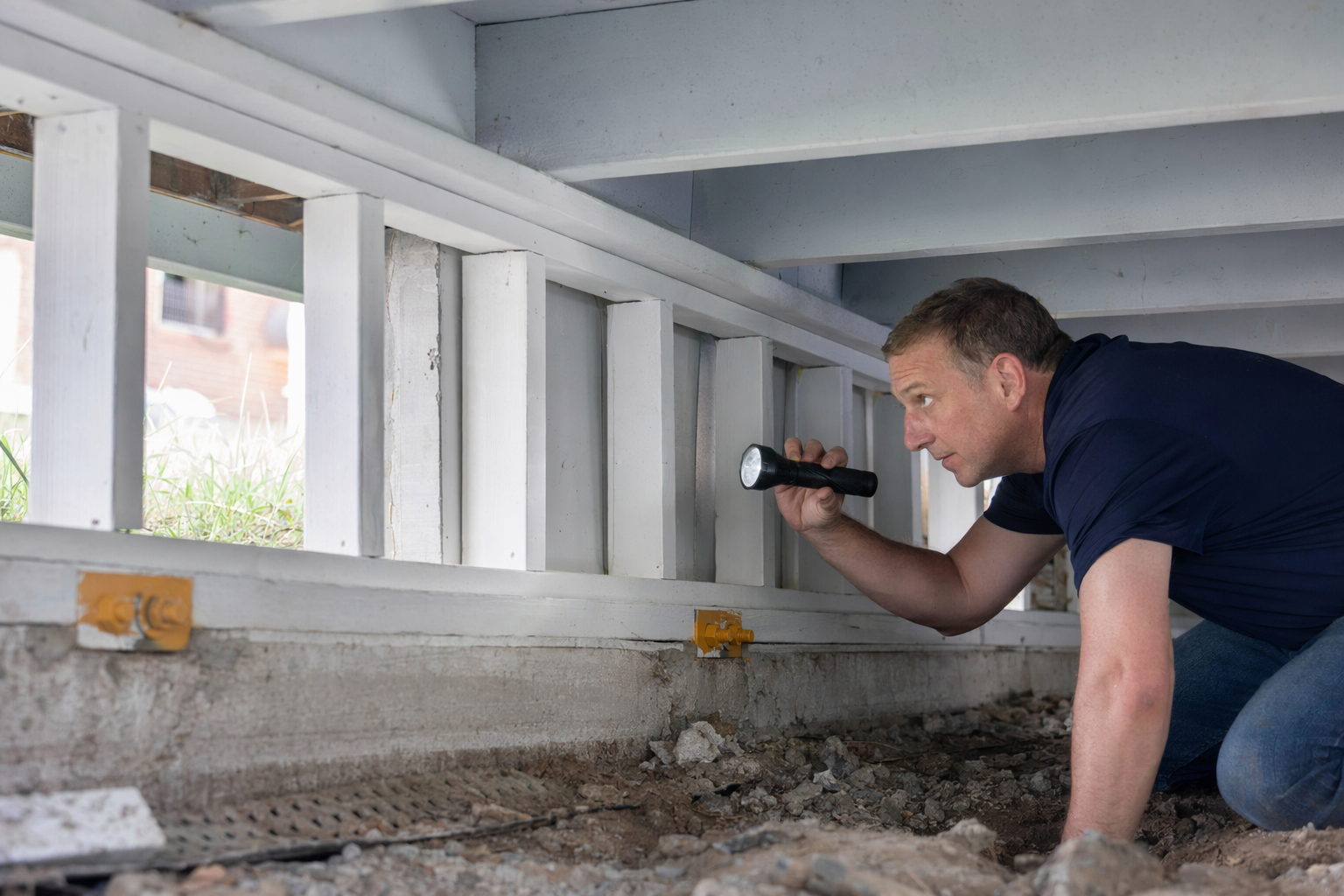
Start with the easiest safety fixes
Begin with low-cost steps that help reduce everyday hazards during shaking. These jobs are often quick, and many homeowners can do them with basic hardware from a home-improvement store.
Start with the places where falling objects could hurt someone, especially bedrooms, hallways, kitchens, and living rooms. Focus first on items that are tall, heavy, made of glass, or stored above head height.
A simple starter list:
- Move heavy items off high shelves
- Put breakables in lower cabinets with latches if needed
- Strap tall bookcases, dressers, and cabinets to wall studs
- Secure TVs, computers, and small appliances
- Keep flashlights, shoes, and a phone charger near the bed
If you also live in a storm area, some basic preparedness overlaps with wind planning too. See how to prepare my home for a hurricane for a separate storm checklist.

What to secure inside the house
Inside the house, the main goal is to reduce injuries and keep important systems working after shaking. Water heaters, refrigerators, shelving, mirrors, framed art, and hanging light fixtures are common items people ask about.
A strapped water heater is one of the most commonly discussed safety upgrades because movement can damage gas or water connections. But whether your specific setup needs work, and what kind, depends on your home and local rules. A licensed contractor can confirm that on site.
You can also walk room by room and look for things that could slide, tip, or shatter. Pay special attention to:
- Tall furniture near beds or seating
- Glass cabinets and large mirrors
- Hanging plants or heavy ceiling-mounted items
- Kitchen shelves with dishes and glassware
- Electronics on stands with wheels or narrow bases
Keep copies of insurance papers, ID, and important contacts in a safe, easy-to-carry place. If English is not your first language, it can help to write emergency contacts and utility instructions in the language your household uses every day.
How to reduce common damage around the home
Outside and below the house, earthquake preparation often means looking for things that may move, crack, or pull apart during shaking. Homeowners often ask about foundations, cripple walls, crawl spaces, chimneys, porches, and utility connections.
Some homes may benefit from retrofit work such as bracing or fastening parts of the structure together, but that is not something this page can diagnose. Older homes, raised foundations, and homes with crawl spaces are common reasons people ask for an assessment, but only a licensed contractor or engineer can say what applies after seeing the property.
Practical steps you can take now:
- Clear access to the crawl space, basement, or utility areas
- Trim back plants blocking the foundation line
- Photograph visible cracks or past repairs so you can ask questions later
- Make a list of the home's approximate age and any known additions or remodels
If you want help finding someone local to look at your home, you can get matched, free. BedrockMatch is a free matching service for homeowners; participating contractors pay a flat fee to be introduced.
When to ask for a professional retrofit assessment
Ask for a professional assessment when you see warning signs, when the home is older, or when you simply are not sure how the house is built. Common reasons include sloping floors, unbraced water heaters, an older raised foundation, visible movement in crawl spaces, or past earthquake damage.
An on-site visit matters because two homes on the same street can need different work. The contractor may look at the foundation type, framing, access, condition of wood, previous alterations, and how utilities are attached. If the questions go beyond contractor scope, ask whether a licensed structural engineer should be involved.
If language access matters to your family, ask for that up front when you request estimates. This may help: how do I find a retrofit contractor who speaks my language?.
How contractor estimates usually work
Many retrofit estimates start with a site visit. The contractor may measure, take photos, check access, and explain possible options. Some companies offer a no-cost estimate; others may charge for a more detailed inspection or written scope. Ask before scheduling so there are no surprises.
A written estimate often includes the proposed scope, materials, approximate timeline, exclusions, permit assumptions, and price. If the home has hidden conditions, the final cost can change after work starts. That is common in older homes, especially where parts of the structure are covered.
When you review estimates, ask these questions:
1. What exactly is included in the scope?
2. Are permits, debris removal, and repairs to finishes included?
3. What could change the price later?
4. Who will do the work: employees or subcontractors?
5. What license, bond, and insurance information can you provide?
Always verify the contractor's license, bond, and insurance yourself, and confirm scope and price in writing before you sign.
What public funding programs you can check
Some homeowners may qualify for public programs that help with hazard-mitigation work. In California, one well-known option is the Earthquake Brace + Bolt program, which may offer up to about $3,000 toward qualifying retrofit work. FEMA-supported mitigation funding may also exist in some areas.
These programs are not guaranteed, and rules, timing, and eligibility can change. Check whether you qualify, what work is covered, and whether the contractor must meet specific program requirements.
A good next step is to ask each contractor whether they are familiar with available local or state programs and what paperwork homeowners usually need. For more homeowner guides, you can also visit Help Center.
How to compare local retrofit contractors
Do not choose based on price alone. Compare scope, communication, timeline, and whether the contractor clearly explains what they found at your home. A lower bid can mean a smaller scope, fewer repairs, or more items left out.
Try to get at least two or three written estimates for the same home. Then compare them line by line. If one proposal is very different, ask why. Sometimes the difference is experience; sometimes it is simply that the contractors are not proposing the same work.
A practical comparison checklist:
- License, bond, and insurance verified by you
- Clear written scope and materials list
- Permit responsibility explained
- Payment schedule in writing
- Change-order process explained
- References or recent local jobs you can ask about
- Comfortable communication in your preferred language
You stay in control of who to hire, what work to approve, and when to move forward. If you want introductions to local companies, get matched, free.
Always verify a contractor's license, bond, and insurance, and confirm the scope and price in writing before any work starts.