How do high winds damage a house?
High winds can damage a house in ways that are easy to miss at first, especially around the roof, windows, doors, and places where water can get in. This page explains what typically happens, what you can safely look for yourself, and when it makes sense to call a local contractor.
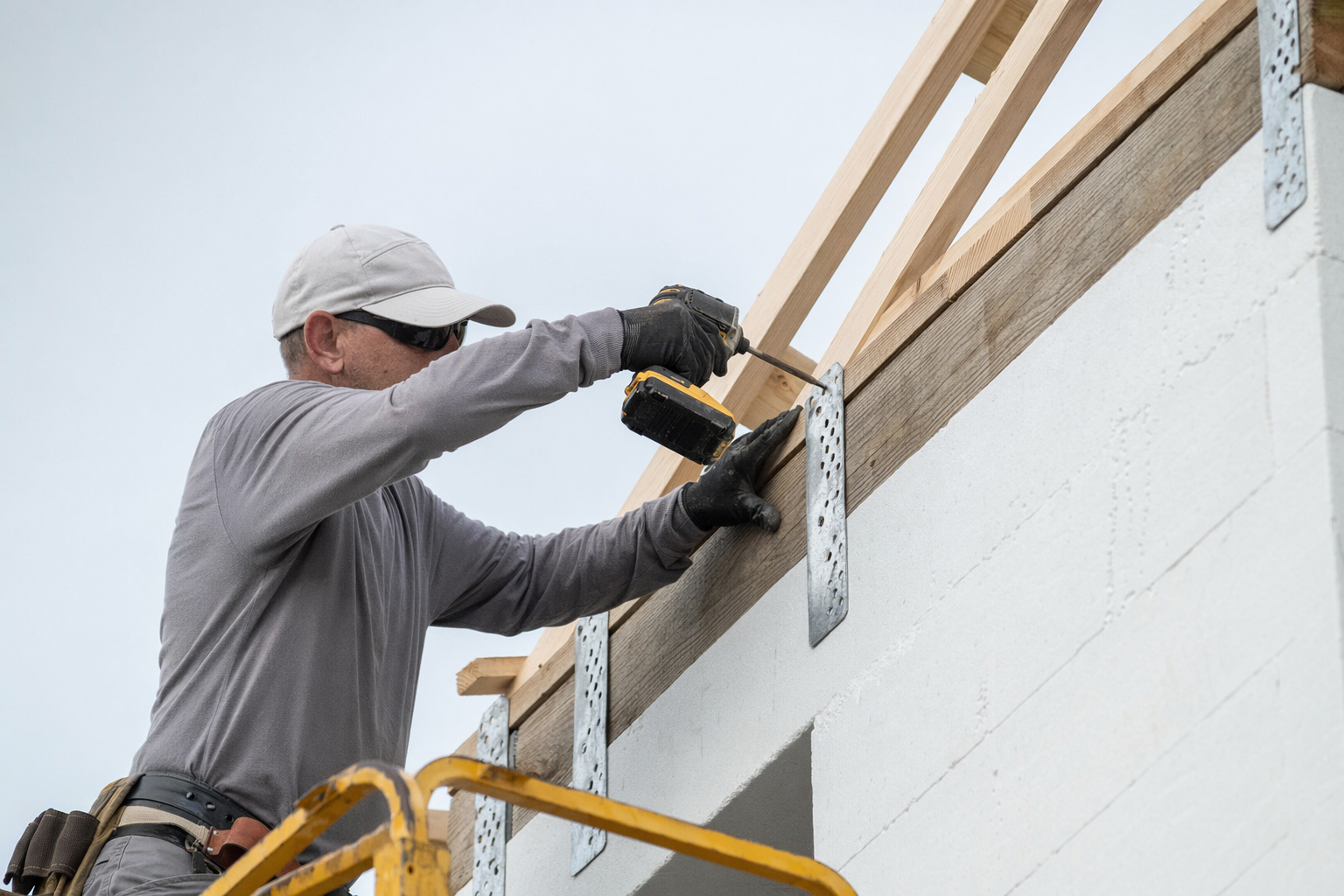
How wind puts pressure on a house
Wind does not hit a house evenly. As air moves around the roof corners, eaves, walls, and garage door, it creates pushing and pulling forces. In strong storms, that pressure can loosen shingles, lift flashing, strain fasteners, and shake parts that were already worn.
The effect depends on many things, including the wind speed, direction, the shape of the home, nearby trees or buildings, and the condition of the house before the storm. That is why two houses on the same street can have different damage.
If you are also comparing storm work with earthquake work, see the difference between seismic and storm retrofitting. A local contractor can confirm what storm-related repairs or upgrades, if any, fit your home after an on-site assessment.

The parts of a home most likely to be damaged
The roof is often the first place wind damage shows up. Shingles, tiles, ridge caps, flashing, vents, and roof edges can loosen or break. Once that protective layer is damaged, rain can enter and affect insulation, drywall, ceilings, and framing.
Openings are another common weak point. Windows, exterior doors, garage doors, soffits, and attic vents may crack, bend, or pull away. Siding, trim, gutters, downspouts, fences, and porch covers can also be damaged by direct wind or by flying debris.
Typical problem areas include:
- roof corners and edges
- chimney and vent flashing
- garage doors and tracks
- window frames and seals
- soffits, fascia, and gutters
Not every home needs the same repair or upgrade. The right scope depends on the house, local weather exposure, and what a licensed contractor finds on site.
Common warning signs after a windstorm
Some signs are obvious, like missing shingles, fallen branches, broken glass, or bent gutters. Others are less visible at first and may appear over days or weeks, such as a new ceiling stain, damp insulation, peeling paint, or a door that suddenly does not close the same way.
Inside the home, pay attention to water spots, musty smells, drafts near windows or doors, and new rattling sounds when it is windy. In the attic, you might notice daylight where it should be dark, wet wood, or insulation that looks disturbed.
A few signs worth documenting:
- new leaks or ceiling marks
- loose roofing or siding pieces found on the ground
- cracked caulk around windows and doors
- garage door panels that look bowed or misaligned
Take clear photos and note the date. If you may file an insurance claim, your insurer can explain what your policy covers. For a related question, see does homeowners insurance cover earthquakes?.
Why small openings can lead to bigger problems
A small gap in roofing, flashing, siding, or around a window can let in water and wind-driven rain. Even minor moisture can spread into insulation, drywall, trim, or wood framing and lead to staining, swelling, mold-like odors, or rot over time.
Small openings can also make pressure problems worse. If wind gets into places it should not, it may increase stress on nearby materials and connections. That does not mean every small crack is a major emergency, but it is a good reason not to ignore changes after a storm.
Fast repairs are often less costly than waiting, but the actual price depends on the location, materials, labor, and how much hidden damage is present. A contractor can confirm the cause and explain repair options in writing.
What homeowners can safely check themselves
You can do a careful ground-level check without climbing on the roof or opening damaged electrical areas. Safety comes first, especially if there are downed lines, unstable trees, or active leaks near fixtures.
A simple homeowner check can include:
- walk around the house and take photos from all sides
- look for missing shingles, loose siding, bent gutters, or damaged vents from the ground
- check windows, doors, and screens for cracks or gaps
- inspect ceilings, attic access areas, and upper walls for stains or damp smells
- test whether exterior doors and the garage door move normally
Do not climb onto the roof, pull apart damaged materials, or use the garage door repeatedly if it looks bent or off track. If you are not sure what you are seeing, you can get matched, free with local contractors and ask for an inspection.
When to call a local contractor for an inspection
Call a local contractor if you see visible roof damage, broken windows, siding pulled loose, new interior water stains, a garage door that is not operating normally, or any sign that parts of the exterior have shifted. It is also smart to call if your home is older, has had prior repairs in the same area, or if the storm was strong enough to damage nearby homes.
Ask the contractor to explain what was damaged, what is urgent, and what can wait. The homeowner keeps control over who to hire, what work to approve, and whether to get more than one estimate. BedrockMatch can help introduce you to local contractors, but it is a flat-fee matching service, not a contractor or engineer.
If a contractor suggests upgrades to improve future wind performance, ask whether they are repairs, optional improvements, or both. Whether any upgrade applies to your home depends on an on-site assessment.
Questions to ask before hiring for repairs or upgrades
Before you sign anything, slow down and get the scope in writing. Clear paperwork helps avoid confusion, especially if English is not your first language.
Helpful questions include:
- Are you licensed for this type of work in my state, and can I verify your license, bond, and insurance?
- What damage did you actually observe, and what photos can you show me?
- What repairs are urgent now, and what items are optional?
- Will permits be needed, and who will handle them?
- What materials will you use, and what is included in the price?
- How will you protect the home if more rain comes before the work starts?
You should also ask about timing, payment schedule, cleanup, warranty terms, and change orders. Compare bids carefully, and make sure the final written agreement matches what was discussed. If broader strengthening work is proposed, you can also ask whether any public programs may apply and check if you qualify for available help in your area.
Always verify a contractor's license, bond, and insurance, and confirm the scope and price in writing before any work starts.