Are older homes more at risk during an earthquake?
Older homes can have higher earthquake risk, but age by itself does not tell you enough. What matters most is how the house was built, what condition it is in now, and what a licensed professional finds during an on-site assessment.
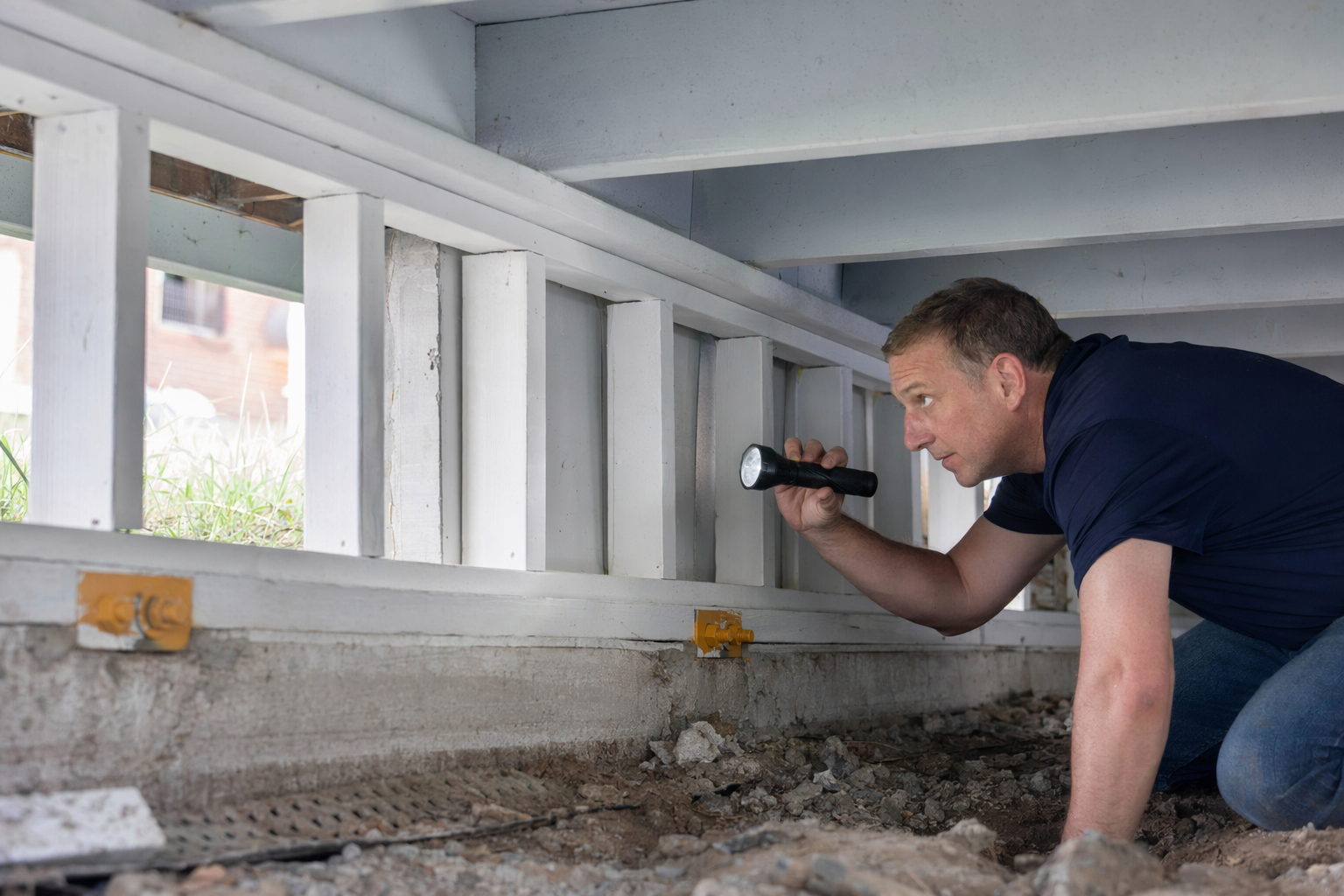
Why age alone does not tell the whole story
A house built many decades ago is not automatically unsafe, and a newer house is not automatically well protected. Two homes from the same year can perform very differently depending on their foundation, framing, soil conditions, maintenance, and any changes made over time.
Some older homes were built with sturdy materials and have already had updates such as foundation bolting or cripple-wall bracing. Other homes may still have original details that a contractor or engineer would want to review more closely.
The most practical next step is not to guess from the year built alone. A licensed retrofit contractor or structural engineer can look at the actual home and confirm what, if anything, may need attention.

What can make an older house more vulnerable
Older houses may be more vulnerable when they were built before later construction practices became common, or when important connections have weakened with time. Moisture damage, rot, termites, rusted hardware, and settlement can all change how a house responds during shaking.
Homes can also be more exposed if they have not been updated after years of wear, or if earlier work was done without proper design or permits. That does not mean a problem is certain. It means the home may deserve a closer look.
Common factors a professional may consider include:
- whether the house is firmly connected to its foundation
- whether short walls in the crawl space are braced
- whether the floor plan has large open areas or weak lower levels
- whether chimneys, porches, or additions create extra stress points
Common weak points contractors often inspect first
Many contractors start with the areas that often matter most in light-frame homes. One example is the connection between the wood framing and the foundation. In some older houses, the home may not be bolted in the way a retrofit contractor would expect to see today.
Another common area is the cripple wall, which is the short wall between the foundation and the first floor in some crawl-space homes. If that wall is weak or not properly braced, it may be discussed as part of a retrofit plan.
Contractors may also inspect:
- crawl-space framing and posts
- garage or open-front walls with limited bracing
- unreinforced masonry chimneys
- signs of rot, cracks, or prior movement
If your home has a large open lower level, such as tuck-under parking or a weak first story, you may also want to read about soft-story retrofit ordinances. Whether that applies to your home depends on the building type and an on-site review.
How past remodels and additions can change the picture
An older home that has been remodeled several times may have a different risk profile than an untouched house from the same era. Removing walls, adding rooms, enlarging windows, converting garages, or changing the roof can affect how loads move through the structure.
Sometimes a remodel improved the home. Sometimes it introduced new weak points. A contractor or engineer may look for mismatched framing, altered supports, or signs that an addition does not tie into the original house as well as it should.
This is one reason online checklists can only go so far. The useful answer comes from someone licensed who can see the crawl space, foundation, walls, and any altered areas in person.
What a licensed contractor or engineer can evaluate on site
A licensed retrofit contractor can inspect accessible parts of the home and explain what upgrades are commonly considered for houses like yours. If engineering is needed, a licensed structural engineer can provide design guidance for the specific conditions found on site.
They may evaluate the foundation type, framing layout, crawl space or basement walls, slope or settlement issues, and whether prior work appears consistent and complete. They can also tell you which items are priority concerns and which are optional improvements.
Ask for clear written notes on:
- the observed weak points
- the proposed scope of work
- what is included and excluded
- whether permits or engineering may be required
If you are not sure where to start, review how to find a licensed retrofit contractor or get matched, free. BedrockMatch is a free matching service for homeowners, and you still choose whether to hire anyone.
Possible retrofit options a homeowner may hear about
Depending on the house, a contractor may talk about options such as bolting the home to the foundation, bracing cripple walls, strengthening certain wall lines, improving connections between framing members, or addressing an older masonry chimney. The right scope depends on the home and should be confirmed after an on-site assessment.
Costs vary by region, access, and scope. As a typical illustrative range, limited crawl-space seismic work may be a few thousand dollars, while broader structural work can be much more. These are not promises or fixed prices. Always get written bids for your exact home.
Some homeowners also check whether they qualify for help with costs. In California, the Earthquake Brace + Bolt program may offer up to about $3,000 toward qualifying work, and some FEMA-related hazard-mitigation programs may be available in certain places. Check whether you qualify, and confirm the current program rules before making plans.
How to compare bids and verify contractor credentials
When you compare bids, look beyond the total price. Two estimates may sound similar but include very different materials, permit handling, engineering coordination, repair allowances, or cleanup.
A simple way to compare is to ask each bidder the same questions:
- What exact work will be done?
- What is excluded from the price?
- Will permits be pulled if needed?
- Who handles engineering if it is required?
- What repair work is included after access openings?
Before you sign, verify the contractor's license, bond, and insurance yourself with the appropriate state and local agencies. Confirm the scope, schedule, payment terms, and change-order process in writing. The homeowner keeps control over who to hire, and it is reasonable to ask questions until the bid is clear.
Always verify a contractor's license, bond, and insurance, and confirm the scope and price in writing before any work starts.