How much can a home retrofit reduce earthquake damage?
A retrofit can help a house perform better in an earthquake, but it does not make a home "earthquake-proof." The real benefit depends on the house, the soil, the strength and length of the shaking, and whether the work fits the home after an on-site assessment.
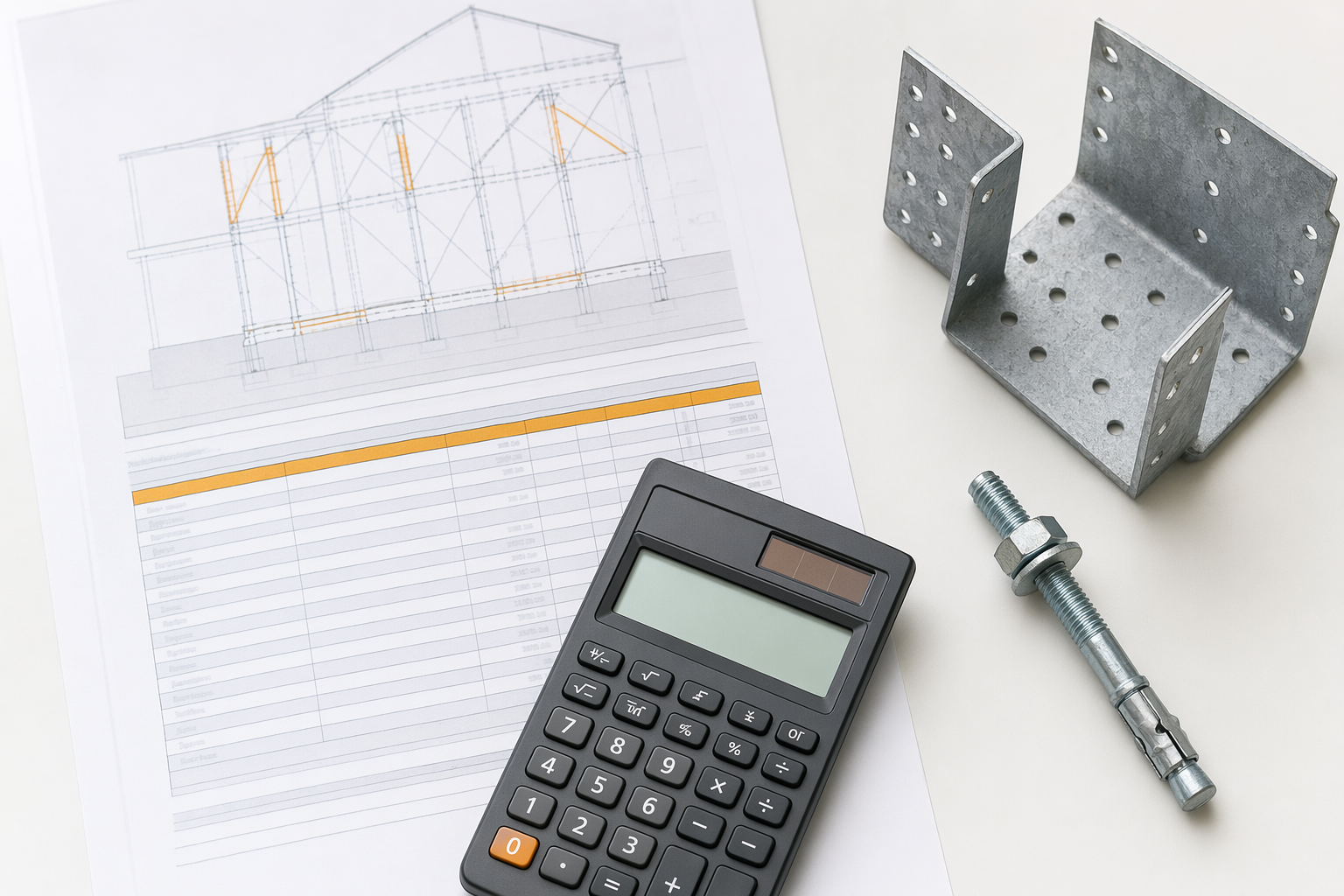
The short answer: a retrofit may lower some damage, not eliminate it
In many homes, retrofit work is meant to improve how the house is connected and supported so it is less likely to shift, rack, or slide during shaking. That can reduce some kinds of damage, especially damage tied to weak connections between the house and its foundation.
But no contractor, engineer, or matching service can honestly promise that retrofit work will prevent all damage. Earthquakes vary a lot. Even a well-prepared home can still have cracked finishes, damaged utilities, broken chimneys, foundation problems, or damage from ground movement.
If you are not sure what happens when a house is not well connected to its foundation, this may help: what happens to an unbolted house in an earthquake.

What a retrofit is usually trying to improve
A typical seismic retrofit often focuses on the home's load path and connections. In plain language, that means helping the house stay better attached and braced where common weaknesses are found. The exact scope depends on the home and must be confirmed on site by a licensed contractor or engineer.
Common goals may include:
- improving the connection between the house and foundation
- strengthening short wood-framed walls in a crawl space or garage area
- reducing excessive movement in parts of the structure that are known weak points
- improving anchorage for some manufactured or mobile homes where applicable
This does not mean every house needs the same work. A raised foundation home, a house with a soft-story garage, and a mobile home can have very different issues. If you live in a manufactured or mobile home, start here: is my mobile home at risk in an earthquake.
Why damage can still happen after retrofit work
Retrofit work usually targets certain failure points. It does not remove every earthquake risk. Shaking can still damage drywall, plaster, windows, roofing, brick veneer, chimneys, interior finishes, plumbing, gas lines, and belongings inside the home.
Some damage comes from things the retrofit may not control well, such as poor soil, slope movement, liquefaction, older additions, unreinforced masonry, heavy tile roofs, or parts of the home that were built in different years. A contractor can explain what is and is not included in a proposal, and a licensed engineer can advise on broader structural questions.
That is why results differ so much. A retrofit may improve performance in one earthquake and show more limited benefit in another, depending on the type of motion and the home's condition before work starts.
What affects results from one house to another
Two houses on the same street can perform differently. Age, shape, maintenance, remodel history, foundation type, hillside or flat lot, and local soil conditions all matter. The quality of the installation and whether hidden damage already exists also matter.
A contractor or engineer looking at the property in person may consider:
1. foundation type and condition
2. whether the house is already bolted or braced
3. crawl space, cripple wall, or garage layout
4. signs of rot, moisture, termite damage, or past settlement
5. local permit and inspection requirements
Because of these differences, online articles can only give general guidance. They cannot tell you what your house needs. If you want local options, you can get matched, free and then compare written proposals yourself.
Typical cost ranges homeowners often compare
Costs vary by region, access, house size, foundation condition, and scope. As a typical illustrative range, homeowners often compare basic foundation bolting and bracing jobs in the low thousands, while more complex work can move into the mid or high thousands or more if repairs, engineering, permits, or difficult access are involved.
Some examples homeowners often see discussed are:
- simpler crawl-space bolting and bracing: often a few thousand dollars
- work involving damaged wood, limited access, or more extensive bracing: often higher
- soft-story or major structural work: can be significantly more than a basic retrofit
These are not quotes and not a promise of price. Ask each contractor what is included: permits, hardware, plywood, repairs to rot or termite damage, cleanup, inspections, and any optional upgrades. In California, some owners also check whether they qualify for programs like Earthquake Brace + Bolt, which may help pay part of qualifying work.
How to evaluate retrofit proposals from contractors
Do not compare proposals by price alone. Compare scope, exclusions, and who is responsible for permits, repairs, and inspection steps. Make sure each bidder is pricing the same problem, or the cheapest number may not be the best value.
A useful proposal usually makes clear:
- the specific work areas
- the materials or hardware to be installed
- whether damaged wood or foundation issues are included or extra
- permit and inspection responsibility
- estimated timeline and payment schedule
- warranty terms, if any, in writing
You should also verify the contractor's license, bond, and insurance yourself, and confirm that the company is authorized to do the type of work proposed. If one contractor recommends much more work than the others, ask why, and consider whether a licensed engineer should review the condition.
What to ask before you sign a contract
Before signing, ask the contractor to explain the goal of the work in simple terms. A good question is: "What weakness are you trying to improve, and what damage might still happen even after this work?" Clear answers help you understand limits as well as benefits.
You may also want to ask:
- Is this scope based on an on-site inspection?
- What conditions could change the price after opening the area?
- Are permits included?
- Who handles inspection corrections if needed?
- What work is excluded?
- Will I get the final scope and price in writing?
Keep control of the decision. You own the home, you choose who to hire, and you should not feel rushed. If you want to compare local companies first, start from help or request introductions through get matched, free.
Always verify a contractor's license, bond, and insurance, and confirm the scope and price in writing before any work starts.