Is my mobile home at risk in an earthquake?
Some mobile homes and manufactured homes can be more vulnerable in an earthquake if the home is not well connected to its support system or if the ground and utilities around it are weak. The only way to know what applies to your home is an on-site assessment by a licensed contractor or engineer, but there are common issues homeowners can learn to spot.
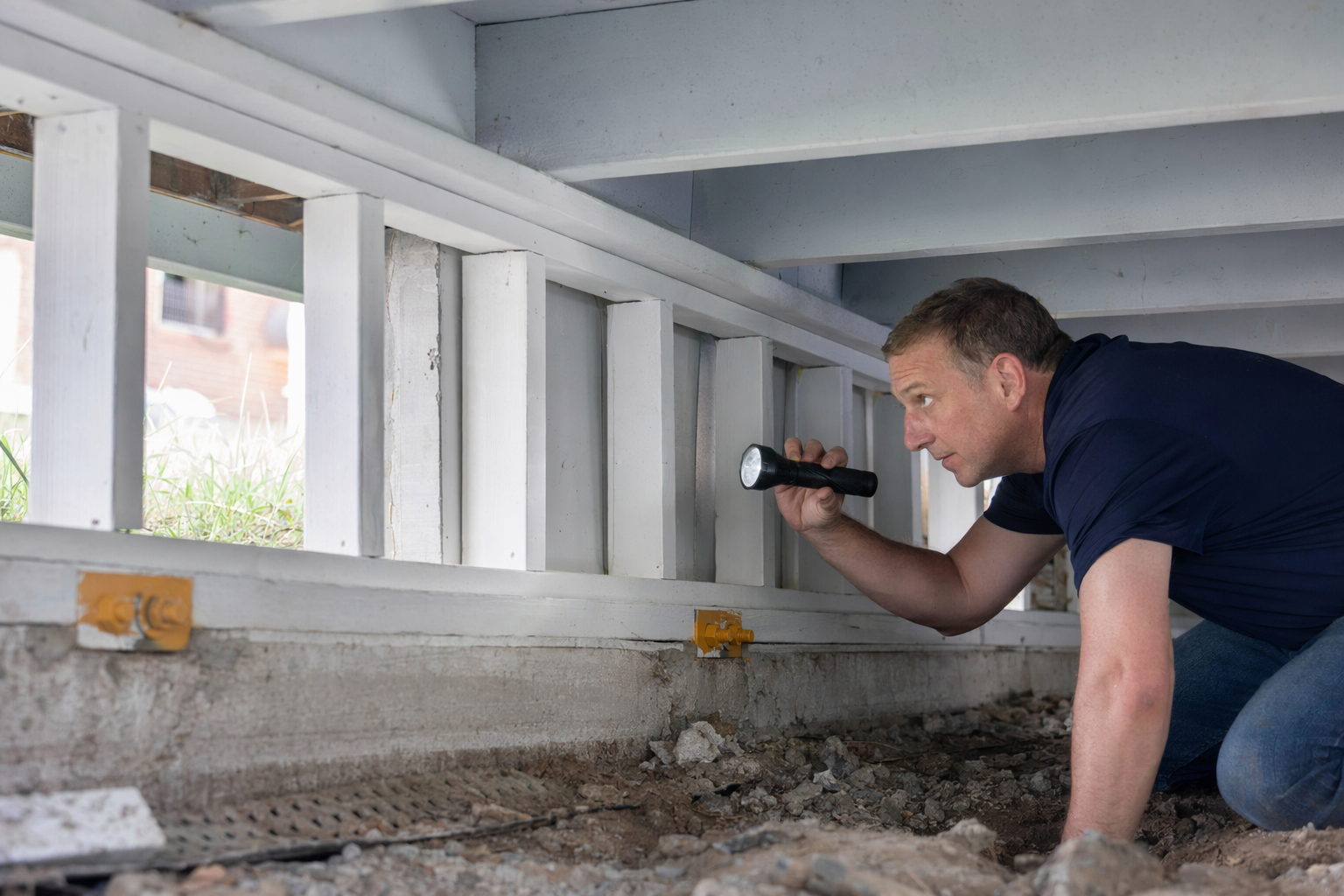
Why mobile homes can be vulnerable during shaking
Mobile homes often sit on piers, blocks, or other supports instead of a full conventional foundation. During earthquake shaking, movement can happen at the connections between the home, the support system, and the ground below.
Older homes may also have weaker bracing, aging anchors, or support parts that were installed under older standards. That does not mean every older home is unsafe. It means the details matter, and a local professional needs to confirm the actual condition.
If the home is on a slope, in soft soil, or has additions like porches or carports attached, those details can also affect how the home moves in shaking. A contractor can explain what is typical in your area and whether any retrofit work is worth considering.

What parts of the home and lot matter most
For many mobile homes, the main questions are about how the home is supported and how it is restrained from shifting. A professional may focus on:
- the piers, blocks, or posts under the home
- tie-downs, anchors, straps, or bracing systems
- skirting access and crawlspace conditions
- the condition of the frame and connection points
- nearby decks, stairs, porches, and carports
- gas, water, and sewer utility connections
The lot itself matters too. Uneven settling, drainage problems, erosion, or soft ground can affect stability. If the home is in a park, some items may be the homeowner's responsibility and some may involve park rules or site conditions, so it helps to ask what is included in any inspection.
If you are not sure what kind of evaluation to ask for, this overview of what an earthquake retrofit inspection is can help you understand the process.
Common warning signs homeowners sometimes notice
Homeowners sometimes notice signs that make them wonder if the home has shifted or if the supports need attention. These signs do not prove an earthquake retrofit is needed, but they are worth mentioning during an on-site visit.
Common examples include:
- doors or windows that suddenly stick more than before
- sloping or bouncy floors
- visible leaning or movement in piers or blocks
- loose or rusted straps, anchors, or metal connectors
- cracks around skirting, stairs, porches, or attached structures
- utility lines that look strained, bent, or poorly supported
Some of these issues can come from normal aging, moisture, settling, or past repairs. If you have already had work done before, it can also help to review how often to check your home's retrofit so you know when follow-up inspections may make sense.
What an on-site contractor or engineer may look at
A licensed contractor or engineer will usually want to see the home in person before giving reliable advice. They may look under the home, check access, photograph connections, and note whether the support system appears complete and in serviceable condition.
They may also review:
- the type and spacing of supports
- whether anchors or bracing appear present and properly connected
- signs of corrosion, wood decay, impact damage, or past movement
- how stairs, decks, and other additions connect to the home
- whether utility hookups need attention for movement or safety
If needed, they may recommend repairs, a retrofit, or a separate engineering review. BedrockMatch does not inspect homes or decide what work is needed. Your role is to ask questions, compare opinions, and get the proposed scope in writing.
Possible retrofit options you can ask about
The right solution depends on the home's age, support type, site conditions, and local requirements. After an on-site assessment, a contractor or engineer may talk with you about options such as improved anchoring, bracing, connector upgrades, support repairs, or work related to attached stairs, porches, or utilities.
In some cases, homeowners also ask about replacing damaged supports, correcting past installation problems, or improving access so future inspections are easier. Not every home needs the same work, and some homes may need repairs before any seismic upgrade is considered.
If cost is a concern, ask whether there are local or state programs that might help. In some areas, homeowners may be able to check whether they qualify for programs such as California's Earthquake Brace + Bolt grant or FEMA-related hazard mitigation assistance, depending on the property and project.
Costs, permits, and how to compare bids
Costs vary widely based on the home's size, support condition, access under the home, soil or slope issues, and whether utility or attached-structure work is included. For that reason, any price you hear online is only a typical illustrative range, not a quote for your home.
When you compare bids, ask each contractor to list the same basic items in writing:
- what they found during the site visit
- exactly what work is included and excluded
- whether permits or engineering are required
- who handles inspections and scheduling
- the estimated timeline and payment schedule
- warranty terms, if any
Some projects need permits, and some may also need engineering or park approval. Requirements depend on where the home is located. A local licensed contractor can explain the usual process, but you should still verify the scope, price, and permit responsibility in writing before signing.
How to choose a qualified local retrofit contractor
Start with contractors who regularly work on mobile homes or manufactured homes in your area, not just general home repair. Experience with local soil, permit offices, park rules, and common support systems can make communication easier and bids more comparable.
Before hiring anyone, homeowners should:
- verify the contractor's license, bond, and insurance themselves
- ask whether they have done similar retrofit or support work locally
- request a written scope, price, and payment terms
- ask who will pull permits if permits are needed
- confirm what happens if hidden damage is found during the job
You stay in control of who you hire and whether you move forward. If you want to compare vetted local companies, you can get matched, free or browse more homeowner questions in the help center.
Always verify a contractor's license, bond, and insurance, and confirm the scope and price in writing before any work starts.