What is an earthquake retrofit inspection?
An earthquake retrofit inspection is a visit to look at how your house is connected to its foundation and where it may be vulnerable in shaking. It is not a promise that work is needed or that a home will perform a certain way. A licensed contractor or engineer has to confirm that after seeing the property in person.
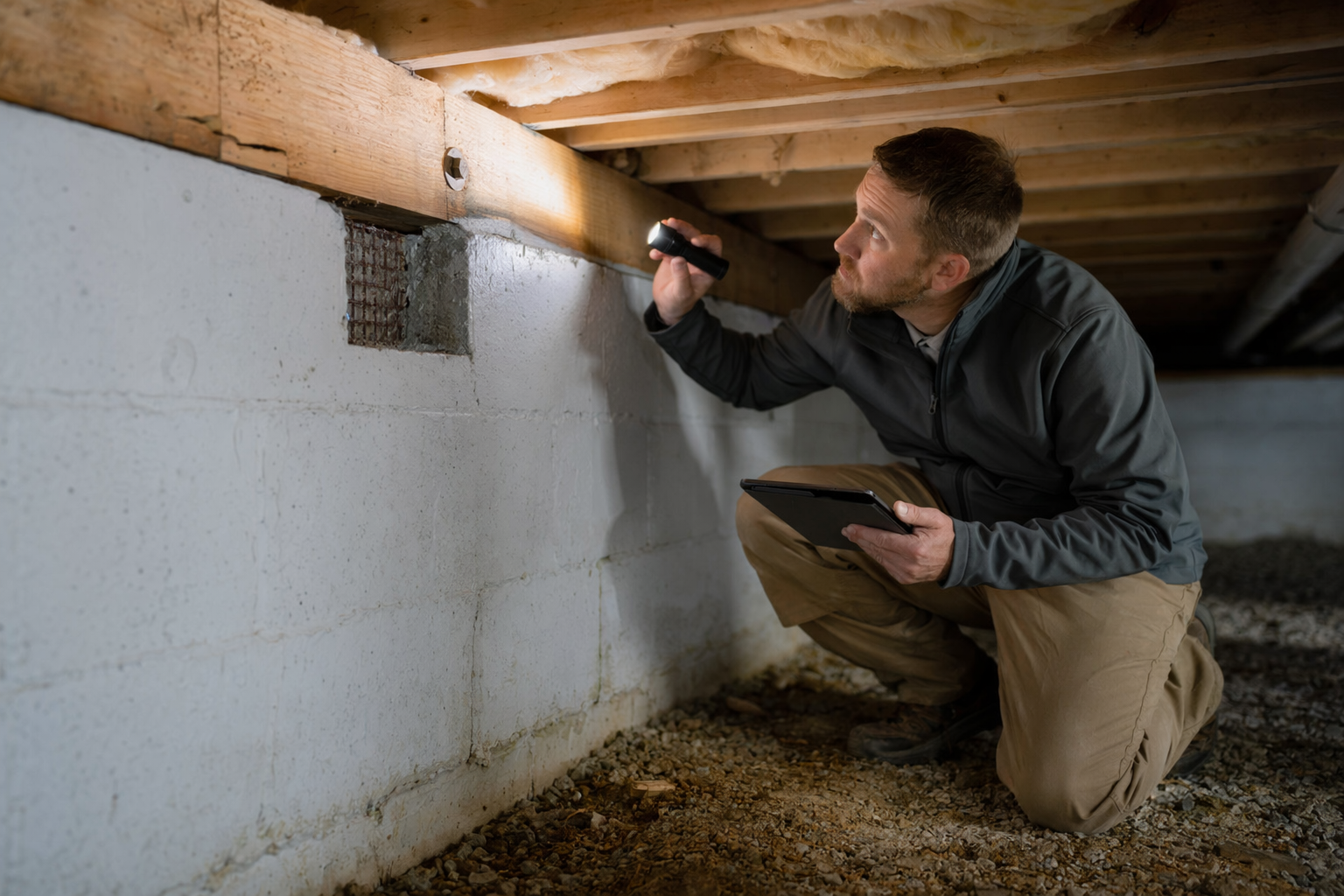
What an earthquake retrofit inspection means
An earthquake retrofit inspection is usually a first step for a homeowner who wants to understand whether older parts of a house may benefit from seismic improvements. The visit is meant to identify visible conditions, explain possible weak points, and help you decide whether to ask for a repair or retrofit estimate.
For many homes, the focus is on the foundation area, crawl space, basement, cripple walls, anchor bolts, and other connections that help the house stay attached to the foundation during shaking. A contractor may talk about common upgrade categories such as bracing or foundation bolting, but only an on-site assessment can show what applies to your home.
This kind of inspection is different from a city code inspection, a real-estate home inspection, or a structural engineering report. It is usually a practical evaluation of visible conditions. If the situation is complex, you may be told to ask a licensed engineer for further review.

What the inspector or contractor usually looks at
During the visit, the inspector or retrofit contractor often starts with the age and type of home, then checks places where seismic weaknesses commonly appear. They may take photos, measurements, and notes so they can prepare recommendations later.
Typical items they may look at include:
- whether the house appears to be bolted to the foundation
- the condition and height of any cripple walls in a crawl space
- visible wood damage, moisture, or pest issues that could affect repair work
- access to the crawl space or basement
- the type of foundation and whether there are cracks or unusual settlement signs
- attached features such as porches, steps, or garages that may need separate review
They may also ask about past repairs, additions, or permits. If you have old plans, photos, or previous reports, it helps to share them. If you are not sure how often to revisit an older retrofit, see how often should I check my home's retrofit.
What you may receive after the visit
After the inspection, you may receive a short written summary, photos, a verbal explanation, or a formal estimate for possible work. Some companies provide a simple checklist, while others give a more detailed proposal with line items and options.
What you receive often includes:
- a description of visible conditions
- recommended work the contractor believes may help
- estimated cost ranges or a fixed bid
- an approximate timeline for scheduling and completion
- notes about permits or engineering if those may be needed
Keep in mind that recommendations can differ from one company to another. That does not always mean one is wrong. Scope can vary based on access, hidden conditions, and the contractor's approach. Ask each company to explain the reason for the work in plain language and to put the scope in writing.
How much an inspection may cost
Inspection pricing varies by region, travel time, and how detailed the review is. Some contractors offer a no-charge initial visit, while others charge a modest fee, especially if the home is far away, has limited access, or needs a more technical assessment.
A typical illustrative range for a basic visit might be about $0 to $300, while a more detailed evaluation or an engineer's site review may cost more. These are not guaranteed prices. The actual amount depends on the property, the professional you hire, and what you ask them to provide afterward.
If retrofit work is recommended, ask whether any public programs may help offset part of the cost. In California, some homeowners may be able to check whether they qualify for the Earthquake Brace + Bolt grant, which can offer up to about $3,000 toward qualifying work. In some areas, FEMA-related mitigation funding may also exist. Availability and eligibility change, so confirm current details before you plan around them.
Questions to ask before you schedule
Before you book an inspection, it helps to understand who is coming, what they will do, and what you will receive. This can save time and make it easier to compare companies fairly.
Ask questions like these:
- Are you a licensed contractor, and can you share your license number?
- Are you bonded and insured?
- Is there a fee for the visit, and if so, how much?
- Will I get a written estimate or only a verbal opinion?
- Do you handle permits if work is needed?
- When would work likely be available if I choose to move forward?
- Should I also speak with a licensed engineer for this home?
You should also ask how long the visit will take and whether someone needs to open the crawl-space access. If you are helping family members who do not own the property, the answer may be different for tenants. See can a renter ask a landlord to retrofit for general guidance.
What happens after the inspection
After the visit, you can review the findings and decide whether to request more than one estimate. You are under no obligation to hire the company that did the inspection unless you separately agree to do so. The homeowner keeps control over the decision, the schedule, and the final contractor choice.
If recommended work seems unclear, ask the contractor to show you photos and explain each item. For example, they can point to where bolts are missing or where bracing may be discussed. If the house has unusual conditions, ask whether a licensed engineer should review the plans before work starts.
If you want introductions to local retrofit contractors, you can get matched, free. BedrockMatch is a flat-fee matching service for contractors, not a contractor or engineer. Always verify license, bond, and insurance yourself, and confirm scope, permits, and price in writing before you sign anything.
How to compare estimates and next steps
When you compare estimates, look beyond the total price. Two bids can be very different if one includes permits, plywood bracing, hardware, debris cleanup, or repairs to damage found in the crawl space and the other does not.
A simple way to compare bids is to check:
- the exact work listed
- whether permit handling is included
- materials and hardware mentioned
- start and finish timing
- payment schedule
- warranty language, if any
If one estimate is much lower, ask what is excluded. If one is much higher, ask what extra work they believe is needed and why. If you are still early in your research, the broader help center can guide you on what to ask next. The most useful step is to get clear written scopes, then choose the contractor you trust after checking credentials and understanding the plan.
Always verify a contractor's license, bond, and insurance, and confirm the scope and price in writing before any work starts.